THE ADVENTURE COLLECTIVE® · Independent discovery and booking for outdoor travel

From Sedona’s sunrise to Page’s sculpted sandstone, this full-day trip links Horseshoe Bend’s sweeping river arc with the intimate glow of Lower Antelope Canyon. Guided on Navajo land with photo-savvy tips and time on the rim, it’s a high-desert classic balanced with practical comforts.
From Sedona’s sunrise to Page’s sculpted sandstone, this full-day trip links Horseshoe Bend’s sweeping river arc with the intimate glow of Lower Antelope Canyon. Guided on Navajo land with photo-savvy tips and time on the rim, it’s a high-desert classic balanced with practical comforts.
Dawn shakes the red rocks of Sedona awake as the van turns north, slipping past ponderosa pines and up onto the high desert. By the time the San Francisco Peaks fade in the mirrors, the road is aiming through Navajo Nation toward Page. The landscape opens its hand—painted badlands, stone bluffs, and a river that has been carving its argument with time. Horseshoe Bend appears first, a short, sandy walk leading to a cliff-edge balcony where the Colorado River loops in a confident arc, slow and green, daring you to lean into the view. The bend pushes forward, a living contour line at the scale of a city, and every camera on the rim answers.
Verified experiences and guided adventures in the surrounding area.
Operated by Great West Tours · Page, Arizona
Dawn shakes the red rocks of Sedona awake as the van turns north, slipping past ponderosa pines and up onto the high desert. By the time the San Francisco Peaks fade in the mirrors, the road is aiming through Navajo Nation toward Page. The landscape opens its hand—painted badlands, stone bluffs, and a river that has been carving its argument with time. Horseshoe Bend appears first, a short, sandy walk leading to a cliff-edge balcony where the Colorado River loops in a confident arc, slow and green, daring you to lean into the view. The bend pushes forward, a living contour line at the scale of a city, and every camera on the rim answers.
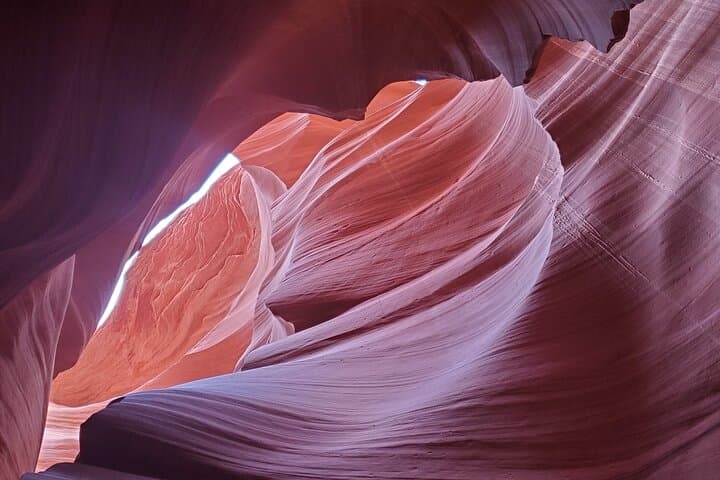
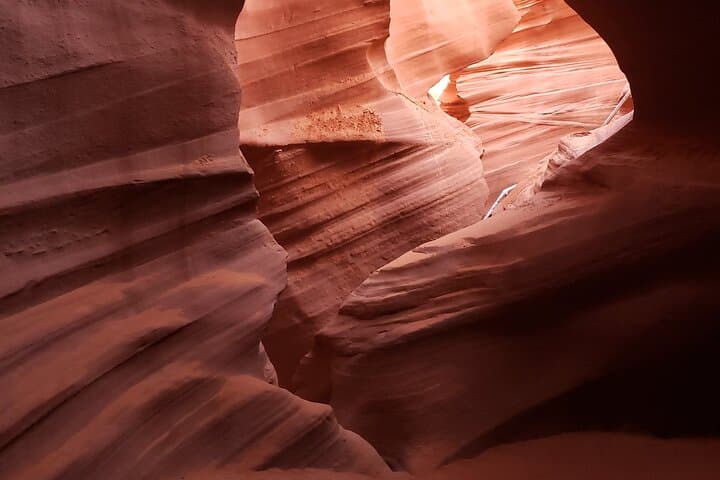
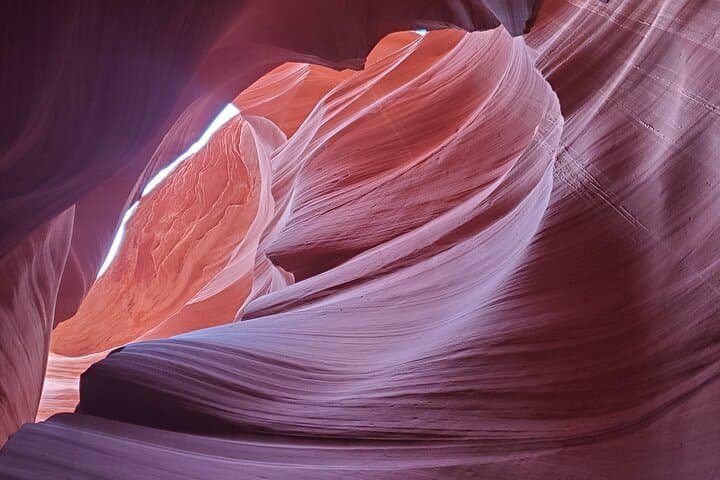
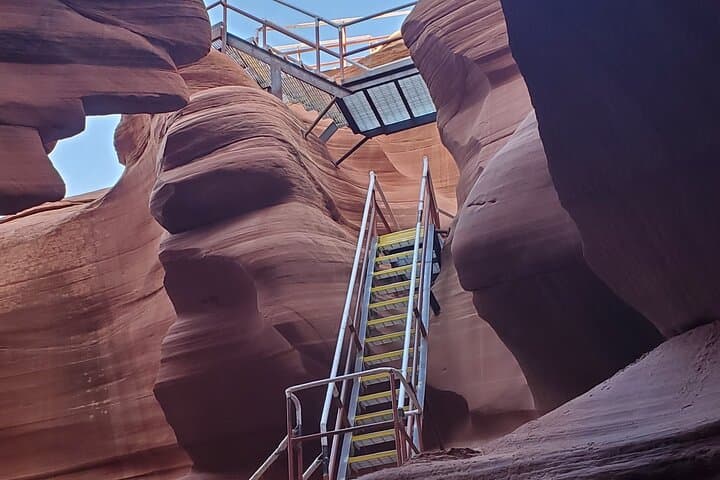
Then comes the main act. Lower Antelope Canyon—Hazdistazí—tightens around you, its sandstone walls breathing with light. A Navajo guide leads the way, weaving geology and story, pointing out where floods once rushed and where the rock folds accept the sun. Ladders ask your calves to commit; narrow switchbacks test your balance. It’s just about a mile, but the canyon’s curves stretch time. Here the light changes by the minute: apricot, ember, then a sudden wash of violet where the rock turns away from the sun. Your guide offers framing tips—shoot up to catch the swirling ceiling, go wide to pull the contours into one plane—and keeps the group moving so the canyon stays serene.
This is sandstone born from ancient dunes—Navajo Sandstone, compacted and cross-bedded, then carved by flash floods that still rule this place. On Navajo land, entry is guided and permitted by design, a balance between sharing a wonder and keeping it whole. Lunch in Page resets the day, and a quick stop at Glen Canyon Dam underlines what the river can do when it’s asked to pause.
Practicalities matter in the desert. Expect 11–12 hours door-to-door from Sedona, with 60–90 minutes inside Lower Antelope and about an hour for Horseshoe Bend. Surfaces are sandy and uneven; the canyon includes metal stairs and narrow corridors. Spring and fall bring kinder temperatures; summer heat requires discipline with water and sun. Winter light is low and clean, the crowds thinning with the chill. Pack closed-toe shoes with traction, a brim for the sun, and patience for the road—this is a full-value day that earns every mile.
moderate.
11–12 hours (with 60–90 minutes on foot).
Comfortably walk 1–2 miles on sand and uneven surfaces and climb several stair-ladders without assistance.
Plan on about 1 mile in Lower Antelope Canyon with ladders and uneven footing, plus roughly 1.5 miles round-trip on a sandy, gently rolling trail to Horseshoe Bend.
Yes. Entry to Lower Antelope Canyon is on Navajo Nation and requires a guided tour; permits and guiding are arranged by the operator.
Lower Antelope often glows best late morning to early afternoon, while Horseshoe Bend shines at sunrise or late afternoon when shadows soften the canyon walls.
Children must typically be 6+; Arizona law requires car seats/boosters for kids 8 and under. Guests must be ambulatory, able to climb stairs and navigate narrow spaces.
The third‑party canyon provider does not allow service animals and restricts bag sizes; check current rules before packing.
Hotel pickup in Sedona/Village of Oak Creek (within city limits), transportation, bottled water, lunch in Page, Horseshoe Bend overlook, Lower Antelope Canyon guided hike, and a Glen Canyon Dam stop.
Lower Antelope Canyon sits on Navajo Nation; guided access supports local stewardship and preserves sensitive terrain. Glen Canyon Dam, completed in the 1960s, created Lake Powell and reshaped water management in the Southwest.
Stay on designated paths and follow guide direction—slot canyon walls are fragile. Pack out all trash and avoid disturbing cryptobiotic soils that hold desert slopes together.
Great West Tours operates guided outdoor trips and adventures with an emphasis on safety, stewardship, and memorable experiences.
Dawn shakes the red rocks of Sedona awake as the van turns north, slipping past ponderosa pines and up onto the high desert. By the time the San Francisco Peaks fade in the mirrors, the road is aiming through Navajo Nation toward Page. The landscape opens its hand—painted badlands, stone bluffs, and a river that has been carving its argument with time. Horseshoe Bend appears first, a short, sandy walk leading to a cliff-edge balcony where the Colorado River loops in a confident arc, slow and green, daring you to lean into the view. The bend pushes forward, a living contour line at the scale of a city, and every camera on the rim answers.
Dawn shakes the red rocks of Sedona awake as the van turns north, slipping past ponderosa pines and up onto the high desert. By the time the San Francisco Peaks fade in the mirrors, the road is aiming through Navajo Nation toward Page. The landscape opens its hand—painted badlands, stone bluffs, and a river that has been carving its argument with time. Horseshoe Bend appears first, a short, sandy walk leading to a cliff-edge balcony where the Colorado River loops in a confident arc, slow and green, daring you to lean into the view. The bend pushes forward, a living contour line at the scale of a city, and every camera on the rim answers.
Then comes the main act. Lower Antelope Canyon—Hazdistazí—tightens around you, its sandstone walls breathing with light. A Navajo guide leads the way, weaving geology and story, pointing out where floods once rushed and where the rock folds accept the sun. Ladders ask your calves to commit; narrow switchbacks test your balance. It’s just about a mile, but the canyon’s curves stretch time. Here the light changes by the minute: apricot, ember, then a sudden wash of violet where the rock turns away from the sun. Your guide offers framing tips—shoot up to catch the swirling ceiling, go wide to pull the contours into one plane—and keeps the group moving so the canyon stays serene.
This is sandstone born from ancient dunes—Navajo Sandstone, compacted and cross-bedded, then carved by flash floods that still rule this place. On Navajo land, entry is guided and permitted by design, a balance between sharing a wonder and keeping it whole. Lunch in Page resets the day, and a quick stop at Glen Canyon Dam underlines what the river can do when it’s asked to pause.
Practicalities matter in the desert. Expect 11–12 hours door-to-door from Sedona, with 60–90 minutes inside Lower Antelope and about an hour for Horseshoe Bend. Surfaces are sandy and uneven; the canyon includes metal stairs and narrow corridors. Spring and fall bring kinder temperatures; summer heat requires discipline with water and sun. Winter light is low and clean, the crowds thinning with the chill. Pack closed-toe shoes with traction, a brim for the sun, and patience for the road—this is a full-value day that earns every mile.