THE ADVENTURE COLLECTIVE® · Independent discovery and booking for outdoor travel

Walk Charleston’s colonial streets from the Laurens/Rutledge house to the Battery on this 90‑minute private history stroll. Learn city planning, Civil War sites, and the food culture that grew from Lowcountry life.
Walk Charleston’s colonial streets from the Laurens/Rutledge house to the Battery on this 90‑minute private history stroll. Learn city planning, Civil War sites, and the food culture that grew from Lowcountry life.
A morning on Broad Street begins with the low hum of trolley bells and the salt air brushing against sandstone porches. You step onto the front steps of the Laurens/Rutledge mansion at Broad and Orange, and the city’s past unfolds in measured blocks — brick sidewalks, iron gates, and narrow lanes that force you to lower your pace and raise your attention.
Verified experiences and guided adventures in the surrounding area.
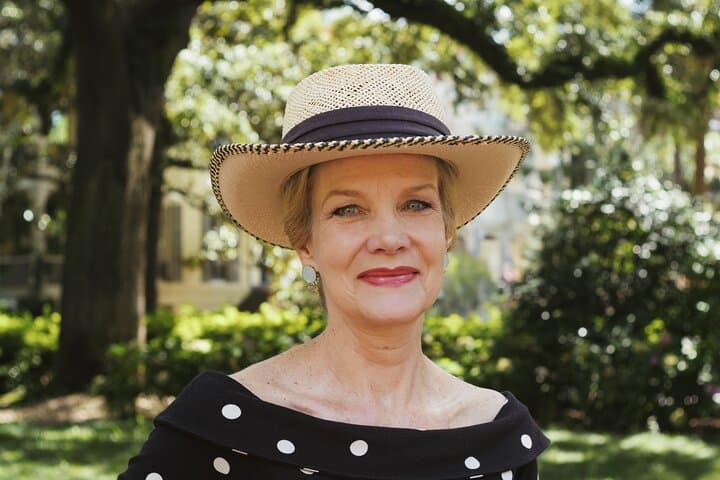
Operated by Karen McDaniel · Charleston, South Carolina
A morning on Broad Street begins with the low hum of trolley bells and the salt air brushing against sandstone porches. You step onto the front steps of the Laurens/Rutledge mansion at Broad and Orange, and the city’s past unfolds in measured blocks — brick sidewalks, iron gates, and narrow lanes that force you to lower your pace and raise your attention.
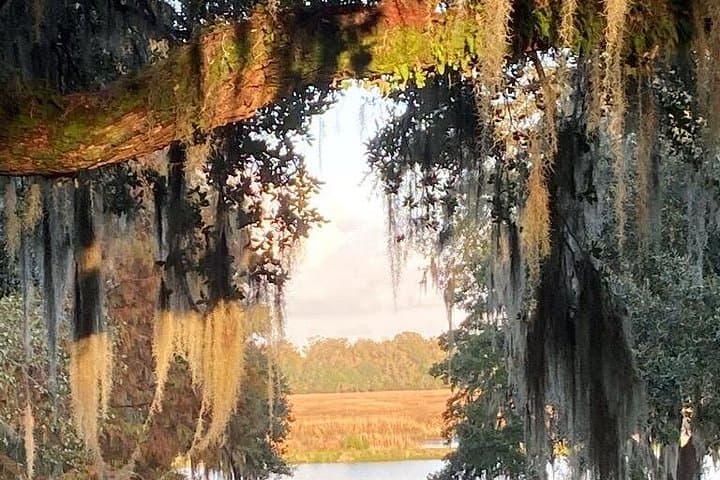
Charleston’s story is visible in its architecture and shoreline: 17th‑century colonial planning by the Lord Proprietors, Georgian townhouses that survived yellow fever epidemics, and the High Battery where coastal defenses and Civil War skirmishes shaped national history. Geologically, the peninsula is built on marsh and ship‑deposited sediments; its low elevation explains the city’s layered relationship with tides and hurricanes.
Culturally the tour ties hospitality, Gullah influences, and the city’s food culture into place — expect references to plantations, slavery’s labor legacy, and how local cuisine emerged from this history. Guides move between factual narration and pointed local recommendations, sending you off with places to eat and quiet alleys to explore.
Practical guidance: the stroll lasts about 90 minutes and covers mostly paved sidewalks with some uneven brick and short staircases. Bring water, sun protection, and a lightweight rain layer; comfortable closed‑toe shoes are recommended. Morning or late afternoon slots reduce heat exposure and offer better light for photography. Be ready to stand, walk at a moderate pace, and ask questions — this tour is designed to be conversational and private, ideal for first‑time visitors who want context before exploring independently.
easy.
1–2 hours.
Suitable for most fitness levels; requires standing and walking about 1–2 miles on paved/brick surfaces.
The private stroll is 90 minutes and typically covers 1–1.5 miles at an easy, conversational pace across paved streets and short stair sections.
Parts of the route include narrow sidewalks and occasional steps; infants and small children in strollers are accommodated, but full wheelchair access may be limited—check with the operator before booking.
Admission to restaurants is not included; the guide will recommend local dining options and may point out places to sample Lowcountry cuisine afterward.
You can receive a full refund if you cancel at least 24 hours before the scheduled departure time; cancellations within 24 hours are not refundable.
Charleston was laid out by the Lord Proprietors in the 17th century and later became a flashpoint in both colonial commerce and the Civil War; plantation economies and enslaved labor profoundly shaped the city’s built and culinary culture.
The Historic District is protected by strict preservation rules and ongoing efforts to manage sea‑level rise; visitors should stick to sidewalks and avoid disturbing marsh edges to support local conservation.
Karen McDaniel operates guided outdoor trips and adventures with an emphasis on safety, stewardship, and memorable experiences.
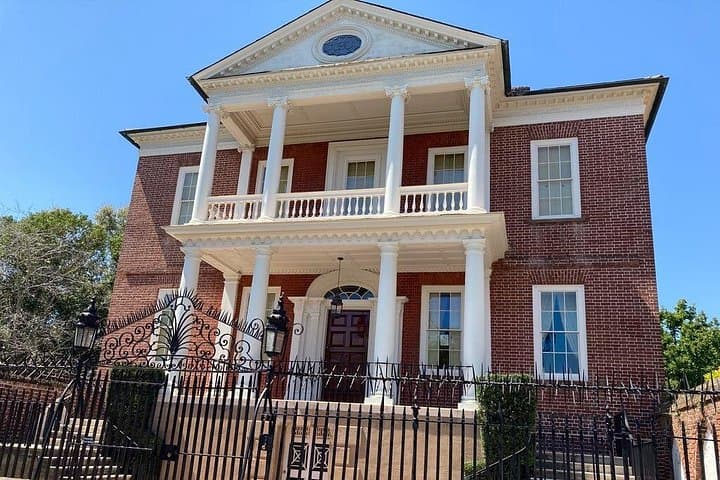
A morning on Broad Street begins with the low hum of trolley bells and the salt air brushing against sandstone porches. You step onto the front steps of the Laurens/Rutledge mansion at Broad and Orange, and the city’s past unfolds in measured blocks — brick sidewalks, iron gates, and narrow lanes that force you to lower your pace and raise your attention.
A morning on Broad Street begins with the low hum of trolley bells and the salt air brushing against sandstone porches. You step onto the front steps of the Laurens/Rutledge mansion at Broad and Orange, and the city’s past unfolds in measured blocks — brick sidewalks, iron gates, and narrow lanes that force you to lower your pace and raise your attention.
Charleston’s story is visible in its architecture and shoreline: 17th‑century colonial planning by the Lord Proprietors, Georgian townhouses that survived yellow fever epidemics, and the High Battery where coastal defenses and Civil War skirmishes shaped national history. Geologically, the peninsula is built on marsh and ship‑deposited sediments; its low elevation explains the city’s layered relationship with tides and hurricanes.
Culturally the tour ties hospitality, Gullah influences, and the city’s food culture into place — expect references to plantations, slavery’s labor legacy, and how local cuisine emerged from this history. Guides move between factual narration and pointed local recommendations, sending you off with places to eat and quiet alleys to explore.
Practical guidance: the stroll lasts about 90 minutes and covers mostly paved sidewalks with some uneven brick and short staircases. Bring water, sun protection, and a lightweight rain layer; comfortable closed‑toe shoes are recommended. Morning or late afternoon slots reduce heat exposure and offer better light for photography. Be ready to stand, walk at a moderate pace, and ask questions — this tour is designed to be conversational and private, ideal for first‑time visitors who want context before exploring independently.