THE ADVENTURE COLLECTIVE® · Independent discovery and booking for outdoor travel

Enter the Louvre through the iconic glass pyramid and move from Egyptian relics to Renaissance masterpieces armed with an audio guide. This practical guide helps you plan timing, accessibility, and how to get the most from a 1–3 hour visit.
Enter the Louvre through the iconic glass pyramid and move from Egyptian relics to Renaissance masterpieces armed with an audio guide. This practical guide helps you plan timing, accessibility, and how to get the most from a 1–3 hour visit.
You arrive under the glass pyramid as morning light fractures across stone steps and voices blend into a low hum. Security lines move with practiced precision; the pyramid stands as both gate and promise. Inside, galleries open like chapters — cool marble halls that hold the Mona Lisa’s guarded smile and the Winged Victory striding toward the light.
Verified experiences and guided adventures in the surrounding area.
Operated by The Trip Hub · Paris, Île-de-France
You arrive under the glass pyramid as morning light fractures across stone steps and voices blend into a low hum. Security lines move with practiced precision; the pyramid stands as both gate and promise. Inside, galleries open like chapters — cool marble halls that hold the Mona Lisa’s guarded smile and the Winged Victory striding toward the light.
The building itself began as a 12th-century fortress and evolved into a royal palace before the Revolution transformed it into a public museum in 1793. Collections span Egyptian funerary objects, Greek and Roman sculpture, and Renaissance canvases; the contrast between ancient stone and gilded salon defines Parisian cultural history.
Practical navigation matters: the museum is vast and deliberately arranged, so a plan keeps the day focused. The offered audio file highlights major works and their context — download it before arrival and bring earphones to move through rooms without relying on a guide. Expect crowds around signature pieces; smaller wings (Decorative Arts, Near Eastern Antiquities) reward slower pacing.
Accessibility is strong: elevators and wheelchair access are available, though some historical stairways remain. Tickets here grant access to permanent and temporary exhibitions; check ID rules for free admission (under-18s and eligible EU residents).
Timing, footwear, and light packing change the experience: arrive early or late afternoon to dodge peak flows, leave bulky bags at your hotel, and allow at least 1–3 hours for a meaningful visit. Treat works with care — barriers and lighting protect fragile art, and your respect keeps these objects visible for generations to come.
easy.
1–3 hours.
Suitable for all fitness levels; expect extended walking and some standing
This ticket provides timed entry but does not guarantee a bypass of all security queues; early or late arrival reduces wait times.
An audio guide file is provided with your booking; you must download it to your device and bring earphones to listen.
Yes—elevators and wheelchair-accessible routes are available, and the museum notes wheelchair accessibility for surfaces and transportation nearby.
Free admission applies to visitors under 18 and EEA residents under 26 with valid ID and proof of residency; verify eligibility at entry.
Originally a medieval fortress and later a royal palace, the Louvre was converted into a national museum during the French Revolution and opened to the public in 1793.
Strict display, lighting, and barrier rules protect fragile works; follow staff guidance and avoid flash photography to reduce light damage and preserve artifacts.
The Trip Hub operates guided outdoor trips and adventures with an emphasis on safety, stewardship, and memorable experiences.
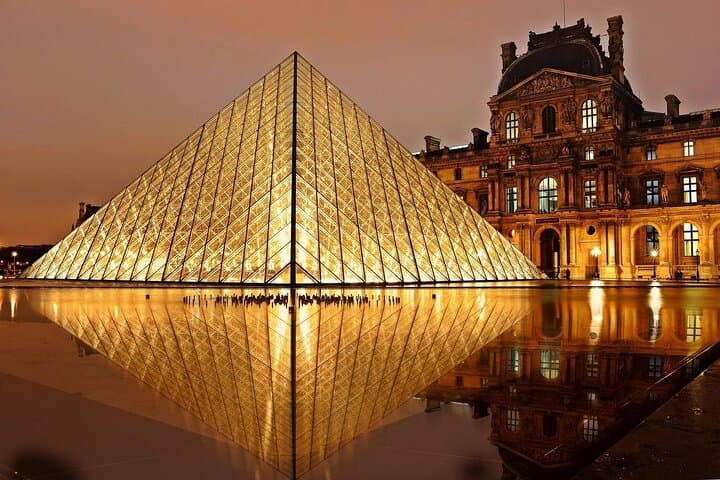
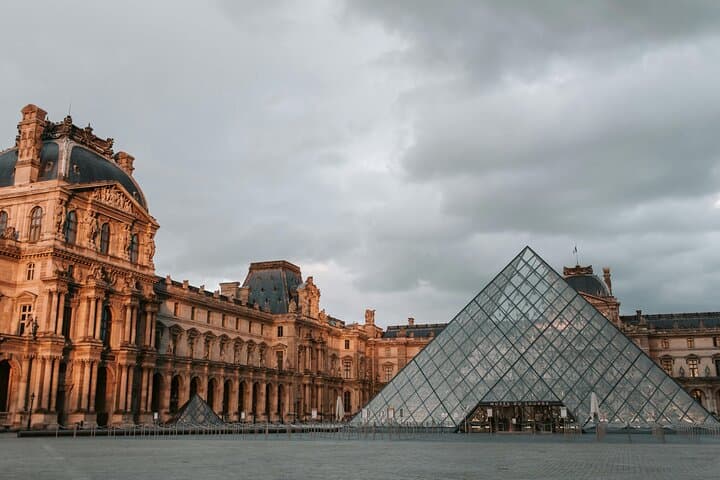
You arrive under the glass pyramid as morning light fractures across stone steps and voices blend into a low hum. Security lines move with practiced precision; the pyramid stands as both gate and promise. Inside, galleries open like chapters — cool marble halls that hold the Mona Lisa’s guarded smile and the Winged Victory striding toward the light.
You arrive under the glass pyramid as morning light fractures across stone steps and voices blend into a low hum. Security lines move with practiced precision; the pyramid stands as both gate and promise. Inside, galleries open like chapters — cool marble halls that hold the Mona Lisa’s guarded smile and the Winged Victory striding toward the light.
The building itself began as a 12th-century fortress and evolved into a royal palace before the Revolution transformed it into a public museum in 1793. Collections span Egyptian funerary objects, Greek and Roman sculpture, and Renaissance canvases; the contrast between ancient stone and gilded salon defines Parisian cultural history.
Practical navigation matters: the museum is vast and deliberately arranged, so a plan keeps the day focused. The offered audio file highlights major works and their context — download it before arrival and bring earphones to move through rooms without relying on a guide. Expect crowds around signature pieces; smaller wings (Decorative Arts, Near Eastern Antiquities) reward slower pacing.
Accessibility is strong: elevators and wheelchair access are available, though some historical stairways remain. Tickets here grant access to permanent and temporary exhibitions; check ID rules for free admission (under-18s and eligible EU residents).
Timing, footwear, and light packing change the experience: arrive early or late afternoon to dodge peak flows, leave bulky bags at your hotel, and allow at least 1–3 hours for a meaningful visit. Treat works with care — barriers and lighting protect fragile art, and your respect keeps these objects visible for generations to come.