THE ADVENTURE COLLECTIVE® · Independent discovery and booking for outdoor travel

Glide past the pyramid and into centuries of art on this focused Louvre highlights tour. See the Mona Lisa, Winged Victory, and other masterpieces with an expert guide and practical tips for navigating crowds.
Glide past the pyramid and into centuries of art on this focused Louvre highlights tour. See the Mona Lisa, Winged Victory, and other masterpieces with an expert guide and practical tips for navigating crowds.
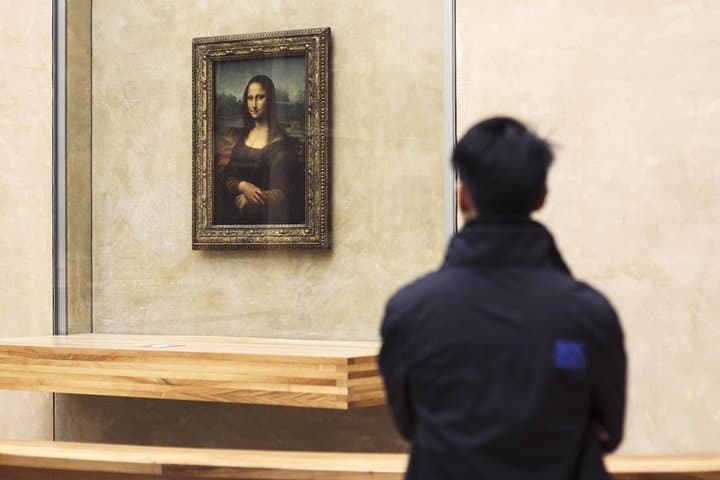
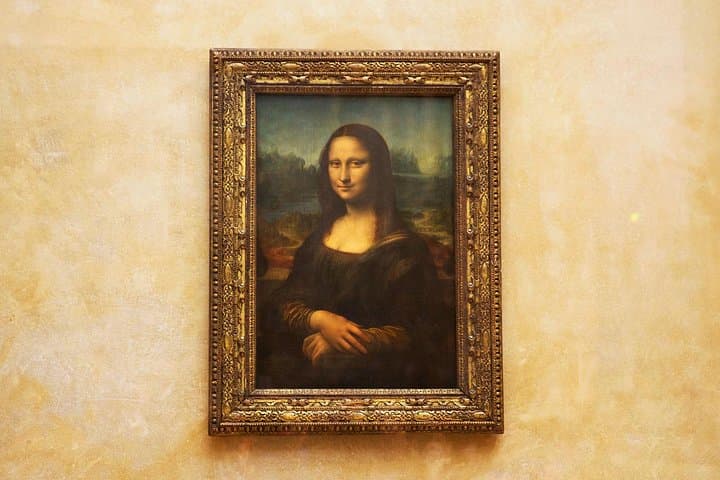
Step through the Louvre's glass pyramid and the room exhales history—stone corridors that once housed kings now cradle da Vinci’s famously enigmatic smile.
Verified experiences and guided adventures in the surrounding area.
Operated by Walks - France · Paris, Île-de-France
Step through the Louvre's glass pyramid and the room exhales history—stone corridors that once housed kings now cradle da Vinci’s famously enigmatic smile.
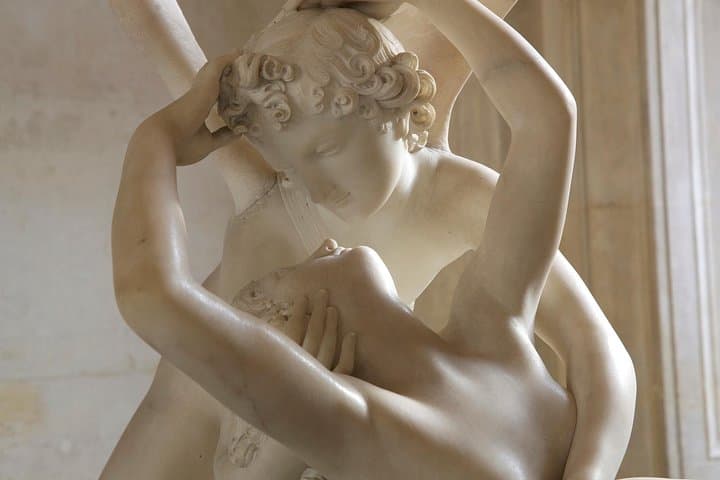
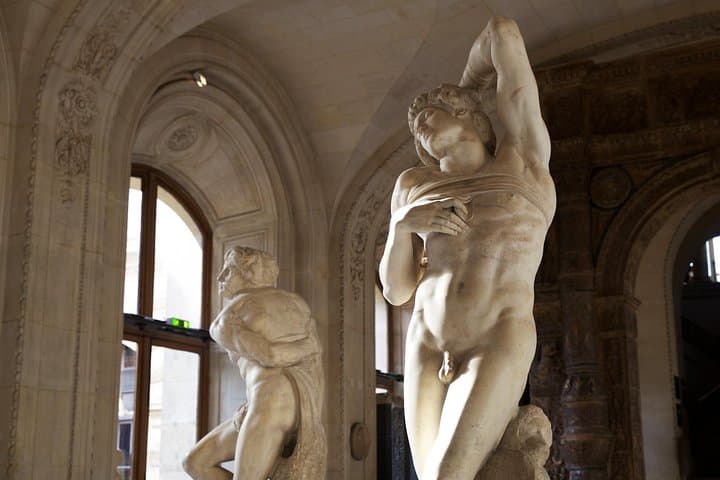
This express, guided walk threads you through rooms where marble figures and oil on canvas vie for attention. Your guide unpacks the backstories: the medieval fortress origins of the building, its transformation into a royal palace under the Valois and Bourbons, and the museum’s birth after the Revolution in 1793. Sculptures like the Winged Victory of Samothrace and monumental canvases such as Géricault’s Raft of the Medusa move from static object to dramatic character in the guide’s narration.
Geologically there’s less to read in the walls than in the stone—Lutetian limestone gives the palace its warm color—while culturally the museum maps France’s art ambitions and colonial-era collecting practices, topics your guide will likely touch on.
Practically: this is a walking tour at a moderate pace covering key wings and galleries in roughly 2–3 hours. Expect tight galleries, brief stops at headline works, and a headset to hear commentary over the crowd. The tour includes skip-the-line admission but not private slow study time; consider the “closing time” option if you want fewer people and a longer stay.
Bring comfortable shoes, a charged phone for photos, and a bit of patience for queues near the Mona Lisa. Plan post-tour time in the Tuileries Garden or along the Seine to let the art settle and to compare notes with fellow visitors.
easy.
2–3 hours.
Suitable for most fitness levels; requires standing and walking at a steady pace for up to three hours.
Yes—the tour includes a skip-the-line ticket for timed entry, though you will still pass through standard security screening.
The tour is rated easy and suitable for most ages, but it requires walking and standing; it’s not suitable for guests who use wheelchairs or have significant mobility limitations.
Photography without flash is generally allowed in most galleries, but restrictions apply in certain rooms—follow your guide’s instructions and signage.
Areas visited can change; guides will modify the itinerary as needed and may substitute nearby highlights when galleries are closed.
Originally a 12th-century fortress, the Louvre became a royal palace before opening as a public museum in 1793; its collections reflect centuries of European art patronage and collecting.
The Louvre uses strict climate control, restricted handling, and ongoing restoration labs to protect works; visitors are encouraged to avoid touching art and to follow photography rules to limit light exposure.
Walks - France operates guided outdoor trips and adventures with an emphasis on safety, stewardship, and memorable experiences.
Step through the Louvre's glass pyramid and the room exhales history—stone corridors that once housed kings now cradle da Vinci’s famously enigmatic smile.
Step through the Louvre's glass pyramid and the room exhales history—stone corridors that once housed kings now cradle da Vinci’s famously enigmatic smile.
This express, guided walk threads you through rooms where marble figures and oil on canvas vie for attention. Your guide unpacks the backstories: the medieval fortress origins of the building, its transformation into a royal palace under the Valois and Bourbons, and the museum’s birth after the Revolution in 1793. Sculptures like the Winged Victory of Samothrace and monumental canvases such as Géricault’s Raft of the Medusa move from static object to dramatic character in the guide’s narration.
Geologically there’s less to read in the walls than in the stone—Lutetian limestone gives the palace its warm color—while culturally the museum maps France’s art ambitions and colonial-era collecting practices, topics your guide will likely touch on.
Practically: this is a walking tour at a moderate pace covering key wings and galleries in roughly 2–3 hours. Expect tight galleries, brief stops at headline works, and a headset to hear commentary over the crowd. The tour includes skip-the-line admission but not private slow study time; consider the “closing time” option if you want fewer people and a longer stay.
Bring comfortable shoes, a charged phone for photos, and a bit of patience for queues near the Mona Lisa. Plan post-tour time in the Tuileries Garden or along the Seine to let the art settle and to compare notes with fellow visitors.