THE ADVENTURE COLLECTIVE® · Independent discovery and booking for outdoor travel

Experience the Louvre Abu Dhabi under its iconic geometric dome: a museum designed to frame global art against a coastal skyline. This guide outlines what to expect inside, where to go first, and practical tips to make the most of a 2–3 hour visit.
Experience the Louvre Abu Dhabi under its iconic geometric dome: a museum designed to frame global art against a coastal skyline. This guide outlines what to expect inside, where to go first, and practical tips to make the most of a 2–3 hour visit.
You step off Saadiyat Island’s boardwalk and under a dome that scatters light like a slow rainfall — a deliberate architecture trick that cools sun-baked glass and carves pools of shade across the plaza. The museum sits like a small city by the sea: galleries, courtyards and reflecting basins opening onto the Arabian Gulf.
Verified experiences and guided adventures in the surrounding area.
Operated by holidayys.com · Abu Dhabi, Abu Dhabi
You step off Saadiyat Island’s boardwalk and under a dome that scatters light like a slow rainfall — a deliberate architecture trick that cools sun-baked glass and carves pools of shade across the plaza. The museum sits like a small city by the sea: galleries, courtyards and reflecting basins opening onto the Arabian Gulf.
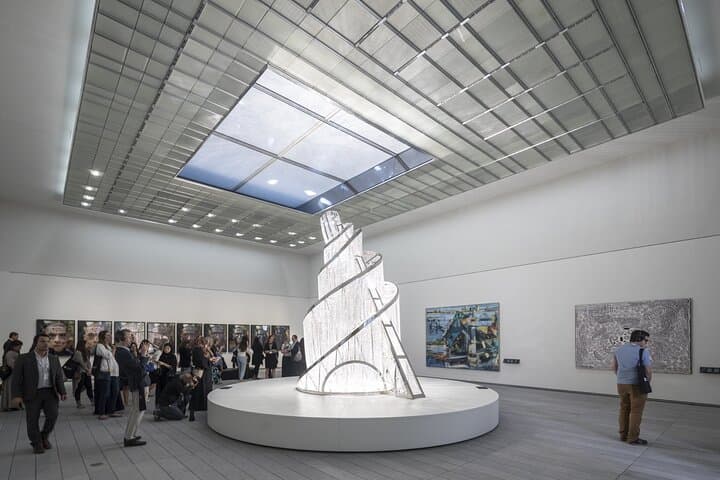
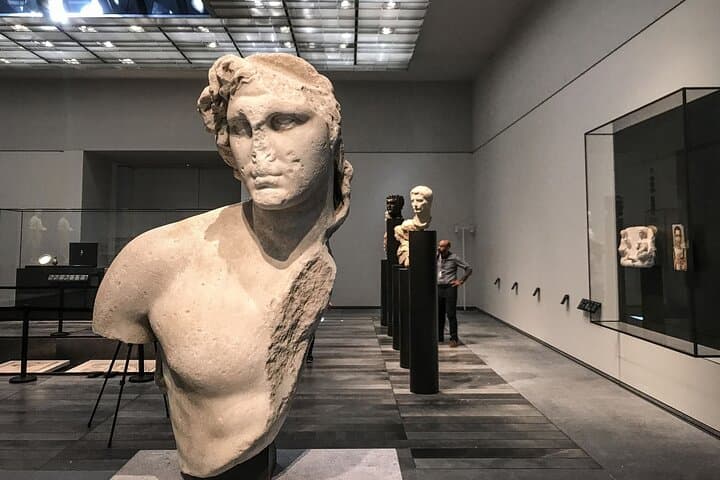
Opened in 2017 and designed by Jean Nouvel, the Louvre Abu Dhabi is the product of a long cultural partnership with the Musée du Louvre in Paris. Its collections are organized across broad departments — from ancient Egyptian and Roman objects to Islamic art and contemporary works — arranged to emphasize connections across time and place rather than a single national narrative.
Geologically the setting is reclaimed coastal plain; the museum’s shallow water features and boardwalks bring the maritime landscape into the visit. Culturally, the galleries reflect Abu Dhabi’s ambition to build a global cultural district on Saadiyat Island, with rotating loans and special exhibitions that reward repeat visits.
Practicalities: tickets are mobile and you’ll pass a standard security check on entry. Plan 2–3 hours; quiet mornings or late afternoons reduce crowds and let the dome’s light show read differently. The site is wheelchair accessible and served by taxis and public buses — leave bulky backpacks at your hotel and wear comfortable shoes for gallery floors and outdoor walks.
For a focused visit, pick two departments ahead of time, use an audio guide if offered, and step outside between galleries to let the sea breeze reset your perspective. The museum is both an architectural experience and a compact survey of world art — straightforward to navigate if you plan a measured route.
easy.
2–3 hours.
Suitable for all fitness levels; requires moderate walking and standing.
Most visitors allow 2–3 hours to see the highlights; allocate more time for special exhibitions or a relaxed pace.
Mobile tickets are typically for a chosen day and entry window—check your booking for time restrictions and arrive early for security checks.
Yes, the main museum spaces and entrances are wheelchair accessible; contact the museum for details on specific temporary exhibits or assistance services.
Non-flash photography for personal use is generally permitted in permanent galleries, but check signage for restricted exhibits and commercial photography rules.
The museum opened in 2017 as part of a loan and cooperation agreement with the Musée du Louvre in Paris, bringing rotating loans and shared curatorial programs to Abu Dhabi.
The dome’s layered geometry reduces solar gain and creates shaded microclimates; visitors are encouraged to follow low-impact practices like using refill stations and disposing of waste responsibly.
holidayys.com operates guided outdoor trips and adventures with an emphasis on safety, stewardship, and memorable experiences.
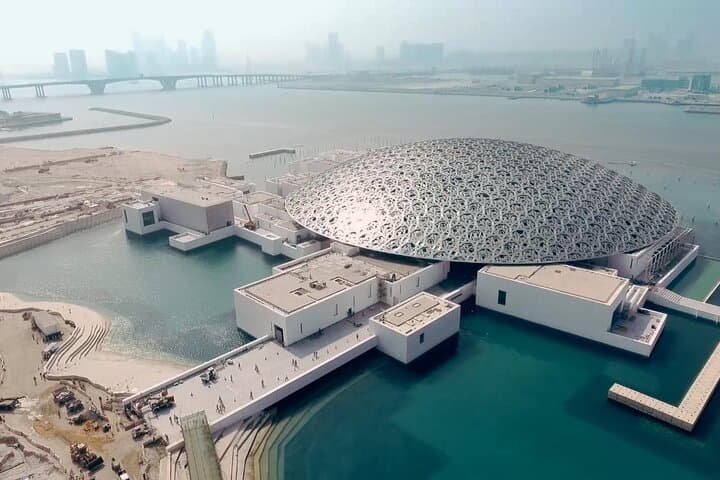
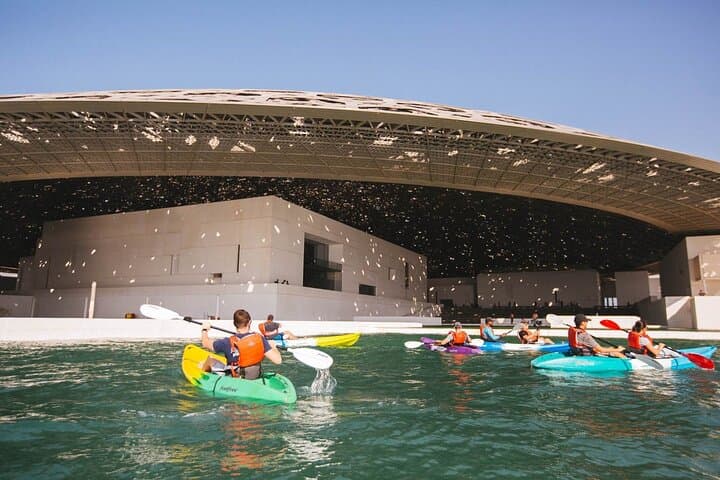
You step off Saadiyat Island’s boardwalk and under a dome that scatters light like a slow rainfall — a deliberate architecture trick that cools sun-baked glass and carves pools of shade across the plaza. The museum sits like a small city by the sea: galleries, courtyards and reflecting basins opening onto the Arabian Gulf.
You step off Saadiyat Island’s boardwalk and under a dome that scatters light like a slow rainfall — a deliberate architecture trick that cools sun-baked glass and carves pools of shade across the plaza. The museum sits like a small city by the sea: galleries, courtyards and reflecting basins opening onto the Arabian Gulf.
Opened in 2017 and designed by Jean Nouvel, the Louvre Abu Dhabi is the product of a long cultural partnership with the Musée du Louvre in Paris. Its collections are organized across broad departments — from ancient Egyptian and Roman objects to Islamic art and contemporary works — arranged to emphasize connections across time and place rather than a single national narrative.
Geologically the setting is reclaimed coastal plain; the museum’s shallow water features and boardwalks bring the maritime landscape into the visit. Culturally, the galleries reflect Abu Dhabi’s ambition to build a global cultural district on Saadiyat Island, with rotating loans and special exhibitions that reward repeat visits.
Practicalities: tickets are mobile and you’ll pass a standard security check on entry. Plan 2–3 hours; quiet mornings or late afternoons reduce crowds and let the dome’s light show read differently. The site is wheelchair accessible and served by taxis and public buses — leave bulky backpacks at your hotel and wear comfortable shoes for gallery floors and outdoor walks.
For a focused visit, pick two departments ahead of time, use an audio guide if offered, and step outside between galleries to let the sea breeze reset your perspective. The museum is both an architectural experience and a compact survey of world art — straightforward to navigate if you plan a measured route.