THE ADVENTURE COLLECTIVE® · Independent discovery and booking for outdoor travel

Experience Louvre Abu Dhabi’s cinematic dome and galleries that span human creativity across time. This practical guide explains what to expect, how to plan a 2–3 hour visit, and where to find the best light.
Experience Louvre Abu Dhabi’s cinematic dome and galleries that span human creativity across time. This practical guide explains what to expect, how to plan a 2–3 hour visit, and where to find the best light.
A visitor steps from Saadiyat Island’s bright harbor into a courtyard where light filters through a vast metal dome—shifting patterns that move with the sun and give the galleries a quiet, animated pulse.
Verified experiences and guided adventures in the surrounding area.
Operated by Peace Land Travel And Tourism · Abu Dhabi, Abu Dhabi
A visitor steps from Saadiyat Island’s bright harbor into a courtyard where light filters through a vast metal dome—shifting patterns that move with the sun and give the galleries a quiet, animated pulse.
Louvre Abu Dhabi opened in 2017 as a result of a landmark cultural partnership between the United Arab Emirates and France. Architect Jean Nouvel’s dome and the museum’s 6,400 square metres of gallery space frame a chronological sweep of objects: archaeological finds, decorative arts, neoclassical sculpture, modern painting and contemporary installations that highlight shared themes across civilizations.
Geology and place are quiet partners here—the museum sits on reclaimed Saadiyat Island, where the shoreline, mangroves and shallow Gulf waters have shaped local ecology and influenced site planning. Cultural context matters: Agence France-Muséums coordinates loans from French institutions, while Emirati curators situate works within regional history and global exchange.
Practical guidance: plan 2–3 hours to move through core galleries; ticketed entry is mobile-friendly and wheelchair accessible. Start with the permanent collection to feel the curatorial narrative, then catch temporary exhibitions and the seafront promenade for reflections of the dome over water. Peak midday light creates the most dramatic dome effect but also the busiest crowds—early mornings or late afternoons offer cooler, calmer visits.
Tips for visitors: bring comfortable shoes for gallery floors, a light layer for variable interior temps, and a camera (no flash in galleries). Allow extra time for ticket checks and to pause on outdoor terraces where the Gulf and Saadiyat shoreline come into view.
easy.
2–3 hours.
Suitable for all fitness levels; requires walking and standing for extended periods
Allocate 2–3 hours for the main collection and temporary exhibitions; a shorter 60–90 minute visit can cover highlights.
Mobile tickets are accepted; you can present them on your phone at entry.
Yes—Louvre Abu Dhabi is wheelchair and stroller accessible, with elevators and accessible restrooms.
Non-flash photography is generally allowed in permanent galleries, but follow posted restrictions for temporary exhibits and sensitive objects.
Louvre Abu Dhabi opened in 2017 after a cultural agreement between the UAE and France; loans from major French institutions complement Emirati collections and curatorial input.
The museum’s design minimizes direct sunlight in galleries and integrates with coastal planning; visitors are asked to follow site rules to protect sensitive artifacts and marine-adjacent habitats.
Peace Land Travel And Tourism operates guided outdoor trips and adventures with an emphasis on safety, stewardship, and memorable experiences.
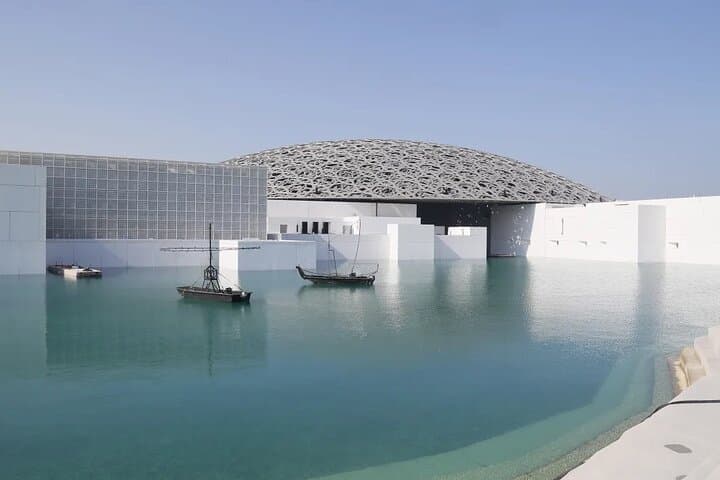
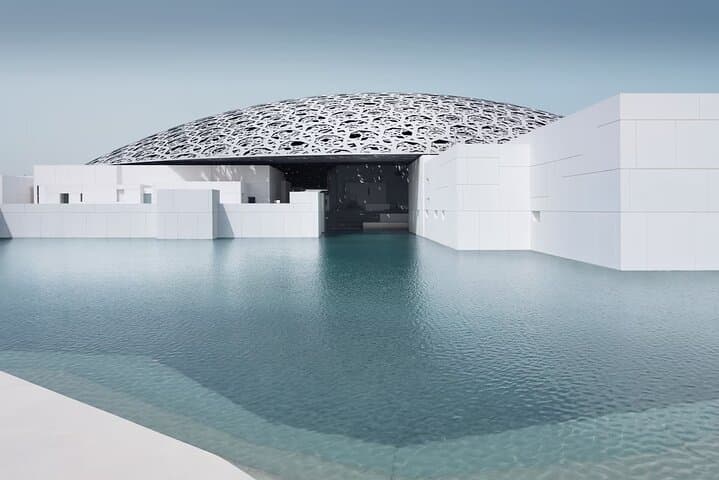
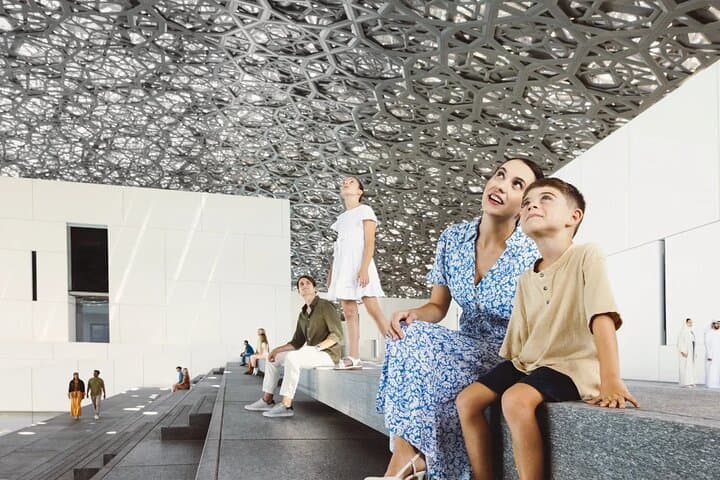
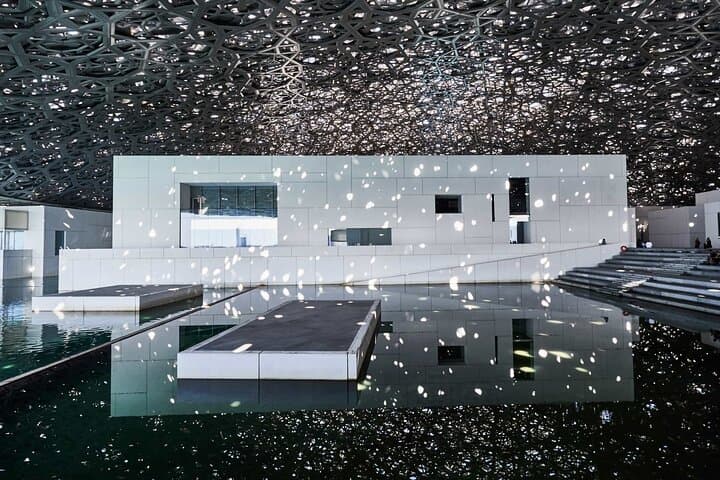
A visitor steps from Saadiyat Island’s bright harbor into a courtyard where light filters through a vast metal dome—shifting patterns that move with the sun and give the galleries a quiet, animated pulse.
A visitor steps from Saadiyat Island’s bright harbor into a courtyard where light filters through a vast metal dome—shifting patterns that move with the sun and give the galleries a quiet, animated pulse.
Louvre Abu Dhabi opened in 2017 as a result of a landmark cultural partnership between the United Arab Emirates and France. Architect Jean Nouvel’s dome and the museum’s 6,400 square metres of gallery space frame a chronological sweep of objects: archaeological finds, decorative arts, neoclassical sculpture, modern painting and contemporary installations that highlight shared themes across civilizations.
Geology and place are quiet partners here—the museum sits on reclaimed Saadiyat Island, where the shoreline, mangroves and shallow Gulf waters have shaped local ecology and influenced site planning. Cultural context matters: Agence France-Muséums coordinates loans from French institutions, while Emirati curators situate works within regional history and global exchange.
Practical guidance: plan 2–3 hours to move through core galleries; ticketed entry is mobile-friendly and wheelchair accessible. Start with the permanent collection to feel the curatorial narrative, then catch temporary exhibitions and the seafront promenade for reflections of the dome over water. Peak midday light creates the most dramatic dome effect but also the busiest crowds—early mornings or late afternoons offer cooler, calmer visits.
Tips for visitors: bring comfortable shoes for gallery floors, a light layer for variable interior temps, and a camera (no flash in galleries). Allow extra time for ticket checks and to pause on outdoor terraces where the Gulf and Saadiyat shoreline come into view.