THE ADVENTURE COLLECTIVE® · Independent discovery and booking for outdoor travel

A full-day excursion from Sfakia that pairs a coastal drive over the Askifou plateau with a private taxi-boat to Glyka Nera Beach and the car-free fishing village of Loutro. Expect swimming, narrow alleys, simple tavernas, and weather-dependent crossings.
A full-day excursion from Sfakia that pairs a coastal drive over the Askifou plateau with a private taxi-boat to Glyka Nera Beach and the car-free fishing village of Loutro. Expect swimming, narrow alleys, simple tavernas, and weather-dependent crossings.
You step onto the coastal road above the Libyan Sea and the plateau of Askifou opens out like a weathered map—olive terraces and stone houses give way to a drop that frames Imbros Gorge and a blue that seems to push inland.
Verified experiences and guided adventures in the surrounding area.
Operated by Cretan Holidays · Loutro, Chania (Crete)
You step onto the coastal road above the Libyan Sea and the plateau of Askifou opens out like a weathered map—olive terraces and stone houses give way to a drop that frames Imbros Gorge and a blue that seems to push inland.
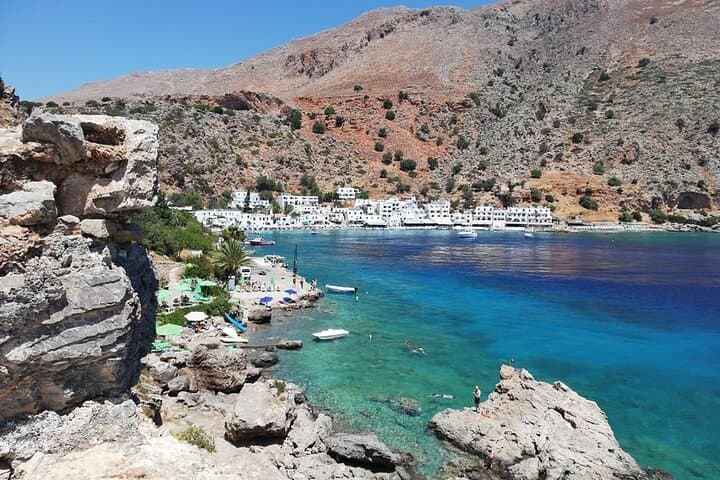
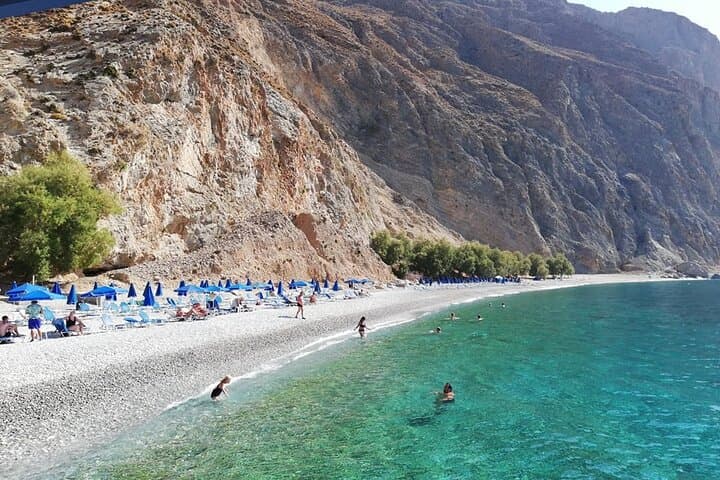
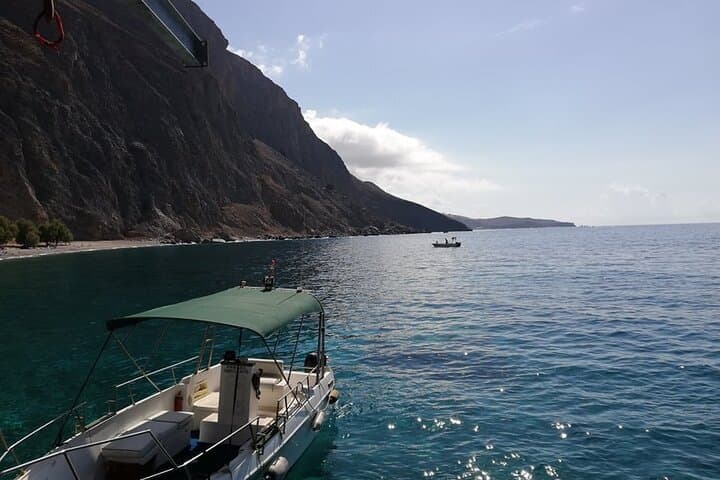
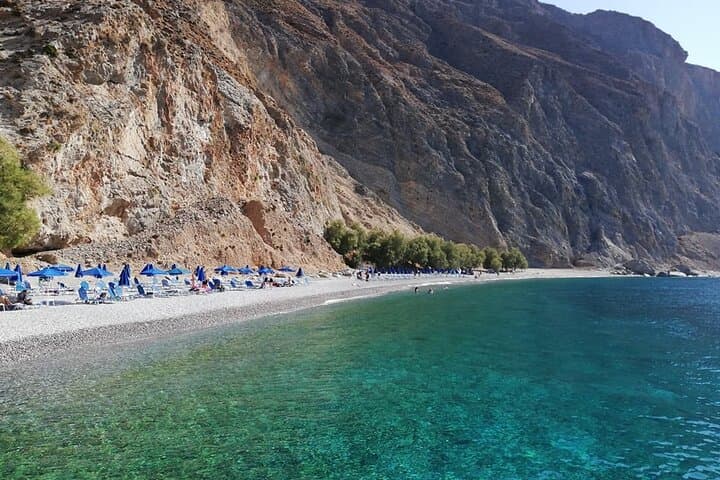
The day moves with easy, purposeful rhythm: a short drive through Sfakia’s scattered villages, a coffee break in Askifou, then down to Chora Sfakion where a private taxi-boat waits. The crossing takes you past pine-scarred coves to Glyka Nera ("sweet waters"), a small beach fed by a brackish spring, and onward to Loutro — a fishermen’s hamlet with no roads, only narrow alleys and a scattering of tavernas around the harbor.
Geology here is blunt and honest: steep limestone and schist cliffs carved by winter torrents, creating the gorges that cleave the island. Culturally, Sfakia carries a reputation for stubborn independence dating to Venetian and Ottoman eras; Loutro preserves that slower pace. Expect local fish grilled simply, village conversation in the port, and the occasional bleat of goats on the headlands.
Practical edge: boats are weather-dependent and sea conditions can change; ferry schedules are limited, so plan return times. Bring cash (limited services), sun protection, water shoes for rocky shores, and a dry bag for electronics. Swim in clear, cool water off small pebbled coves and allow plenty of time to wander Loutro’s lanes — the quiet is part of the point. This is a full day: start early, hydrate, and let the sea set the pace.
easy.
8–9 hours.
Suitable for most fitness levels; involves short walks on uneven stone streets and swimming in open water.
Boat crossings from Chora Sfakion are typically 20–40 minutes depending on sea state and stops along the route.
Yes—several small fish tavernas and cafés operate on the harbor, but bring cash and expect simple, fresh menus.
Yes; the excursion is rated easy, though harbor landings and uneven streets may require moderate mobility and supervision for young children.
Operators often cancel crossings for safety; tour policies typically allow refunds or rescheduling—confirm details when booking.
The Sfakia region has long been associated with Crete’s independent history—many villages resisted Ottoman rule and kept distinctive local customs and cuisine.
The south coast hosts fragile Posidonia seagrass beds and limited island services; avoid anchoring on seagrass, pack out waste, and respect local water sources.
Cretan Holidays operates guided outdoor trips and adventures with an emphasis on safety, stewardship, and memorable experiences.
You step onto the coastal road above the Libyan Sea and the plateau of Askifou opens out like a weathered map—olive terraces and stone houses give way to a drop that frames Imbros Gorge and a blue that seems to push inland.
You step onto the coastal road above the Libyan Sea and the plateau of Askifou opens out like a weathered map—olive terraces and stone houses give way to a drop that frames Imbros Gorge and a blue that seems to push inland.
The day moves with easy, purposeful rhythm: a short drive through Sfakia’s scattered villages, a coffee break in Askifou, then down to Chora Sfakion where a private taxi-boat waits. The crossing takes you past pine-scarred coves to Glyka Nera ("sweet waters"), a small beach fed by a brackish spring, and onward to Loutro — a fishermen’s hamlet with no roads, only narrow alleys and a scattering of tavernas around the harbor.
Geology here is blunt and honest: steep limestone and schist cliffs carved by winter torrents, creating the gorges that cleave the island. Culturally, Sfakia carries a reputation for stubborn independence dating to Venetian and Ottoman eras; Loutro preserves that slower pace. Expect local fish grilled simply, village conversation in the port, and the occasional bleat of goats on the headlands.
Practical edge: boats are weather-dependent and sea conditions can change; ferry schedules are limited, so plan return times. Bring cash (limited services), sun protection, water shoes for rocky shores, and a dry bag for electronics. Swim in clear, cool water off small pebbled coves and allow plenty of time to wander Loutro’s lanes — the quiet is part of the point. This is a full day: start early, hydrate, and let the sea set the pace.