THE ADVENTURE COLLECTIVE® · Independent discovery and booking for outdoor travel

Spend 12 hours tracing The Hobbit film locations in the Mangaotaki Valley and drifting through Waitomo’s glowworm caves. This guided day tour blends film history, karst geology and intimate cave ecology with easy walks and a long but scenic road route.
Spend 12 hours tracing The Hobbit film locations in the Mangaotaki Valley and drifting through Waitomo’s glowworm caves. This guided day tour blends film history, karst geology and intimate cave ecology with easy walks and a long but scenic road route.
You step from an air‑conditioned minibus onto a gravel lane framed by grey limestone bluffs and farm fields that roll like stitched quilts. The Mangaotaki Valley opens slowly—the trunks and ferns of the forest taking on a cinematic hush where filmmakers found their Trollshaws. Guides from Hairy Feet Waitomo move with the rhythm of the land, pointing out rock faces and hedgerows that doubled as Middle‑earth.
Verified experiences and guided adventures in the surrounding area.
Operated by Stevong Travel · Waitomo, Waikato
You step from an air‑conditioned minibus onto a gravel lane framed by grey limestone bluffs and farm fields that roll like stitched quilts. The Mangaotaki Valley opens slowly—the trunks and ferns of the forest taking on a cinematic hush where filmmakers found their Trollshaws. Guides from Hairy Feet Waitomo move with the rhythm of the land, pointing out rock faces and hedgerows that doubled as Middle‑earth.
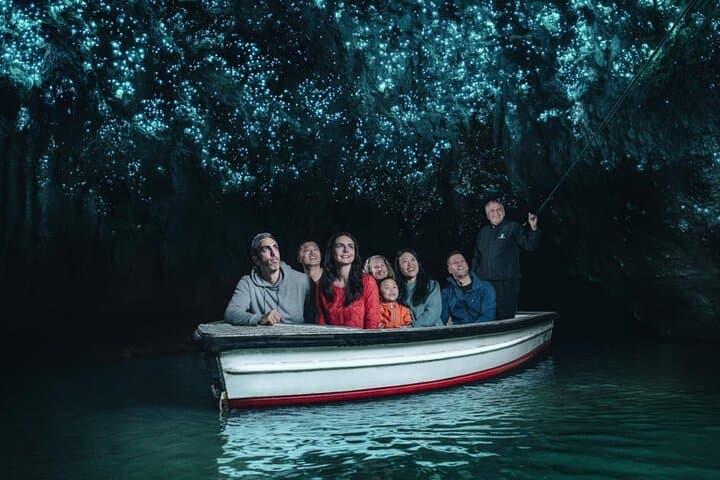
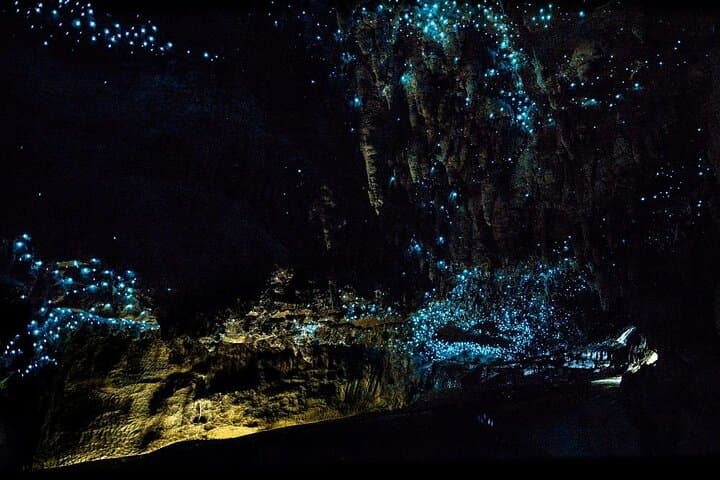
The day pairs two distinct landscapes: pastoral filming locations in the Piopio/Mangaotaki area and the subterranean world of Waitomo. Geologically, Waitomo is classic karst—limestone dissolved over millions of years into caves, shafts and winding rivers. Culturally the caves are part of Māori tradition; local iwi have long known these passages and their life there. The glowworms (Arachnocampa luminosa) that dangle like living stars on cave ceilings create a slow, magnetic light—the cave’s quiet answer to daylight.
Expect easy, mostly flat walks through farmland and short forest trails, followed by an underground boat glide beneath a ceiling of bioluminescence. The pace is relaxed but long: plan for a full 12‑hour window including two 3.5‑hour driving legs. Guides handle logistics and storytelling—film anecdotes sit alongside natural history.
Practical side: bring layered clothing and good walking shoes, carry water and snacks, and be ready for low‑light photography limits in the caves. Respect private farmland and follow your guide’s instructions in sensitive cave habitat; flash photography and touching formations are off limits. This is a day that trades elevation for atmosphere—slow, detailed, and quietly spectacular.
easy.
12 hours.
Suitable for most fitness levels; includes short easy walks and long periods of sitting during transfers
Pickups are generally arranged from central Auckland or nearby meeting points; expect roughly 3–3.5 hours driving to reach Waitomo/Mangaotaki sections each way, built into the 12‑hour schedule.
Yes—entrance and the standard illuminated boat ride through the glowworm gallery are included in the tour price.
The tour is family‑friendly for children but not recommended for those with significant mobility issues due to low light, steps in cave access, and some uneven ground at outdoor sites.
Photography without flash is sometimes permitted but results are challenging; follow your guide’s rules—flashes and bright lights harm the delicate cave ecosystem.
The Mangaotaki Valley and surrounding farmland were used for The Hobbit films; Waitomo’s caves have long been significant to local Māori and reveal karst processes that formed over millions of years.
Cave ecosystems are fragile—follow guide instructions, avoid bright lights and touching formations, and stick to marked paths to protect native species and geological features.
Stevong Travel operates guided outdoor trips and adventures with an emphasis on safety, stewardship, and memorable experiences.
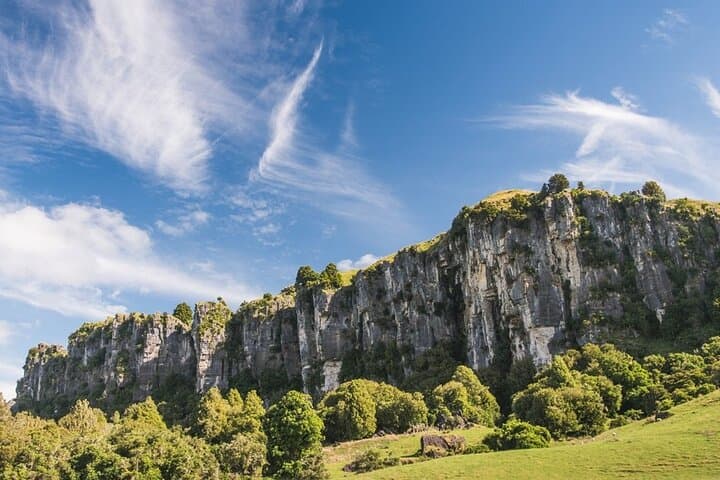
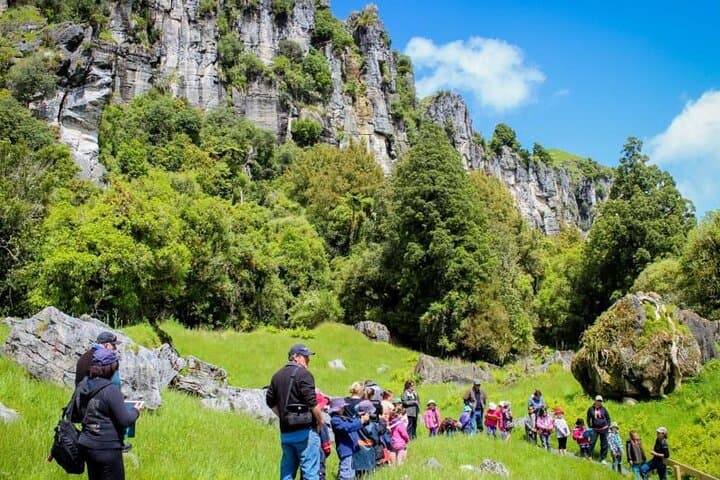
You step from an air‑conditioned minibus onto a gravel lane framed by grey limestone bluffs and farm fields that roll like stitched quilts. The Mangaotaki Valley opens slowly—the trunks and ferns of the forest taking on a cinematic hush where filmmakers found their Trollshaws. Guides from Hairy Feet Waitomo move with the rhythm of the land, pointing out rock faces and hedgerows that doubled as Middle‑earth.
You step from an air‑conditioned minibus onto a gravel lane framed by grey limestone bluffs and farm fields that roll like stitched quilts. The Mangaotaki Valley opens slowly—the trunks and ferns of the forest taking on a cinematic hush where filmmakers found their Trollshaws. Guides from Hairy Feet Waitomo move with the rhythm of the land, pointing out rock faces and hedgerows that doubled as Middle‑earth.
The day pairs two distinct landscapes: pastoral filming locations in the Piopio/Mangaotaki area and the subterranean world of Waitomo. Geologically, Waitomo is classic karst—limestone dissolved over millions of years into caves, shafts and winding rivers. Culturally the caves are part of Māori tradition; local iwi have long known these passages and their life there. The glowworms (Arachnocampa luminosa) that dangle like living stars on cave ceilings create a slow, magnetic light—the cave’s quiet answer to daylight.
Expect easy, mostly flat walks through farmland and short forest trails, followed by an underground boat glide beneath a ceiling of bioluminescence. The pace is relaxed but long: plan for a full 12‑hour window including two 3.5‑hour driving legs. Guides handle logistics and storytelling—film anecdotes sit alongside natural history.
Practical side: bring layered clothing and good walking shoes, carry water and snacks, and be ready for low‑light photography limits in the caves. Respect private farmland and follow your guide’s instructions in sensitive cave habitat; flash photography and touching formations are off limits. This is a day that trades elevation for atmosphere—slow, detailed, and quietly spectacular.