THE ADVENTURE COLLECTIVE® · Independent discovery and booking for outdoor travel

Hike original Inca paths, arrive at Machu Picchu through the Sun Gate, and sleep in Aguas Calientes on this three-day guided trek. Expect cloud-forest trails, archaeological stops like Wiñay Wayna, and steep altitude gains—plan to acclimatize in Cusco beforehand.
Hike original Inca paths, arrive at Machu Picchu through the Sun Gate, and sleep in Aguas Calientes on this three-day guided trek. Expect cloud-forest trails, archaeological stops like Wiñay Wayna, and steep altitude gains—plan to acclimatize in Cusco beforehand.
Dawn on the Inca Trail begins with a cool mist rising from the cloud forest, the path slick with centuries of footsteps and recent rain. Hikers move deliberately, lungs working at altitude as the trail threads stone steps and terraces toward the Sun Gate where Machu Picchu first reveals itself like a guarded secret.
Verified experiences and guided adventures in the surrounding area.
Operated by Inca Soul Tours · Aguas Calientes (Machu Picchu Pueblo), Cusco Region
Dawn on the Inca Trail begins with a cool mist rising from the cloud forest, the path slick with centuries of footsteps and recent rain. Hikers move deliberately, lungs working at altitude as the trail threads stone steps and terraces toward the Sun Gate where Machu Picchu first reveals itself like a guarded secret.
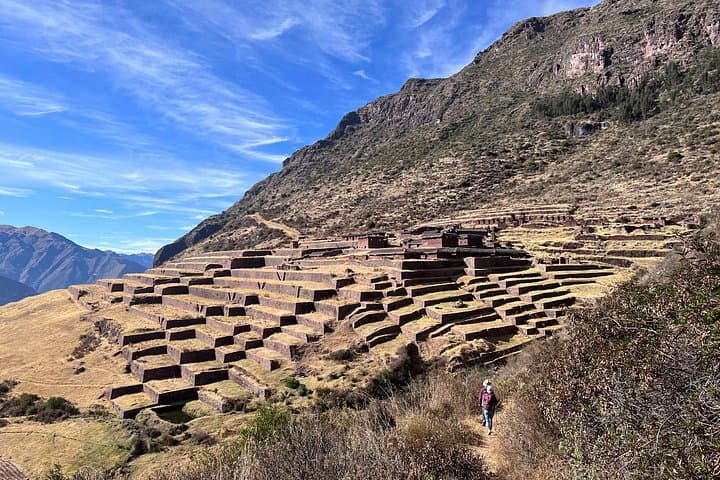
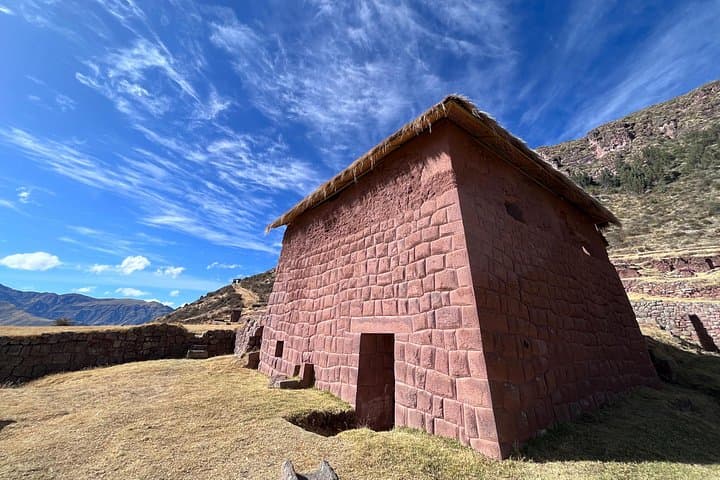
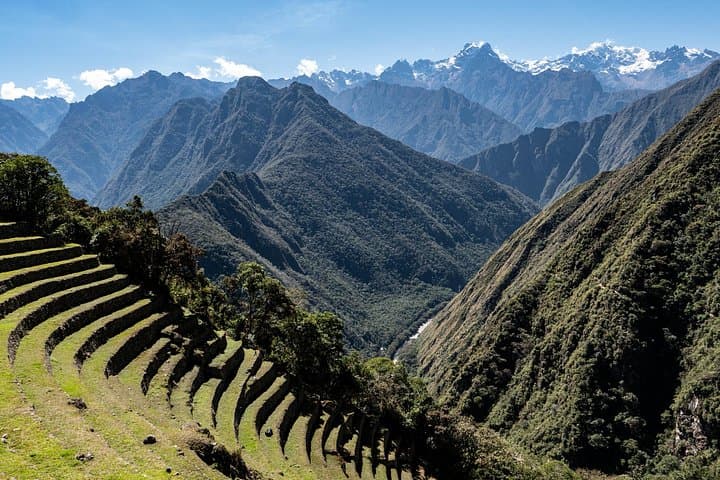
This itinerary follows original Inca paths: Huchuy Qosqo and Pukamarka’s terraces speak to agricultural engineering and regional control, while Wiñay Wayna’s stepped gardens show refined stonework. Geologically the route skirts the eastern Andean escarpment, shifting from puna grasslands to humid cloud forest; volcanic and metamorphic rocks give the terraces their stability. Local Quechua communities still steward sections of the trail and guides share stories about Inca logistics, water channels and ceremonial sites.
Practical guidance: the classic two-day Inca Trail segment covered here is roughly 13 km from the Sun Gate to Machu Picchu with daily gains up to about 4,200 m on nearby ascents; expect 6–8 hour walking days. Altitude acclimatization in Cusco for 48–72 hours beforehand reduces risk of acute mountain sickness. Footwear with firm ankle support and a compact daypack are essential; plan for sudden cloud-forest rain even in the dry season.
Timing matters—early starts avoid crowds at the Sun Gate and late afternoons bring dramatic light for photography. Respect permit limits and park rules: stay on marked paths, carry out waste, and let local guides interpret the living history beneath your boots.
challenging.
3 days.
Suitable for hikers with good aerobic fitness and prior experience with long days at altitude; expect sustained uphill sections and uneven terrain.
Yes—permits are required and limited; reputable tours usually secure permits in advance as part of the booking.
Sections reach around 2,650 m (8,690 ft) and nearby climbs to 4,200 m are possible; acclimatization in Cusco is recommended.
Fit beginners who have prepared for altitude and long days can succeed with a guided group, but it remains physically demanding.
Guided trips provide meals (box lunches and cooked dinners) and use established restroom points; bring hand sanitizer and small change for facilities in towns.
The Inca Trail was a network of royal and religious roads connecting Cusco to sacred sites; many stone stairways and terraces date to Inca infrastructure projects of the 15th century.
Machu Picchu and the Inca Trail operate under strict visitor limits and permit systems—follow park rules, stay on trails and minimize waste to protect fragile highland ecosystems.
Inca Soul Tours operates guided outdoor trips and adventures with an emphasis on safety, stewardship, and memorable experiences.
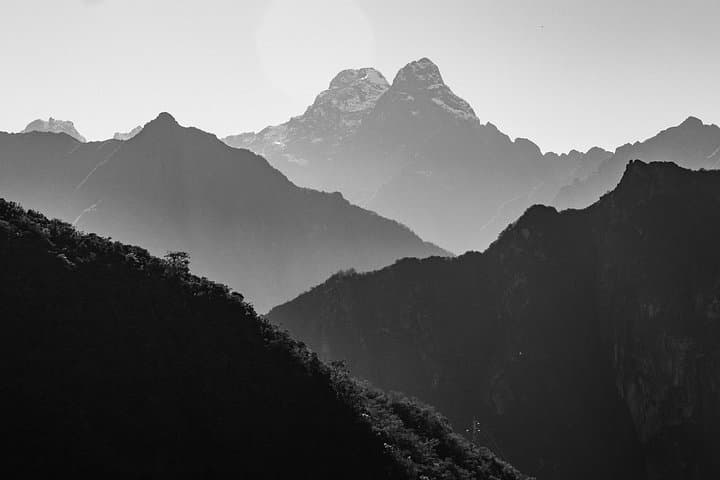
Dawn on the Inca Trail begins with a cool mist rising from the cloud forest, the path slick with centuries of footsteps and recent rain. Hikers move deliberately, lungs working at altitude as the trail threads stone steps and terraces toward the Sun Gate where Machu Picchu first reveals itself like a guarded secret.
Dawn on the Inca Trail begins with a cool mist rising from the cloud forest, the path slick with centuries of footsteps and recent rain. Hikers move deliberately, lungs working at altitude as the trail threads stone steps and terraces toward the Sun Gate where Machu Picchu first reveals itself like a guarded secret.
This itinerary follows original Inca paths: Huchuy Qosqo and Pukamarka’s terraces speak to agricultural engineering and regional control, while Wiñay Wayna’s stepped gardens show refined stonework. Geologically the route skirts the eastern Andean escarpment, shifting from puna grasslands to humid cloud forest; volcanic and metamorphic rocks give the terraces their stability. Local Quechua communities still steward sections of the trail and guides share stories about Inca logistics, water channels and ceremonial sites.
Practical guidance: the classic two-day Inca Trail segment covered here is roughly 13 km from the Sun Gate to Machu Picchu with daily gains up to about 4,200 m on nearby ascents; expect 6–8 hour walking days. Altitude acclimatization in Cusco for 48–72 hours beforehand reduces risk of acute mountain sickness. Footwear with firm ankle support and a compact daypack are essential; plan for sudden cloud-forest rain even in the dry season.
Timing matters—early starts avoid crowds at the Sun Gate and late afternoons bring dramatic light for photography. Respect permit limits and park rules: stay on marked paths, carry out waste, and let local guides interpret the living history beneath your boots.