THE ADVENTURE COLLECTIVE® · Independent discovery and booking for outdoor travel

Slide through mangrove tunnels, duck into limestone caves, and stand before Taino pictographs on a private 4–5 hour boat tour of Los Haitises. This small-group excursion pairs wildlife viewing with cultural history and local-guided interpretation.
Slide through mangrove tunnels, duck into limestone caves, and stand before Taino pictographs on a private 4–5 hour boat tour of Los Haitises. This small-group excursion pairs wildlife viewing with cultural history and local-guided interpretation.
You push off at dawn and the bay opens around you—the water a slow, reflective engine that wants to keep you moving. The guide trims the outboard and the boat glides into a lacework of mangrove roots; light threads through leaves and the air smells of salt and wet earth. Somewhere ahead the limestone humps of Los Haitises rise like an island choir, their sheer faces pierced with caves and the faint, ochre traces of Taino pictographs.
Verified experiences and guided adventures in the surrounding area.
Operated by The Whales Las Ballenas · Samaná, Samaná Province
You push off at dawn and the bay opens around you—the water a slow, reflective engine that wants to keep you moving. The guide trims the outboard and the boat glides into a lacework of mangrove roots; light threads through leaves and the air smells of salt and wet earth. Somewhere ahead the limestone humps of Los Haitises rise like an island choir, their sheer faces pierced with caves and the faint, ochre traces of Taino pictographs.
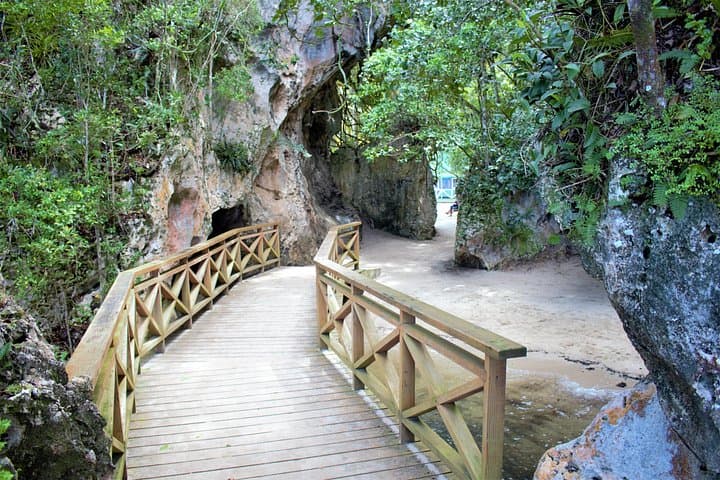
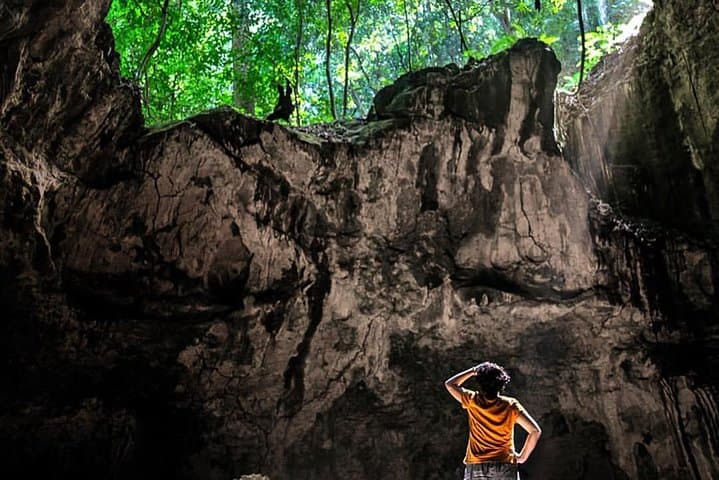
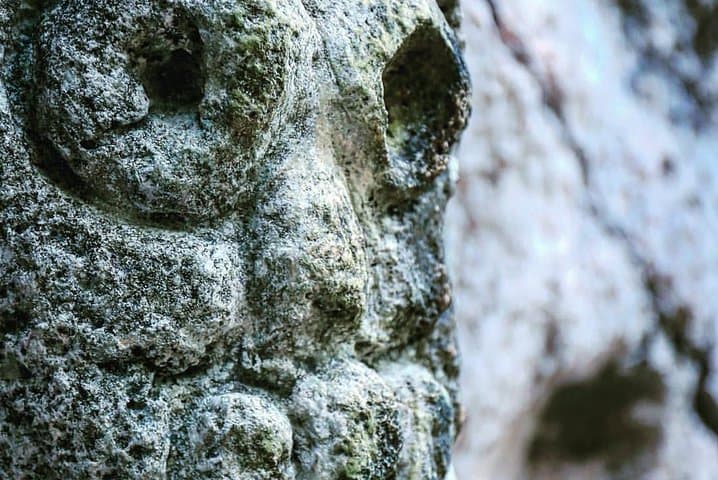
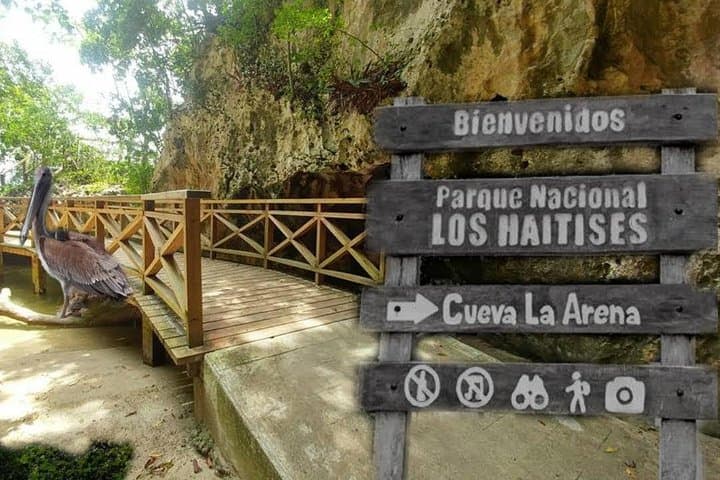
Los Haitises National Park is geologic theater. Karst limestone, lifted and sculpted over millennia, creates moats, sea caves and sinkholes. The Taino people left pictographs in many of these caverns; later, colonists and sailors used the protected bays as hideaways. Today the park is valued for its dense mangrove forests, seabird colonies and submerged tunnels that guide small boats into low, cool caverns.
The tour routes pivot between ecosystems. San Lorenzo Bay opens up to broad water and fishing boats returning with the morning catch; closer in, canals narrow so the mangroves can brush the boat’s rails and a pair of frigatebirds wheel and dare you to look away. The sand cave and the so-called Line Cave reveal layered banding in the limestone—slow-time geology you can inspect inches away. Visiting the small docks and rock formations, you’ll hear guides explain how mangroves buffer storms and why preserving these channels matters to neighboring communities.
Practicalities: expect a 4–5 hour private excursion (roughly 240–300 minutes). The trip alternates between slow skiffs in mangrove channels and short stops at cave entrances; some caves require ducking and stepping from wet rock, so steady balance helps. Guides provide local context, point out pictographs and manage boat positioning for safe entry.
Plan for sun and spray. Bring refillable water, reef-safe sunscreen and footwear that can get wet but still grip. The operator asks guests to message after booking to confirm the exact meeting point—most departures run from Samaná/Sabana de la Mar area. The tour supports local guides and communities, so tipping and buying a snack locally goes a long way.
Timing matters: mornings are quieter for wildlife and calmer seas; late afternoon light makes the limestone faces glow. Respect fragile cave art—no touching—and follow your guide’s instructions when entering low passages.
At its best, this private boat tour balances easygoing exploration with high-impact sights: mangrove channels that seem to hold time, caves that keep human marks from another era, and a coastline that demands attention the way a good story does.
easy.
4–5 hours.
Suitable for most fitness levels; you should be steady on your feet for short wet rock exits and have basic mobility for boarding and disembarking.
The private excursion runs about 240–300 minutes (4–5 hours). After booking, contact the operator to confirm the precise meeting time and pickup location.
The tour is described as physically easy and stroller/wheelchair accessible for portions, but cave entries require stepping on wet rocks and low ducking—discuss needs with the guide before booking.
Yes, reputable operators provide life jackets for all passengers; ask the guide to demonstrate proper fit before departing.
Many cave stops include viewing of pictographs; visibility depends on water level and light—guides explain their locations and cultural significance.
Some tours may include short swims if conditions allow—confirm with the operator. Bring swimwear and a waterproof bag if you hope to get in the water.
Local guides commonly speak Spanish and basic English; if you require another language, request it in advance when booking.
Los Haitises holds many Taino pictographs and archaeological sites; its karst caves were used for ritual and shelter before and after European contact.
Mangroves and seabird colonies are fragile; follow guide instructions, avoid disturbing nesting birds, and use reef-safe sunscreen to reduce impact.
The Whales Las Ballenas operates guided outdoor trips and adventures with an emphasis on safety, stewardship, and memorable experiences.
You push off at dawn and the bay opens around you—the water a slow, reflective engine that wants to keep you moving. The guide trims the outboard and the boat glides into a lacework of mangrove roots; light threads through leaves and the air smells of salt and wet earth. Somewhere ahead the limestone humps of Los Haitises rise like an island choir, their sheer faces pierced with caves and the faint, ochre traces of Taino pictographs.
You push off at dawn and the bay opens around you—the water a slow, reflective engine that wants to keep you moving. The guide trims the outboard and the boat glides into a lacework of mangrove roots; light threads through leaves and the air smells of salt and wet earth. Somewhere ahead the limestone humps of Los Haitises rise like an island choir, their sheer faces pierced with caves and the faint, ochre traces of Taino pictographs.
Los Haitises National Park is geologic theater. Karst limestone, lifted and sculpted over millennia, creates moats, sea caves and sinkholes. The Taino people left pictographs in many of these caverns; later, colonists and sailors used the protected bays as hideaways. Today the park is valued for its dense mangrove forests, seabird colonies and submerged tunnels that guide small boats into low, cool caverns.
The tour routes pivot between ecosystems. San Lorenzo Bay opens up to broad water and fishing boats returning with the morning catch; closer in, canals narrow so the mangroves can brush the boat’s rails and a pair of frigatebirds wheel and dare you to look away. The sand cave and the so-called Line Cave reveal layered banding in the limestone—slow-time geology you can inspect inches away. Visiting the small docks and rock formations, you’ll hear guides explain how mangroves buffer storms and why preserving these channels matters to neighboring communities.
Practicalities: expect a 4–5 hour private excursion (roughly 240–300 minutes). The trip alternates between slow skiffs in mangrove channels and short stops at cave entrances; some caves require ducking and stepping from wet rock, so steady balance helps. Guides provide local context, point out pictographs and manage boat positioning for safe entry.
Plan for sun and spray. Bring refillable water, reef-safe sunscreen and footwear that can get wet but still grip. The operator asks guests to message after booking to confirm the exact meeting point—most departures run from Samaná/Sabana de la Mar area. The tour supports local guides and communities, so tipping and buying a snack locally goes a long way.
Timing matters: mornings are quieter for wildlife and calmer seas; late afternoon light makes the limestone faces glow. Respect fragile cave art—no touching—and follow your guide’s instructions when entering low passages.
At its best, this private boat tour balances easygoing exploration with high-impact sights: mangrove channels that seem to hold time, caves that keep human marks from another era, and a coastline that demands attention the way a good story does.