THE ADVENTURE COLLECTIVE® · Independent discovery and booking for outdoor travel

A private birdwatching trip into Los Haitises pairs quiet boat transit through mangrove channels with short walks to caves and pictographs—ideal for spotting frigatebirds, Hispaniolan parrots and coastal waders. This 3–5 hour tour blends easy terrain with rich natural and cultural history.
A private birdwatching trip into Los Haitises pairs quiet boat transit through mangrove channels with short walks to caves and pictographs—ideal for spotting frigatebirds, Hispaniolan parrots and coastal waders. This 3–5 hour tour blends easy terrain with rich natural and cultural history.
The boat slips away from the jetty and the world simplifies to water, mangrove roots and an orchestra of wings. In the salt-sweet air of Los Haitises National Park, frigatebirds wheel like dark kites while furtive shorebirds probe exposed mudflats. The guide points toward a low limestone island—its cave mouth a black eye—and the passengers lean forward, binoculars already trained.
Verified experiences and guided adventures in the surrounding area.
Operated by The Whales Las Ballenas · Sabana de la Mar, Samaná Province
The boat slips away from the jetty and the world simplifies to water, mangrove roots and an orchestra of wings. In the salt-sweet air of Los Haitises National Park, frigatebirds wheel like dark kites while furtive shorebirds probe exposed mudflats. The guide points toward a low limestone island—its cave mouth a black eye—and the passengers lean forward, binoculars already trained.
Los Haitises is an archipelago of karst islets, hidden coves and dense mangroves carved from Cretaceous limestone uplifted and sculpted by millennia of wind and sea. The Taino people left pictographs and shell middens in some of the park’s caves; later, colonial ships threaded these bays, leaving traces in small Sabana de la Mar fishing settlements. Today the park reads like a layered field guide: geological folds, a braided mangrove coastline, and a living glossary of Caribbean birds.
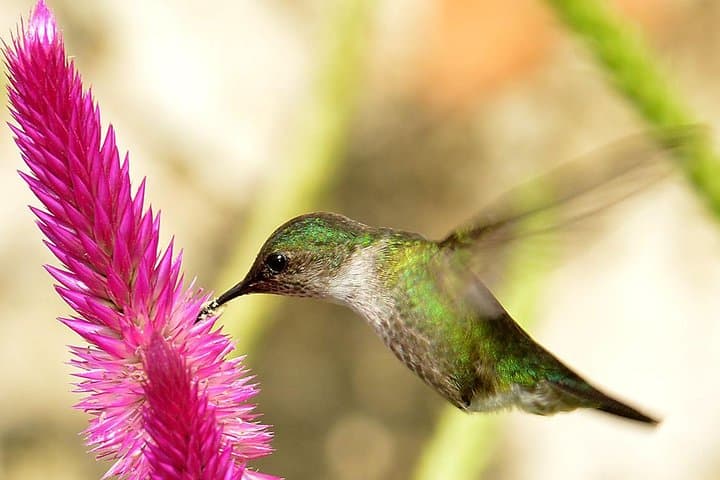
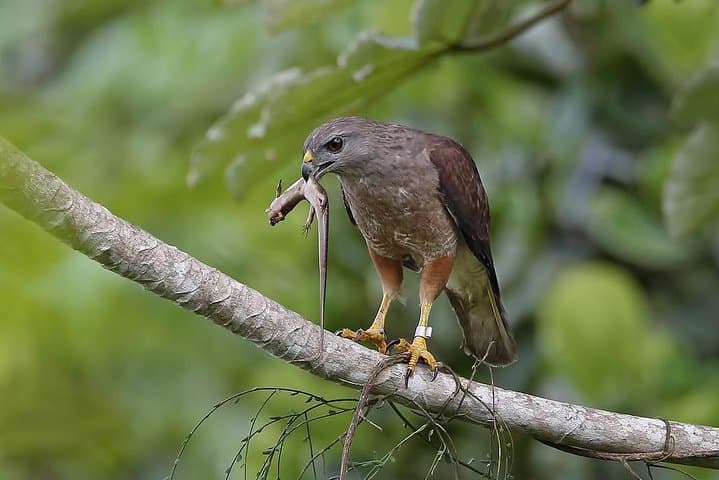
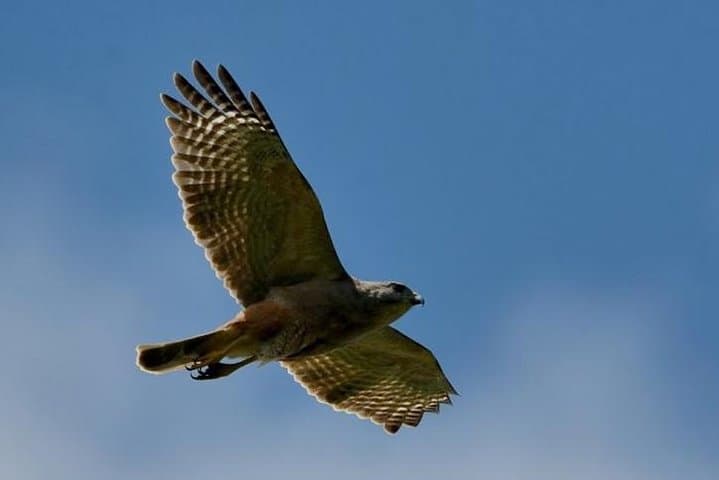
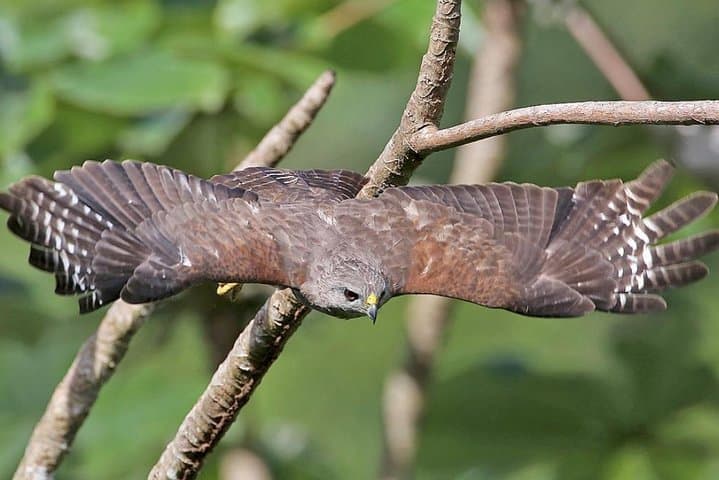
Birders come here for species that don’t show up on every Caribbean checklist. Besides magnificent frigatebirds and brown pelicans, visitors may glimpse the Hispaniolan parrot and mangrove cuckoo, while tern colonies and herons make the estuaries lively. The mangrove roots are not scenery alone; they act, insistently, as nurseries for fish and crustaceans—and as a stage where tidal life pushes and pulls, daring you to keep pace.
The experience blends slow, observational travel with short, accessible forays ashore. Tours typically run 3–5 hours: a few hours of calm boat transit between mangrove channels and small cays, interlaced with short guided walks to cave openings and pictograph sites. Trails onshore are low-elevation and easy, often wet underfoot near the mangrove fringe, so expect flat mud, roots and short steps rather than steep climbs or long scrambles.
Practical planning is straightforward. The trip departs from a meeting point provided after booking—most visitors base themselves in Sabana de la Mar or Samaná—and moves by boat into the protected park. Bring binoculars, a camera with a telephoto lens, sun protection and water; insect repellent is useful in shaded mangrove channels. The best light for photography is early morning, when birds are active and the water glassy. Be prepared for sudden weather shifts: the boat gives the only real shelter between brief cave visits.
Conservation-minded travelers should respect the park’s limits: no new trails, maintain distance from nesting birds, and avoid leaving plastics in boats or ashore. A private birdwatching tour in Los Haitises is not just a checklist—it’s a close, respectful look at an island system that keeps surprising those who come to watch it move.
easy.
3–5 hours.
Suitable for people with average fitness; the trip involves sitting on a boat and short, low-elevation walks on flat, sometimes muddy terrain.
The operator provides a specific meeting point after booking—most departures are from a local dock near Sabana de la Mar; check your confirmation message for exact directions.
Species counts vary with season, but outings commonly record a mix of seabirds, herons, egrets, terns and—if lucky—Hispaniolan parrots or endemic passerines.
Yes; the activity is rated easy with short walks and calm boat travel, but those with mobility issues should notify the guide in advance.
Standard tours include guide fees and park taxes but typically do not include food; bring water and snacks as needed.
Private tours are flexible—ask the operator about slower itineraries or extra time at preferred photo stops when you book.
Bookings are final with no refunds; trips may be canceled by the operator for bad weather or insufficient travelers—confirm specifics with the provider.
The park’s caves hold Taino pictographs and archaeological sites; Sabana de la Mar was also a strategic colonial-era harbor with fishing and boat-building traditions.
Los Haitises is a protected area with restrictions on anchoring and disturbance; visitors are encouraged to follow guides’ rules to protect nesting sites and mangrove nurseries.
The Whales Las Ballenas operates guided outdoor trips and adventures with an emphasis on safety, stewardship, and memorable experiences.
The boat slips away from the jetty and the world simplifies to water, mangrove roots and an orchestra of wings. In the salt-sweet air of Los Haitises National Park, frigatebirds wheel like dark kites while furtive shorebirds probe exposed mudflats. The guide points toward a low limestone island—its cave mouth a black eye—and the passengers lean forward, binoculars already trained.
The boat slips away from the jetty and the world simplifies to water, mangrove roots and an orchestra of wings. In the salt-sweet air of Los Haitises National Park, frigatebirds wheel like dark kites while furtive shorebirds probe exposed mudflats. The guide points toward a low limestone island—its cave mouth a black eye—and the passengers lean forward, binoculars already trained.
Los Haitises is an archipelago of karst islets, hidden coves and dense mangroves carved from Cretaceous limestone uplifted and sculpted by millennia of wind and sea. The Taino people left pictographs and shell middens in some of the park’s caves; later, colonial ships threaded these bays, leaving traces in small Sabana de la Mar fishing settlements. Today the park reads like a layered field guide: geological folds, a braided mangrove coastline, and a living glossary of Caribbean birds.
Birders come here for species that don’t show up on every Caribbean checklist. Besides magnificent frigatebirds and brown pelicans, visitors may glimpse the Hispaniolan parrot and mangrove cuckoo, while tern colonies and herons make the estuaries lively. The mangrove roots are not scenery alone; they act, insistently, as nurseries for fish and crustaceans—and as a stage where tidal life pushes and pulls, daring you to keep pace.
The experience blends slow, observational travel with short, accessible forays ashore. Tours typically run 3–5 hours: a few hours of calm boat transit between mangrove channels and small cays, interlaced with short guided walks to cave openings and pictograph sites. Trails onshore are low-elevation and easy, often wet underfoot near the mangrove fringe, so expect flat mud, roots and short steps rather than steep climbs or long scrambles.
Practical planning is straightforward. The trip departs from a meeting point provided after booking—most visitors base themselves in Sabana de la Mar or Samaná—and moves by boat into the protected park. Bring binoculars, a camera with a telephoto lens, sun protection and water; insect repellent is useful in shaded mangrove channels. The best light for photography is early morning, when birds are active and the water glassy. Be prepared for sudden weather shifts: the boat gives the only real shelter between brief cave visits.
Conservation-minded travelers should respect the park’s limits: no new trails, maintain distance from nesting birds, and avoid leaving plastics in boats or ashore. A private birdwatching tour in Los Haitises is not just a checklist—it’s a close, respectful look at an island system that keeps surprising those who come to watch it move.