THE ADVENTURE COLLECTIVE® · Independent discovery and booking for outdoor travel

A full-day expedition from Punta Cana that mixes limestone caves, mangrove channels and a swim at Caño Hondo’s natural pools. Perfect for travelers wanting wildlife, photo viewpoints and a hands-on introduction to Dominican coastal ecosystems.
A full-day expedition from Punta Cana that mixes limestone caves, mangrove channels and a swim at Caño Hondo’s natural pools. Perfect for travelers wanting wildlife, photo viewpoints and a hands-on introduction to Dominican coastal ecosystems.
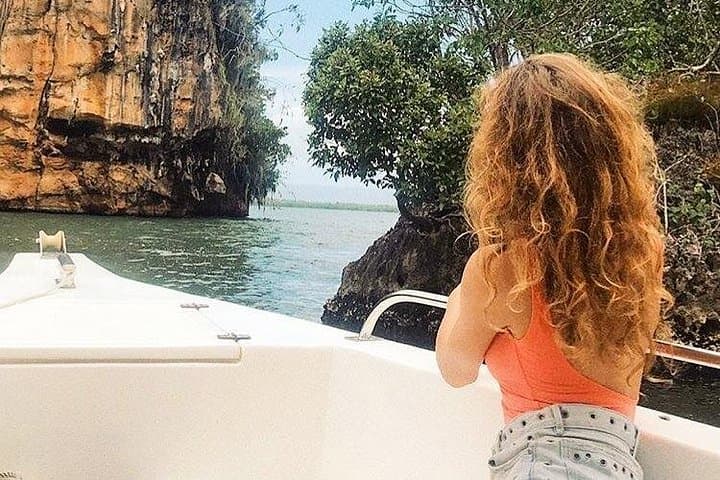
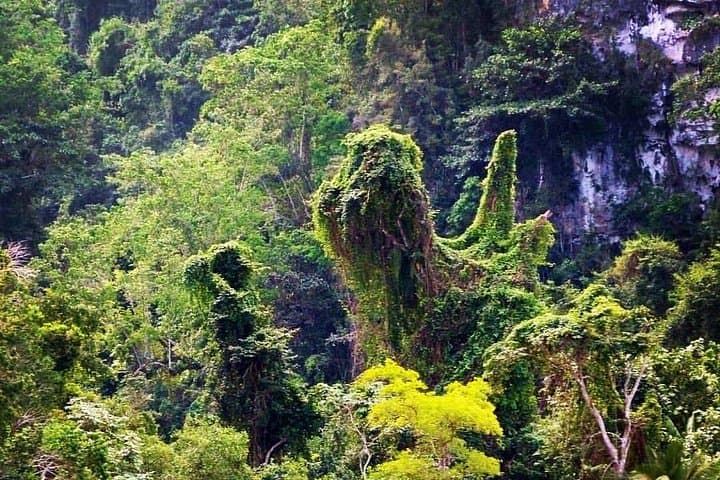
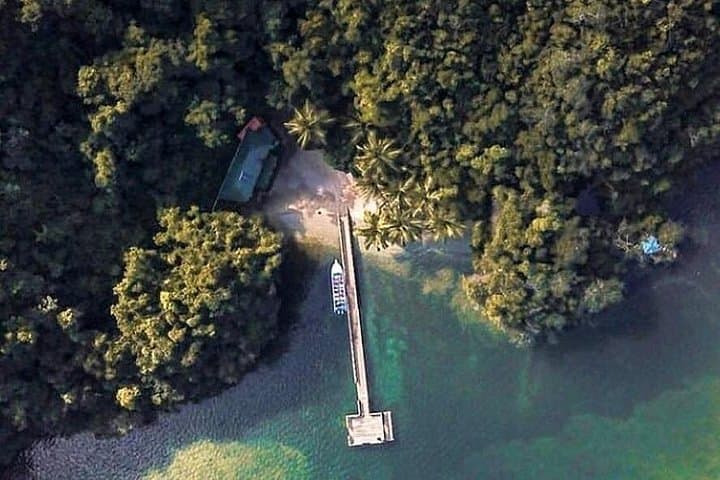
You step off the van at sunrise above Montana Redonda and the wind immediately rearranges the palms. The lookout drops away in wide, Caribbean-lighted fields and the jagged ridgelines of Los Haitises crouch like a green spine toward the sea. The boat ride that follows threads through mangrove tunnels where roots grip the mud and seabirds wheel overhead, daring you to keep up.
Verified experiences and guided adventures in the surrounding area.
Operated by The Whales Las Ballenas · Sabana de la Mar, Hato Mayor
You step off the van at sunrise above Montana Redonda and the wind immediately rearranges the palms. The lookout drops away in wide, Caribbean-lighted fields and the jagged ridgelines of Los Haitises crouch like a green spine toward the sea. The boat ride that follows threads through mangrove tunnels where roots grip the mud and seabirds wheel overhead, daring you to keep up.
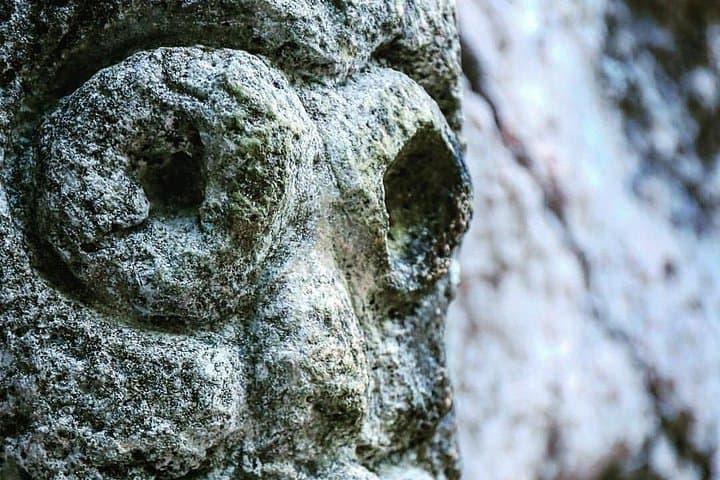
Los Haitises preserves a karst landscape carved from limestone—limestone caves, sinkholes, and isolated rocky cays that drew the Taíno centuries ago; you'll see cave pictographs and shallow caverns where colonial-era stories linger. The park’s mangrove systems and sea plains create a rare junction of coastal ecology and cultural history. Local fishing communities in Sabana de la Mar and Caño Hondo still cook by wood fires; the day’s lunch is a practical lesson in Dominican coastal cuisine.
Expect three cave visits, two distinct mangrove ecosystems, a swim at natural pools near Caño Hondo, and a short stroll to the Montana Redonda viewpoint. The terrain is flat to gently sloped, with boarding ladders on small boats and wet, uneven rock in some caves. Bring reef-safe sunscreen, quick-dry clothing, and sturdy sandals that can handle both boat decks and slippery rock.
Timing matters—early departures mean calmer water and better birding. Follow your guide’s safety briefings; tides and currents influence access to pools and caves. Leave no trace: these ecosystems are fragile and visible only because they remain protected.
easy.
10–12 hours.
Suitable for most fitness levels; able to board small boats, walk short uneven sections, and swim briefly.
This is a full-day excursion (about 10–12 hours). Pickup is early morning from Punta Cana hotels; exact times depend on itinerary and pick-up location.
Yes—transportation, lunch, and national park entry fees are typically included in this tour package.
The tour is marketed as suitable for most fitness levels, but expect boat ladders, wet rocks and steps—contact the operator ahead if wheelchair assistance is needed.
Yes—there’s time for swimming in natural pools at Caño Hondo; snorkeling options depend on conditions and are usually limited to shallow areas.
The park contains Taíno pictographs and archaeological sites; its karst caves were used for shelter and ceremonial purposes prior to European contact.
Los Haitises is a protected national park; stay on guided routes, avoid disturbing wildlife, and use reef-safe products to minimize impacts on mangroves and marine habitats.
The Whales Las Ballenas operates guided outdoor trips and adventures with an emphasis on safety, stewardship, and memorable experiences.
You step off the van at sunrise above Montana Redonda and the wind immediately rearranges the palms. The lookout drops away in wide, Caribbean-lighted fields and the jagged ridgelines of Los Haitises crouch like a green spine toward the sea. The boat ride that follows threads through mangrove tunnels where roots grip the mud and seabirds wheel overhead, daring you to keep up.
You step off the van at sunrise above Montana Redonda and the wind immediately rearranges the palms. The lookout drops away in wide, Caribbean-lighted fields and the jagged ridgelines of Los Haitises crouch like a green spine toward the sea. The boat ride that follows threads through mangrove tunnels where roots grip the mud and seabirds wheel overhead, daring you to keep up.
Los Haitises preserves a karst landscape carved from limestone—limestone caves, sinkholes, and isolated rocky cays that drew the Taíno centuries ago; you'll see cave pictographs and shallow caverns where colonial-era stories linger. The park’s mangrove systems and sea plains create a rare junction of coastal ecology and cultural history. Local fishing communities in Sabana de la Mar and Caño Hondo still cook by wood fires; the day’s lunch is a practical lesson in Dominican coastal cuisine.
Expect three cave visits, two distinct mangrove ecosystems, a swim at natural pools near Caño Hondo, and a short stroll to the Montana Redonda viewpoint. The terrain is flat to gently sloped, with boarding ladders on small boats and wet, uneven rock in some caves. Bring reef-safe sunscreen, quick-dry clothing, and sturdy sandals that can handle both boat decks and slippery rock.
Timing matters—early departures mean calmer water and better birding. Follow your guide’s safety briefings; tides and currents influence access to pools and caves. Leave no trace: these ecosystems are fragile and visible only because they remain protected.