THE ADVENTURE COLLECTIVE® · Independent discovery and booking for outdoor travel

Powerful zodiacs speed from Cabo San Lucas into the Pacific and the Sea of Cortez to search for wintering humpback whales, then pass the iconic El Arco and sea lion colonies. Expect expert guides, hydrophones for underwater song, and a brisk, visibility-focused experience.
Powerful zodiacs speed from Cabo San Lucas into the Pacific and the Sea of Cortez to search for wintering humpback whales, then pass the iconic El Arco and sea lion colonies. Expect expert guides, hydrophones for underwater song, and a brisk, visibility-focused experience.
The diesel note of the launch lowers and the bay opens: wind pushes the zodiac forward and the Pacific spreads like a moving plain. On a crisp morning out of Cabo San Lucas you feel the boat cut through glassy swells, hydrophones dipping to catch whale song and guides scanning the horizon for the telltale spout.
Verified experiences and guided adventures in the surrounding area.
Operated by Cabo Adventures · Cabo San Lucas, Baja California Sur
The diesel note of the launch lowers and the bay opens: wind pushes the zodiac forward and the Pacific spreads like a moving plain. On a crisp morning out of Cabo San Lucas you feel the boat cut through glassy swells, hydrophones dipping to catch whale song and guides scanning the horizon for the telltale spout.
This route sits where the Pacific meets the Sea of Cortez, a geological seam of uplifted granite and coastal erosion that carved the famous Arch (El Arco). Whalers, fishermen and modern eco-guides have long made these waters a crossroads of culture and commerce; today licensed operators follow migration windows and strict approach rules to protect the humpbacks that visit December–April.
Expect fast, inflatable zodiacs engineered for visibility and speed rather than onboard comforts — shade and restrooms are limited. The guides interpret behavior, explain migration patterns and pipe whale calls through hydrophones so you can hear clicks and moans beneath the surface. As you return, the zodiac threads past El Arco, the sea lion colony and Lovers Beach — dramatic granite giving way to white sand.
Practical edge: dress for wind and spray — layered, quick-drying clothing, a windproof shell and secure footwear. Bring sunscreen, a hat with a chin strap, a small daypack and motion-sickness remedies if you’re prone. Tours run about 2–2.5 hours on the water; arrive early, follow crew safety briefings and keep cameras ready but restrained by straps. Remember sightings aren’t guaranteed; conservation-focused operators prioritize animal welfare over close encounters, so patience is part of the experience.
moderate.
2–2.5 hours.
Moderate fitness required: ability to board an inflatable zodiac and stand for stretches of time on a moving craft.
Humpback whales typically arrive December through April; peak sightings are often January–March during migration and breeding.
Due to the zodiac design, onboard bathrooms and shade are generally not available; plan accordingly before boarding.
No — sightings are common but not guaranteed; operators follow rules to prioritize whale welfare over proximity.
This tour is not recommended for expectant mothers or travelers with serious back or cardiovascular issues due to movement and boat conditions.
Cabo’s maritime identity grew from fishing and sport-fishing; the granite arch is a product of coastal erosion on uplifted rock that frames centuries of seafaring activity.
Operators in the region follow distance and approach regulations to reduce disturbance; minimize single-use plastics and listen to guides about proper behavior around marine life.
Cabo Adventures operates guided outdoor trips and adventures with an emphasis on safety, stewardship, and memorable experiences.
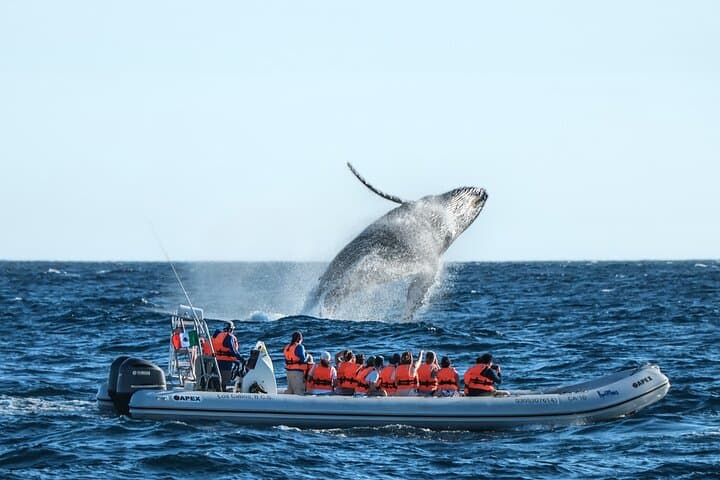
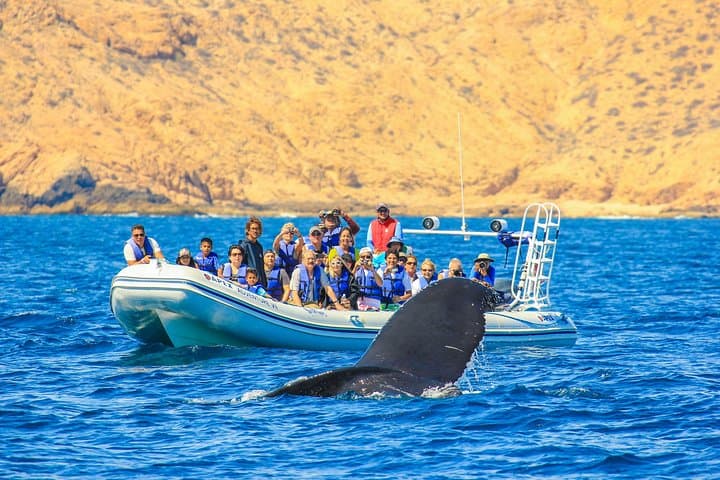
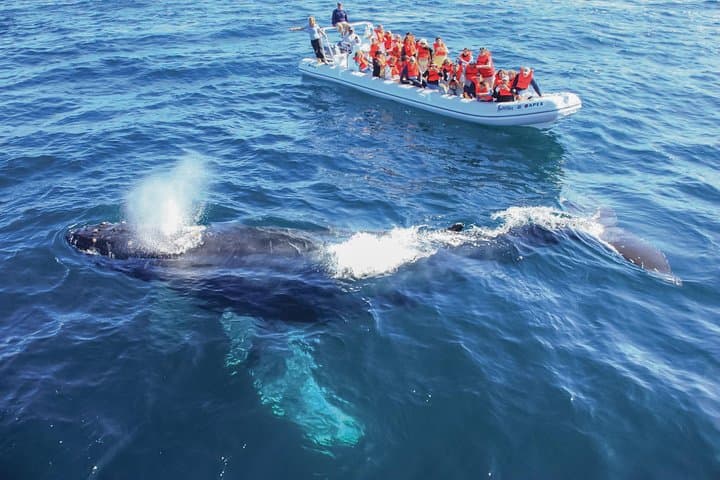
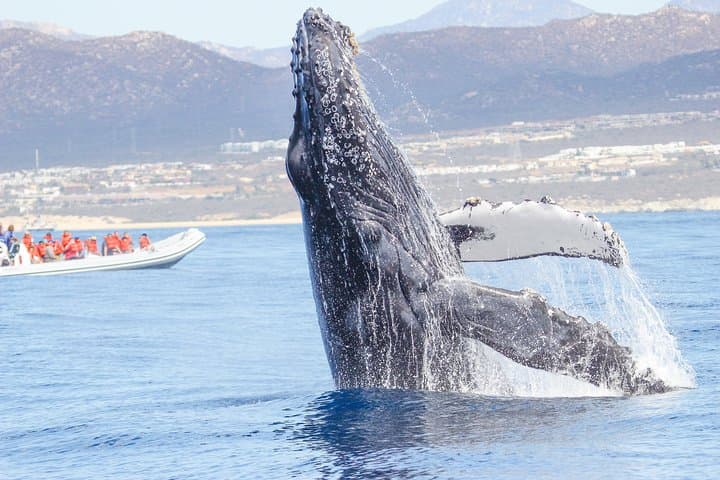
The diesel note of the launch lowers and the bay opens: wind pushes the zodiac forward and the Pacific spreads like a moving plain. On a crisp morning out of Cabo San Lucas you feel the boat cut through glassy swells, hydrophones dipping to catch whale song and guides scanning the horizon for the telltale spout.
The diesel note of the launch lowers and the bay opens: wind pushes the zodiac forward and the Pacific spreads like a moving plain. On a crisp morning out of Cabo San Lucas you feel the boat cut through glassy swells, hydrophones dipping to catch whale song and guides scanning the horizon for the telltale spout.
This route sits where the Pacific meets the Sea of Cortez, a geological seam of uplifted granite and coastal erosion that carved the famous Arch (El Arco). Whalers, fishermen and modern eco-guides have long made these waters a crossroads of culture and commerce; today licensed operators follow migration windows and strict approach rules to protect the humpbacks that visit December–April.
Expect fast, inflatable zodiacs engineered for visibility and speed rather than onboard comforts — shade and restrooms are limited. The guides interpret behavior, explain migration patterns and pipe whale calls through hydrophones so you can hear clicks and moans beneath the surface. As you return, the zodiac threads past El Arco, the sea lion colony and Lovers Beach — dramatic granite giving way to white sand.
Practical edge: dress for wind and spray — layered, quick-drying clothing, a windproof shell and secure footwear. Bring sunscreen, a hat with a chin strap, a small daypack and motion-sickness remedies if you’re prone. Tours run about 2–2.5 hours on the water; arrive early, follow crew safety briefings and keep cameras ready but restrained by straps. Remember sightings aren’t guaranteed; conservation-focused operators prioritize animal welfare over close encounters, so patience is part of the experience.