THE ADVENTURE COLLECTIVE® · Independent discovery and booking for outdoor travel

Join a guided turtle release on the beaches near San José del Cabo to adopt a hatchling and help it reach the ocean. This 2–3 hour eco-experience combines hands-on conservation, local natural history, and strict low-light protocols to maximize hatchling survival.
Join a guided turtle release on the beaches near San José del Cabo to adopt a hatchling and help it reach the ocean. This 2–3 hour eco-experience combines hands-on conservation, local natural history, and strict low-light protocols to maximize hatchling survival.
Sunlight slides low over a flat horizon as guides lead a small group down damp sand—the hatchlings are already stirring. On beaches outside San José del Cabo, the turtle release puts you within arm’s reach of a fragile first run: tiny flippers scrabble, the surf nudges, and a life that began under the dunes moves toward open water.
Verified experiences and guided adventures in the surrounding area.
Operated by CalypsoTrip · San José del Cabo, Baja California Sur
Sunlight slides low over a flat horizon as guides lead a small group down damp sand—the hatchlings are already stirring. On beaches outside San José del Cabo, the turtle release puts you within arm’s reach of a fragile first run: tiny flippers scrabble, the surf nudges, and a life that began under the dunes moves toward open water.
These beaches—locations rotate between La Bocana and Costa Azul depending on tides and nesting activity—sit where Pacific currents and the region’s volcanic coastline influence nesting success. Local conservation teams, many born of community programs started in the late 20th century, pair science with hands-on education: you’ll learn about species status, threats like beachfront lighting and plastic, and protocols that increase hatchling survival.
The experience is practical and intimate. Guides issue clear rules—no flash photography, minimal handling, and quick release—and provide an adoption certificate as part of the program. Evening light and ebbing tides are chosen to improve hatchling orientation; sometimes a wind-driven swell tests their resolve and yours.
Plan for a 2–3 hour outing including hotel pickup. Wear closed-toe shoes, bring a reusable water bottle, and keep lights dim (red filter if you must use a headlamp). Be ready for sand, occasional wind, and strict rules designed to protect the animals. If you go with respect and punctuality, you leave having directly helped a vulnerable species take its first steps into the ocean.
easy.
2–3 hours.
Suitable for all fitness levels; requires short walks on sand and standing during brief talks
Yes—children can participate but must be accompanied by an adult and follow all guide instructions for handling and safety.
Nesting and hatchling season typically runs from late spring through fall, with many releases scheduled between May and October depending on local conditions.
No—removing wildlife is illegal and harmful; releases are regulated and handled by conservation staff to ensure the turtles’ survival.
Most tours include hotel pickup and drop-off within specified areas; confirm your pickup point during booking and allow extra time for transfers.
Community-led nest protection in Los Cabos expanded in the late 20th century as tourism growth prompted organized conservation programs and volunteer-driven monitoring.
Releases support local protection efforts; visitors should minimize light, avoid beach furniture, and dispose of trash to reduce hazards for hatchlings.
CalypsoTrip operates guided outdoor trips and adventures with an emphasis on safety, stewardship, and memorable experiences.
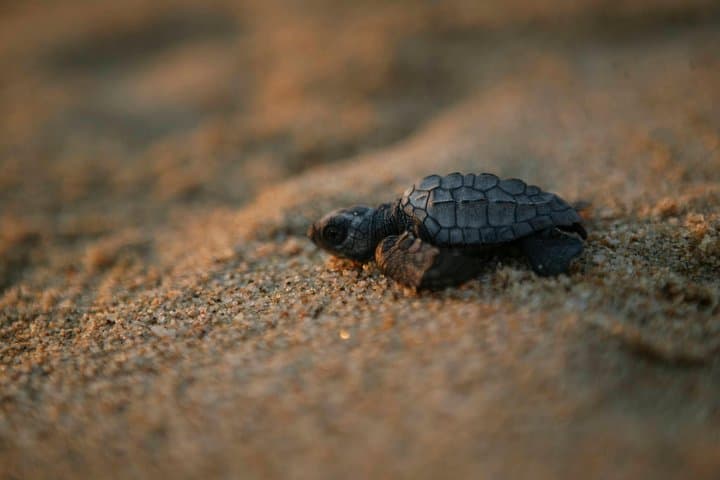
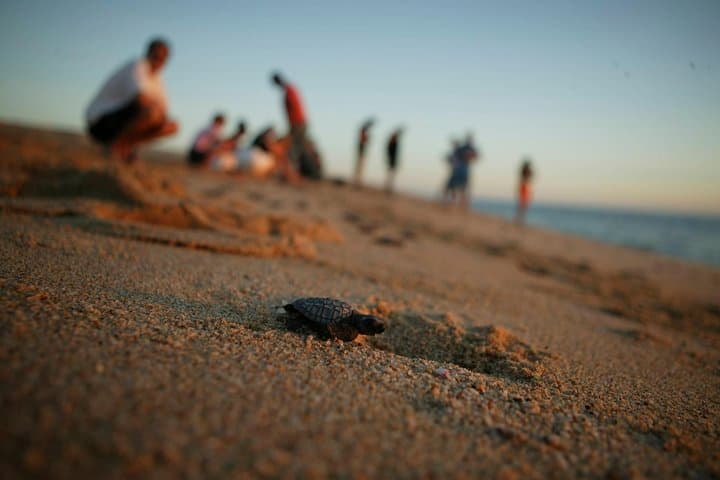
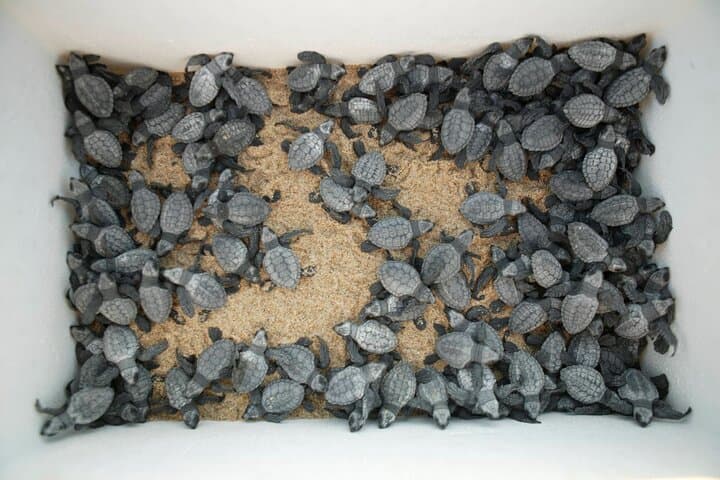
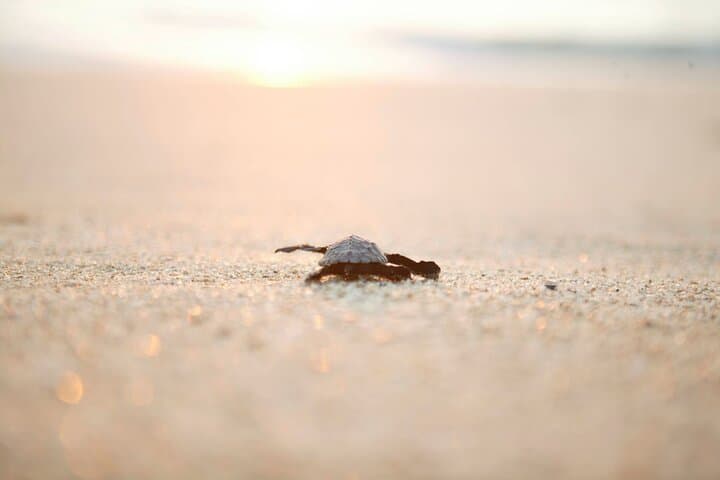
Sunlight slides low over a flat horizon as guides lead a small group down damp sand—the hatchlings are already stirring. On beaches outside San José del Cabo, the turtle release puts you within arm’s reach of a fragile first run: tiny flippers scrabble, the surf nudges, and a life that began under the dunes moves toward open water.
Sunlight slides low over a flat horizon as guides lead a small group down damp sand—the hatchlings are already stirring. On beaches outside San José del Cabo, the turtle release puts you within arm’s reach of a fragile first run: tiny flippers scrabble, the surf nudges, and a life that began under the dunes moves toward open water.
These beaches—locations rotate between La Bocana and Costa Azul depending on tides and nesting activity—sit where Pacific currents and the region’s volcanic coastline influence nesting success. Local conservation teams, many born of community programs started in the late 20th century, pair science with hands-on education: you’ll learn about species status, threats like beachfront lighting and plastic, and protocols that increase hatchling survival.
The experience is practical and intimate. Guides issue clear rules—no flash photography, minimal handling, and quick release—and provide an adoption certificate as part of the program. Evening light and ebbing tides are chosen to improve hatchling orientation; sometimes a wind-driven swell tests their resolve and yours.
Plan for a 2–3 hour outing including hotel pickup. Wear closed-toe shoes, bring a reusable water bottle, and keep lights dim (red filter if you must use a headlamp). Be ready for sand, occasional wind, and strict rules designed to protect the animals. If you go with respect and punctuality, you leave having directly helped a vulnerable species take its first steps into the ocean.