THE ADVENTURE COLLECTIVE® · Independent discovery and booking for outdoor travel

Spend an evening under Baja’s expansive sky with an expert guide who brings the moon, planets, and constellations into focus. This 2–3 hour Los Cabos stargazing tour pairs accessible astronomy with local stories and low-light beachfront or hillside viewing.
Spend an evening under Baja’s expansive sky with an expert guide who brings the moon, planets, and constellations into focus. This 2–3 hour Los Cabos stargazing tour pairs accessible astronomy with local stories and low-light beachfront or hillside viewing.
On a warm Cabo evening the Pacific wind carries salt and the low hum of distant traffic while the sky opens overhead — a wide, black canvas freckled with light. Participants gather on a beachfront or hillside; a scientist-guide adjusts a telescope and points out the moon’s craters while planets burn steady like small lanterns. The darkness here rewards the observer: the Baja peninsula’s dry air and relatively low humidity often yield crisp views of star clusters and nebulas.
Verified experiences and guided adventures in the surrounding area.
Operated by Blue Gate: Freediving & Expeditions · Cabo San Lucas, Baja California Sur
On a warm Cabo evening the Pacific wind carries salt and the low hum of distant traffic while the sky opens overhead — a wide, black canvas freckled with light. Participants gather on a beachfront or hillside; a scientist-guide adjusts a telescope and points out the moon’s craters while planets burn steady like small lanterns. The darkness here rewards the observer: the Baja peninsula’s dry air and relatively low humidity often yield crisp views of star clusters and nebulas.
The region’s human story is tied to the sky. Sea-faring pilots and Indigenous groups used stars for navigation and seasonal timing; modern guides weave those traditions into constellation lore. Geology plays a quieter role — the peninsula’s granite and volcanic outcrops form uncluttered ridgelines that make excellent viewing platforms, and low coastal development in parts of Los Cabos keeps light pollution manageable.
Practical guidance follows the scene: tours typically run about 2–3 hours, and many operators provide bottled water and a guide. Choose a location away from town lights — gardens, hilltops, or beaches give the best contrast. Bring a warm layer, a red-filter headlamp, and a camera with manual settings if you plan to photograph the Milky Way; tripods improve long exposures. Arrive early to let eyes adjust and plan around moon phase — a new moon reveals the most stars while a bright moon highlights lunar features. Be mindful of local wildlife and private property when moving to find darker spots, and respect instructions about flash photography and equipment placement.
The tour balances quiet observation with accessible science, making it suitable for families and serious sky-watchers alike.
easy.
2–3 hours.
Suitable for all fitness levels; requires minimal walking and mostly standing.
Most experiences last about 2–3 hours; the scheduled time (150 minutes) allows for setup, guided observation, and Q&A.
Yes — the activity is classified as easy and involves minimal physical exertion; infants should sit on a lap and accessibility options are typically available.
Yes, but guides ask that you minimize bright screens and flash; bring a camera with manual settings and a tripod for best results.
Tours often cancel or reschedule for a full refund if poor weather prevents star visibility; confirm the operator’s cancellation policy before booking.
Stars long guided maritime routes and local agricultural calendars; guides often share Indigenous and colonial-era celestial stories that explain constellations and seasons.
Light pollution is the primary local concern — choose low-light locations and follow leave-no-trace principles; operators encourage turning off nonessential lights and avoiding bright flashes.
Blue Gate: Freediving & Expeditions operates guided outdoor trips and adventures with an emphasis on safety, stewardship, and memorable experiences.
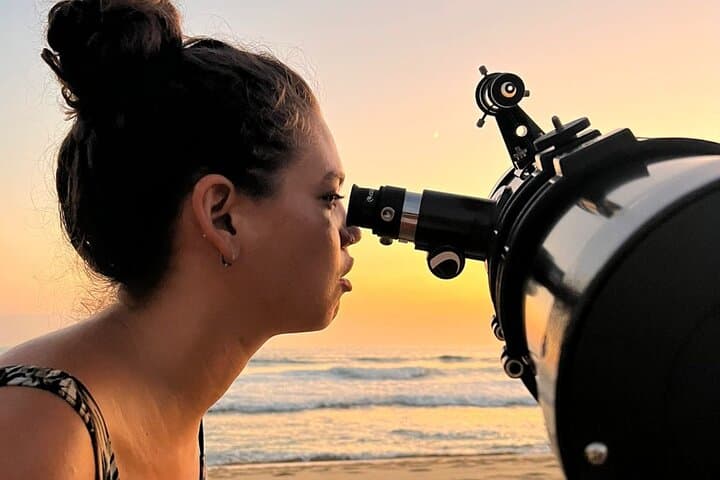
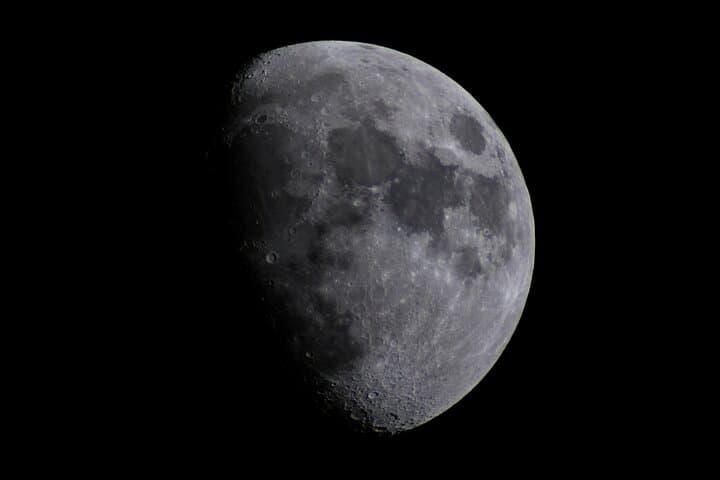
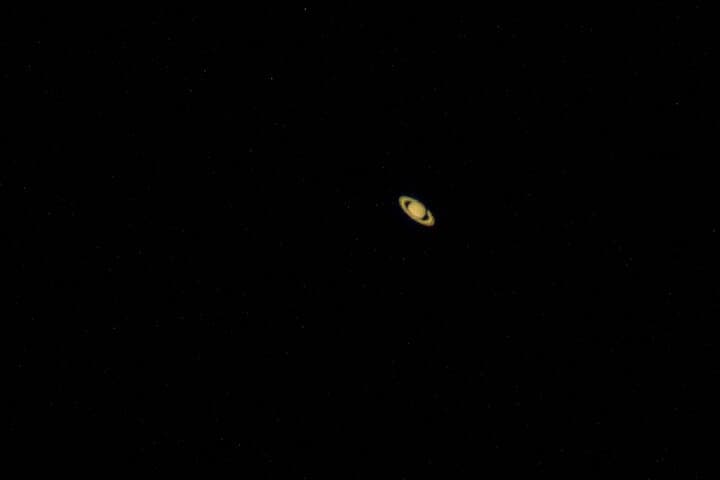
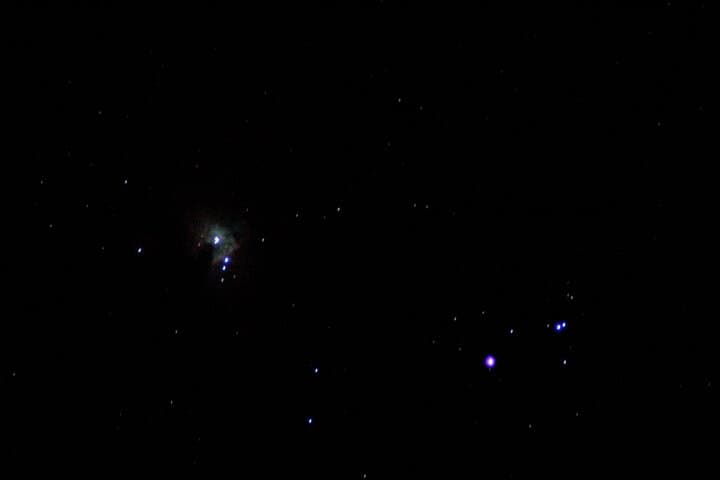
On a warm Cabo evening the Pacific wind carries salt and the low hum of distant traffic while the sky opens overhead — a wide, black canvas freckled with light. Participants gather on a beachfront or hillside; a scientist-guide adjusts a telescope and points out the moon’s craters while planets burn steady like small lanterns. The darkness here rewards the observer: the Baja peninsula’s dry air and relatively low humidity often yield crisp views of star clusters and nebulas.
On a warm Cabo evening the Pacific wind carries salt and the low hum of distant traffic while the sky opens overhead — a wide, black canvas freckled with light. Participants gather on a beachfront or hillside; a scientist-guide adjusts a telescope and points out the moon’s craters while planets burn steady like small lanterns. The darkness here rewards the observer: the Baja peninsula’s dry air and relatively low humidity often yield crisp views of star clusters and nebulas.
The region’s human story is tied to the sky. Sea-faring pilots and Indigenous groups used stars for navigation and seasonal timing; modern guides weave those traditions into constellation lore. Geology plays a quieter role — the peninsula’s granite and volcanic outcrops form uncluttered ridgelines that make excellent viewing platforms, and low coastal development in parts of Los Cabos keeps light pollution manageable.
Practical guidance follows the scene: tours typically run about 2–3 hours, and many operators provide bottled water and a guide. Choose a location away from town lights — gardens, hilltops, or beaches give the best contrast. Bring a warm layer, a red-filter headlamp, and a camera with manual settings if you plan to photograph the Milky Way; tripods improve long exposures. Arrive early to let eyes adjust and plan around moon phase — a new moon reveals the most stars while a bright moon highlights lunar features. Be mindful of local wildlife and private property when moving to find darker spots, and respect instructions about flash photography and equipment placement.
The tour balances quiet observation with accessible science, making it suitable for families and serious sky-watchers alike.