THE ADVENTURE COLLECTIVE® · Independent discovery and booking for outdoor travel

Explore Angelino Heights, Hancock Park and South Carthay on a focused half-day private tour that walks and drives through Los Angeles’ earliest suburbs. Learn architectural styles, local history and stop at the tar pits for a living link to the Pleistocene.
Explore Angelino Heights, Hancock Park and South Carthay on a focused half-day private tour that walks and drives through Los Angeles’ earliest suburbs. Learn architectural styles, local history and stop at the tar pits for a living link to the Pleistocene.
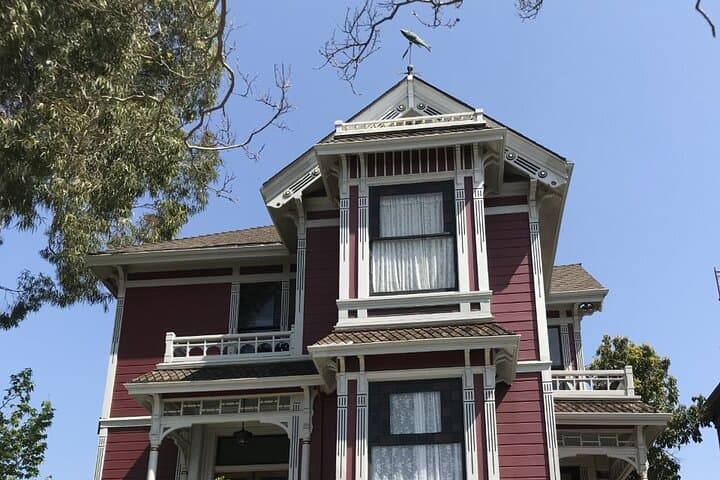
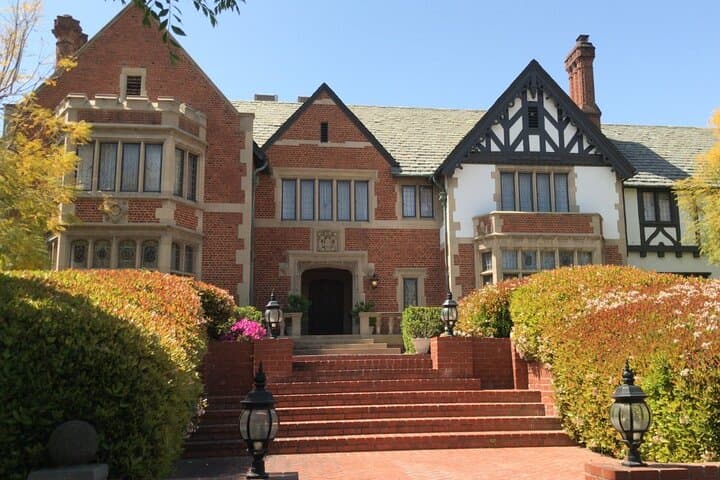
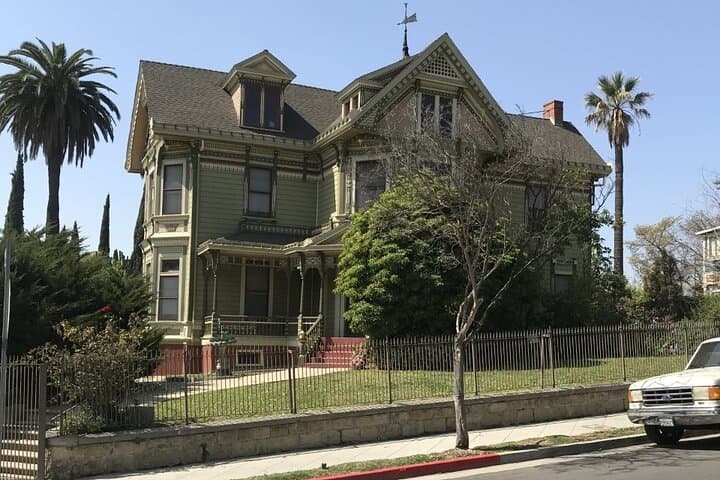
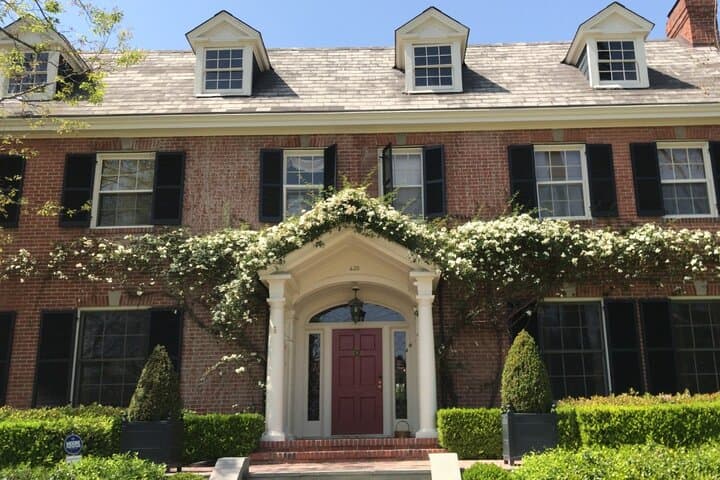
You step out on Crescent Heights as the city hums around you and a white Chevy Volt waits at the curb — a compact portal into Los Angeles’ quieter past. Narrow streets give way to blocks of painted Victorians, tidy Craftsman porches and the low-slung arches of Spanish Colonial Revival homes; street trees lean in as if eavesdropping on a century of neighborhood stories.
Verified experiences and guided adventures in the surrounding area.
Operated by Alberto Cioni Inc · Los Angeles, California
You step out on Crescent Heights as the city hums around you and a white Chevy Volt waits at the curb — a compact portal into Los Angeles’ quieter past. Narrow streets give way to blocks of painted Victorians, tidy Craftsman porches and the low-slung arches of Spanish Colonial Revival homes; street trees lean in as if eavesdropping on a century of neighborhood stories.
These districts date to LA’s earliest suburban boom when the city numbered in the tens of thousands rather than millions. Angelino Heights preserves pre-1900 Victorian silhouettes; Hancock Park reflects 1920s period-revival ambitions tied to the Rancho La Brea landholdings; South Carthay captures 1930s Spanish Colonial ideals. Geology punctuates the route at La Brea — asphaltic seeps that trapped Pleistocene mammals and now surface as tar pits that still exhale an ancient past.
Culturally the tour traces class, migration and design trends: speculative subdivisions for a growing middle class, wealthy enclaves built with Mediterranean fantasies, and street-level adaptations that reflect immigrant craftsmanship.
Practical guidance: expect about four hours with short on-foot stops spaced along a driving route; surfaces are urban sidewalks and short lawns, mostly level but with occasional curb steps. Bring a sun hat and water for warmer months, wear supportive shoes for walking between view, and plan arrival or pickup at Crescent Heights and Pico. The tour is private and accessible — useful for photographers, architecture buffs and anyone wanting a compact primer on Los Angeles’ built landscape.
easy.
4 hours.
Suitable for most fitness levels; requires standing and short walks between sites.
The tour mixes driving with several 15–30 minute stops on foot in each district; expect light walking on sidewalks and short curbs.
No — the itinerary includes the tar pits as a stop but museum admission is not included.
Yes — the provider notes wheelchair-accessible transportation and most viewing areas are reachable from paved sidewalks, though some yards have steps.
It’s a private tour, so guides can often adjust timing or emphasize specific districts or architectural themes if requested in advance.
These districts reflect Los Angeles’ transition from 19th-century suburbs to 20th-century revival styles; many are protected by local historic preservation overlays (HPOZs).
Neighborhoods rely on HPOZ rules and community advocacy to preserve architectural character; La Brea Tar Pits are also a managed paleontological site balancing research access with public education.
Alberto Cioni Inc operates guided outdoor trips and adventures with an emphasis on safety, stewardship, and memorable experiences.
You step out on Crescent Heights as the city hums around you and a white Chevy Volt waits at the curb — a compact portal into Los Angeles’ quieter past. Narrow streets give way to blocks of painted Victorians, tidy Craftsman porches and the low-slung arches of Spanish Colonial Revival homes; street trees lean in as if eavesdropping on a century of neighborhood stories.
You step out on Crescent Heights as the city hums around you and a white Chevy Volt waits at the curb — a compact portal into Los Angeles’ quieter past. Narrow streets give way to blocks of painted Victorians, tidy Craftsman porches and the low-slung arches of Spanish Colonial Revival homes; street trees lean in as if eavesdropping on a century of neighborhood stories.
These districts date to LA’s earliest suburban boom when the city numbered in the tens of thousands rather than millions. Angelino Heights preserves pre-1900 Victorian silhouettes; Hancock Park reflects 1920s period-revival ambitions tied to the Rancho La Brea landholdings; South Carthay captures 1930s Spanish Colonial ideals. Geology punctuates the route at La Brea — asphaltic seeps that trapped Pleistocene mammals and now surface as tar pits that still exhale an ancient past.
Culturally the tour traces class, migration and design trends: speculative subdivisions for a growing middle class, wealthy enclaves built with Mediterranean fantasies, and street-level adaptations that reflect immigrant craftsmanship.
Practical guidance: expect about four hours with short on-foot stops spaced along a driving route; surfaces are urban sidewalks and short lawns, mostly level but with occasional curb steps. Bring a sun hat and water for warmer months, wear supportive shoes for walking between view, and plan arrival or pickup at Crescent Heights and Pico. The tour is private and accessible — useful for photographers, architecture buffs and anyone wanting a compact primer on Los Angeles’ built landscape.