THE ADVENTURE COLLECTIVE® · Independent discovery and booking for outdoor travel

Step inside one of Europe’s most intact medieval complexes: half-timbered halls, a 900-year-old chapel and a 500-year-old garden in central Warwick. This guide explains what to expect, why the site matters, and how to plan a sensible visit.
Step inside one of Europe’s most intact medieval complexes: half-timbered halls, a 900-year-old chapel and a 500-year-old garden in central Warwick. This guide explains what to expect, why the site matters, and how to plan a sensible visit.
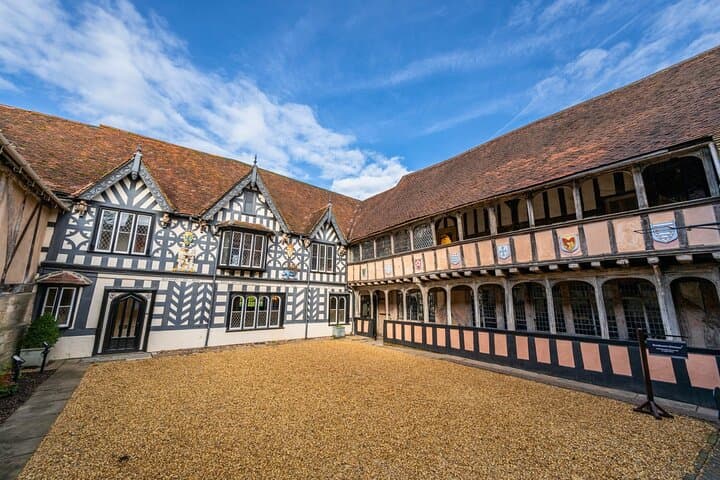
A step through the low arched doorway and the town noise falls away; timbered beams and flagstone floors redirect you into a different pace. Light filters through leaded glass onto painted benches, the Master's Garden beyond breathing a green, slow rhythm that seems to measure the centuries.
Verified experiences and guided adventures in the surrounding area.
Operated by The Lord Leycester · Warwick, Warwickshire
A step through the low arched doorway and the town noise falls away; timbered beams and flagstone floors redirect you into a different pace. Light filters through leaded glass onto painted benches, the Master's Garden beyond breathing a green, slow rhythm that seems to measure the centuries.
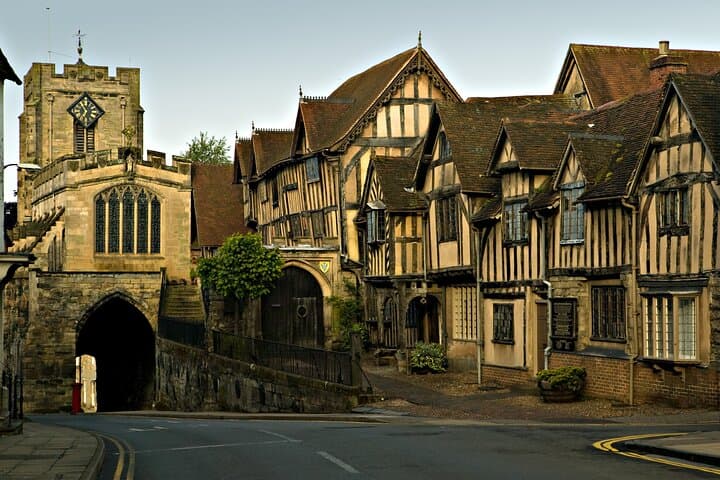
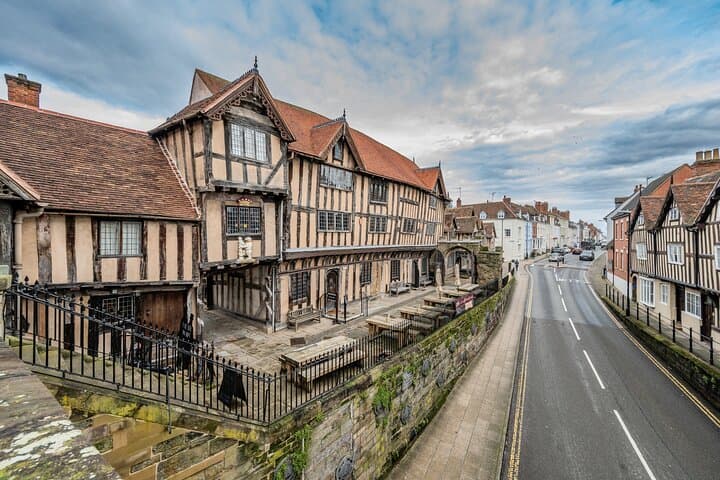
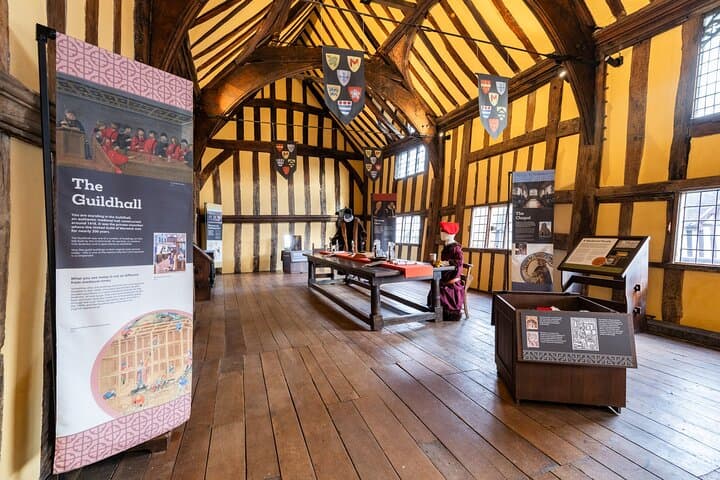
The Lord Leycester began as a 14th-century guildhall complex, grown around medieval banqueting spaces and a chapel that predates much of the town. Robert Dudley, Earl of Leicester, reshaped the buildings in the late 16th century and established a home for retired soldiers known as the Brethren—a purpose that continues in vestigial form today. The buildings sit on the old route beside Warwick’s West Gate, where timber framing and lime mortar tell a story of local masons and civic guilds rather than grand architects.
Cobbled lanes, carved beams and the chapel’s simple stonework reflect practical, civic religion and Tudor-era patronage more than ostentation. The Master's Garden—about 500 years old—offers seasonal structure: clipped yews, herb beds and tucked seating that attract sparrows and the occasional wary squirrel.
Practicalities: allow 1–2 hours to move through the galleries, gardens and chapel at an unhurried pace. The site is largely accessible by foot and public transport; expect some uneven paving and historic stairs. Pick a dry day for the garden and a midweek morning to avoid peak school visits. Refreshments are available on-site and admission includes a 12-month return, so plan a repeat visit to see the garden in another season.
easy.
1–2 hours.
Minimal fitness required; mostly short walks and standing. Some historic stairs may be encountered.
Most visitors spend 1–2 hours exploring the halls, chapel and garden; use the included 12-month return if you want to see the grounds in another season.
The Lord Leycester offers wheelchair access to key areas, though some historic spaces and thresholds may be uneven—contact the venue for specifics on routes.
Yes—there is an on-site café and restrooms; the café serves light meals and refreshments during opening hours.
Yes—there are free children’s activity trails and the site is family friendly, though supervise kids around low railings and historic displays.
Built by medieval guilds in 1380 and later acquired by Robert Dudley in 1571, the complex also housed a charitable home for retired soldiers—the Brethren—continuing its civic role for over 450 years.
A £5m restoration completed in 2023 focused on preserving original timber and stone while upgrading visitor facilities; visitors are asked to follow wayfinding and avoid touching fragile surfaces.
The Lord Leycester operates guided outdoor trips and adventures with an emphasis on safety, stewardship, and memorable experiences.
A step through the low arched doorway and the town noise falls away; timbered beams and flagstone floors redirect you into a different pace. Light filters through leaded glass onto painted benches, the Master's Garden beyond breathing a green, slow rhythm that seems to measure the centuries.
A step through the low arched doorway and the town noise falls away; timbered beams and flagstone floors redirect you into a different pace. Light filters through leaded glass onto painted benches, the Master's Garden beyond breathing a green, slow rhythm that seems to measure the centuries.
The Lord Leycester began as a 14th-century guildhall complex, grown around medieval banqueting spaces and a chapel that predates much of the town. Robert Dudley, Earl of Leicester, reshaped the buildings in the late 16th century and established a home for retired soldiers known as the Brethren—a purpose that continues in vestigial form today. The buildings sit on the old route beside Warwick’s West Gate, where timber framing and lime mortar tell a story of local masons and civic guilds rather than grand architects.
Cobbled lanes, carved beams and the chapel’s simple stonework reflect practical, civic religion and Tudor-era patronage more than ostentation. The Master's Garden—about 500 years old—offers seasonal structure: clipped yews, herb beds and tucked seating that attract sparrows and the occasional wary squirrel.
Practicalities: allow 1–2 hours to move through the galleries, gardens and chapel at an unhurried pace. The site is largely accessible by foot and public transport; expect some uneven paving and historic stairs. Pick a dry day for the garden and a midweek morning to avoid peak school visits. Refreshments are available on-site and admission includes a 12-month return, so plan a repeat visit to see the garden in another season.