THE ADVENTURE COLLECTIVE® · Independent discovery and booking for outdoor travel

A day trip from Abraão delivers nearly 3 km of white sand, surfable swell and an easy forest walk to Lopes Mendes—one of Brazil’s most acclaimed beaches. This guide covers what to expect, local context, and practical tips to plan a safe, sustainable visit.
A day trip from Abraão delivers nearly 3 km of white sand, surfable swell and an easy forest walk to Lopes Mendes—one of Brazil’s most acclaimed beaches. This guide covers what to expect, local context, and practical tips to plan a safe, sustainable visit.
You step off the schooner onto a narrow strip of sand, wind already shaping the breakers into clean, surfable faces; the ocean seems to dare you forward while almond trees offer cool pockets of shade. Lopes Mendes opens like a long, bright breath—nearly 3 kilometers of pale sand framed by low dunes and Atlantic Forest that hums with insect and bird song.
Verified experiences and guided adventures in the surrounding area.
Operated by Paraty Tours · Abraão, Rio de Janeiro
You step off the schooner onto a narrow strip of sand, wind already shaping the breakers into clean, surfable faces; the ocean seems to dare you forward while almond trees offer cool pockets of shade. Lopes Mendes opens like a long, bright breath—nearly 3 kilometers of pale sand framed by low dunes and Atlantic Forest that hums with insect and bird song.
The island's history is braided with colonial-era maps, once a waypoint for sailors and a refuge for quilombos and later a prison site before tourism reshaped its economy. Geologically, Ilha Grande is a rounded remnant of ancient coastal mountains—granite and gneiss outcrops back the beach and the sand is a product of longshore currents and eroded rock.
Locally, Abraão is the hub: a compact village with pousadas, eateries serving fresh fish and coconut water, and boatmen who have ferried visitors for generations. Cultura here favors relaxed rhythms—expect barefoot paths, late lunches, and friendly practicality.
Practical guidance: most tours combine a 30-minute boat from Abraão to Praia do Pouso and a short trek (about 5–20 minutes depending on route and pace) to Lopes Mendes. Swells can be significant—good for surfers, cautious for casual swimmers. Bring reef-safe sunscreen, a water shoe for rocky entries, and a light pack with water and snacks.
Timing matters: go early to secure shade and quieter sand; afternoons bring stronger onshore winds and more boat traffic. Respect local signage—dunes and vegetation recover slowly—and pack out what you bring in. For a day on Ilha Grande, balance curiosity with common-sense safety and you’ll leave with salt on your skin and a clearer idea why this beach ranks among Brazil’s most celebrated.
easy.
5–7 hours (typical day trip).
Light fitness recommended — able to walk 10–30 minutes over sandy and uneven trail sections and handle some stairs.
The boat leg takes about 25–35 minutes depending on sea conditions and the type of vessel.
No — the most common route from Praia do Pouso is short (5–20 minutes) and suitable for most fitness levels, though sand and uneven ground require steady footing.
Yes—Lopes Mendes receives consistent swell and is popular with surfers, though conditions vary; local operators can advise about surf and currents on the day.
Facilities are minimal—bring water, snacks, and shade; basic kiosks sometimes operate seasonally but should not be relied upon.
Ilha Grande’s islands were used by colonial navigators and later became a mix of small fishing communities and isolated settlements before tourism expanded in the 20th century.
Ilha Grande is within protected areas of the Atlantic Forest; visitors are asked to avoid trampling dunes, use reef-safe sunscreen, and carry out waste to minimize impact.
Paraty Tours operates guided outdoor trips and adventures with an emphasis on safety, stewardship, and memorable experiences.
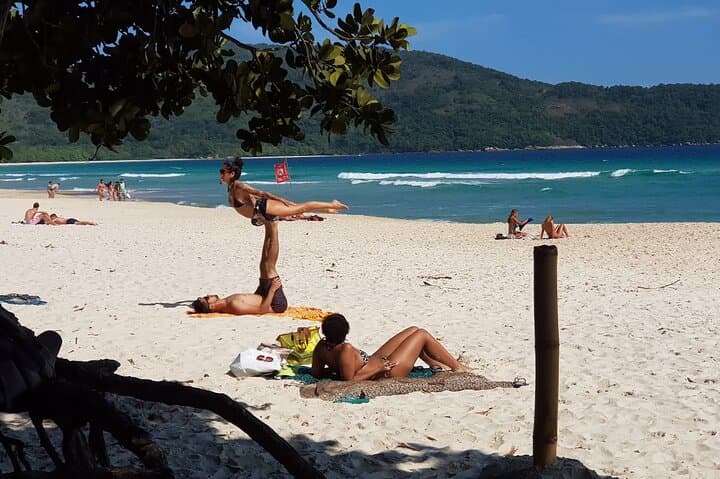
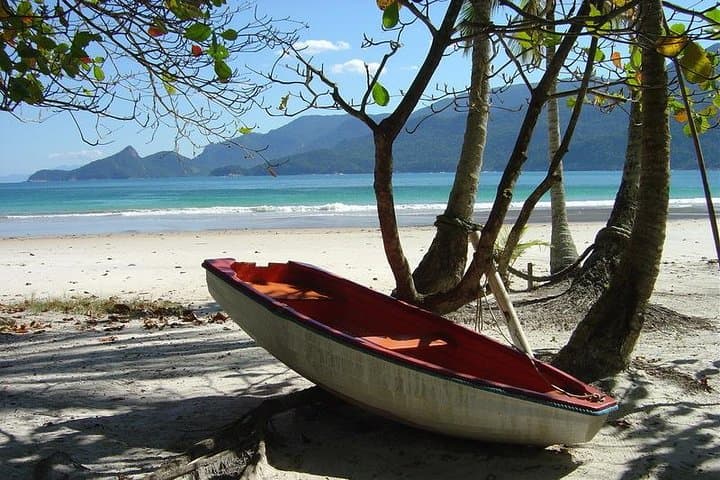
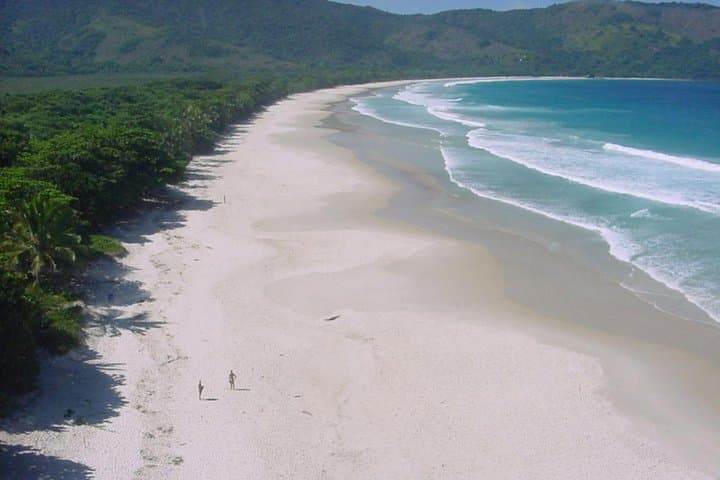
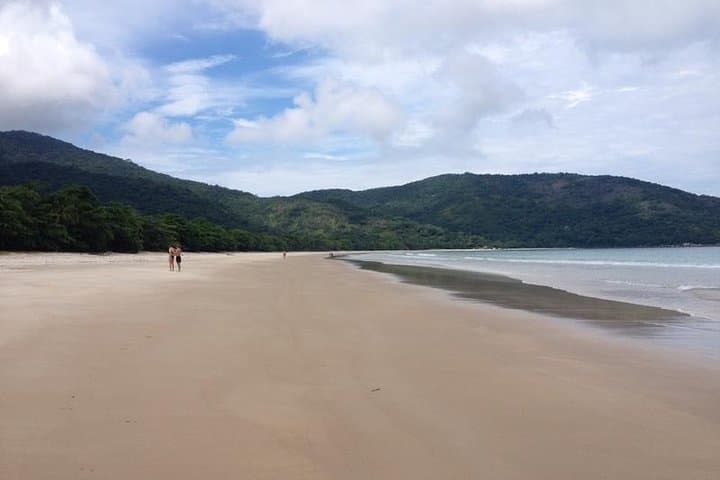
You step off the schooner onto a narrow strip of sand, wind already shaping the breakers into clean, surfable faces; the ocean seems to dare you forward while almond trees offer cool pockets of shade. Lopes Mendes opens like a long, bright breath—nearly 3 kilometers of pale sand framed by low dunes and Atlantic Forest that hums with insect and bird song.
You step off the schooner onto a narrow strip of sand, wind already shaping the breakers into clean, surfable faces; the ocean seems to dare you forward while almond trees offer cool pockets of shade. Lopes Mendes opens like a long, bright breath—nearly 3 kilometers of pale sand framed by low dunes and Atlantic Forest that hums with insect and bird song.
The island's history is braided with colonial-era maps, once a waypoint for sailors and a refuge for quilombos and later a prison site before tourism reshaped its economy. Geologically, Ilha Grande is a rounded remnant of ancient coastal mountains—granite and gneiss outcrops back the beach and the sand is a product of longshore currents and eroded rock.
Locally, Abraão is the hub: a compact village with pousadas, eateries serving fresh fish and coconut water, and boatmen who have ferried visitors for generations. Cultura here favors relaxed rhythms—expect barefoot paths, late lunches, and friendly practicality.
Practical guidance: most tours combine a 30-minute boat from Abraão to Praia do Pouso and a short trek (about 5–20 minutes depending on route and pace) to Lopes Mendes. Swells can be significant—good for surfers, cautious for casual swimmers. Bring reef-safe sunscreen, a water shoe for rocky entries, and a light pack with water and snacks.
Timing matters: go early to secure shade and quieter sand; afternoons bring stronger onshore winds and more boat traffic. Respect local signage—dunes and vegetation recover slowly—and pack out what you bring in. For a day on Ilha Grande, balance curiosity with common-sense safety and you’ll leave with salt on your skin and a clearer idea why this beach ranks among Brazil’s most celebrated.