THE ADVENTURE COLLECTIVE® · Independent discovery and booking for outdoor travel

Walk the streets and quays of Looe where BBC's Beyond Paradise filmed key scenes. This 2-mile, 90-minute guided tour mixes local history, coastal geology and on-set stories with riverside views.
Walk the streets and quays of Looe where BBC's Beyond Paradise filmed key scenes. This 2-mile, 90-minute guided tour mixes local history, coastal geology and on-set stories with riverside views.
You step off the quay and the river pulls your eye east: old stone bridges, a seven-arched span, and fishermen’s crates stacked like stage props. Wind from the English Channel tugs at the hem of your jacket as the guide begins, pointing out façades and lanes that doubled for the fictional Shipton Abbot.
Verified experiences and guided adventures in the surrounding area.
Operated by Lucy Daniel guide · Looe, Cornwall
You step off the quay and the river pulls your eye east: old stone bridges, a seven-arched span, and fishermen’s crates stacked like stage props. Wind from the English Channel tugs at the hem of your jacket as the guide begins, pointing out façades and lanes that doubled for the fictional Shipton Abbot.
Looe’s compact harbor town has a working-port history dating to medieval fishing and coastal trade; its narrow streets and riverside houses make it an easy stand-in for television’s picture-book Cornwall. Geologically, the shoreline here is softer slate and Devonian sediments, sculpted by tides that still shape crossings and quays. Locals prize the river’s ebb and flow, and you’ll hear seafaring stories as readily as production anecdotes — how a bridge angle read better on camera, or where a cottage doubled for a shopfront.
The walk is about 2 miles on paved roads and town paths, taking roughly 90 minutes with frequent stops for photos and commentary. Routes stay low in elevation; expect a few steps and narrow pavements rather than rough trails. A short optional ferry crossing may operate depending on tides and timetable.
Practical tips: wear grippy walking shoes and a weatherproof layer; tides and wind can change conditions quickly. Bring a small daypack, water, and a camera with a zoom for architectural details. Tours are friendly and interactive — guides welcome questions and will tailor anecdotes to the group. Arrive 10–15 minutes early to get oriented on the quay and make the most of riverside light for photos.
easy.
1.5 hours (90 minutes).
Suitable for most fitness levels; minimal elevation and mostly paved surfaces.
The guided route covers roughly 2 miles and runs about 90 minutes with multiple stops for photos and commentary.
No—ferry service is optional and operates only when tides and the local ferry timetable permit; the guide will confirm on the day.
Most of the walk is on roads and made-up paths; some narrow pavements and quayside areas may be restrictive—contact the operator for current accessibility details.
Shared tours are small, typically limited to eight participants, allowing for a conversational guiding style and easy movement through town.
Looe developed as a working fishing port from medieval times; its tight streets and harbor were practical trade features that later lent themselves to film production.
Stick to marked paths, avoid disturbing nesting birds, and carry out all waste; Looe Island is a protected nature reserve and sensitive to visitor disturbance.
Lucy Daniel guide operates guided outdoor trips and adventures with an emphasis on safety, stewardship, and memorable experiences.
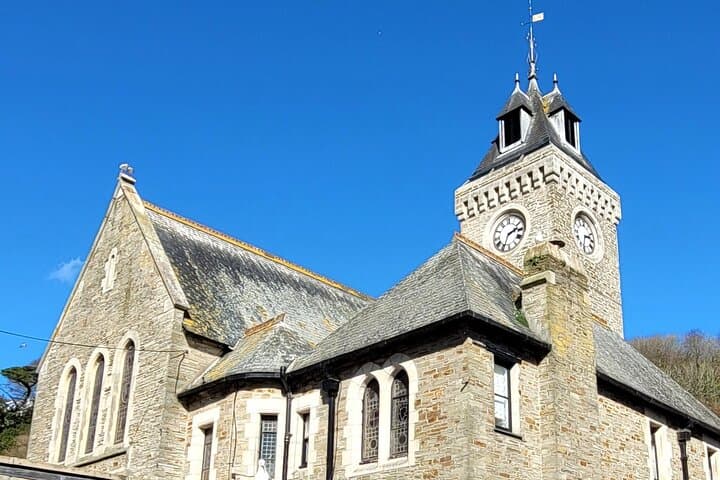
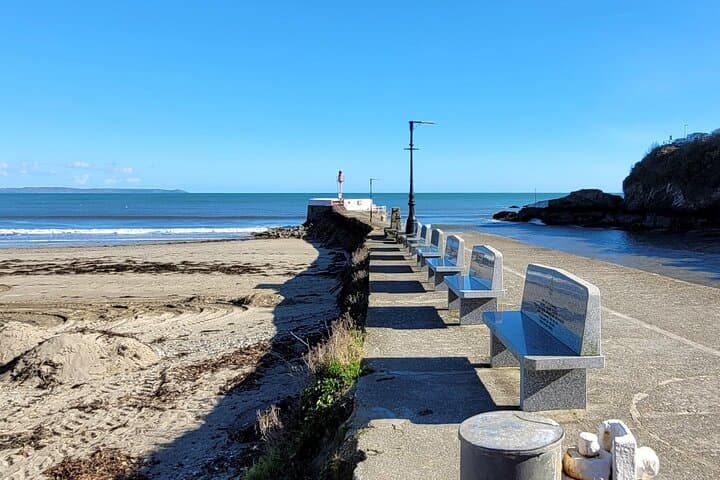
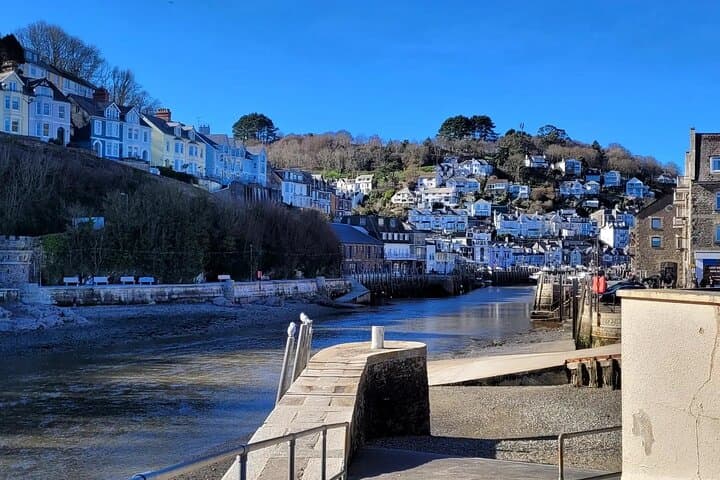
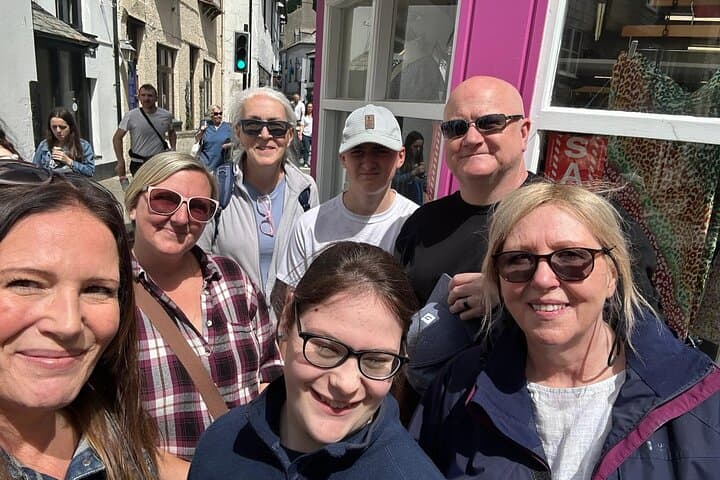
You step off the quay and the river pulls your eye east: old stone bridges, a seven-arched span, and fishermen’s crates stacked like stage props. Wind from the English Channel tugs at the hem of your jacket as the guide begins, pointing out façades and lanes that doubled for the fictional Shipton Abbot.
You step off the quay and the river pulls your eye east: old stone bridges, a seven-arched span, and fishermen’s crates stacked like stage props. Wind from the English Channel tugs at the hem of your jacket as the guide begins, pointing out façades and lanes that doubled for the fictional Shipton Abbot.
Looe’s compact harbor town has a working-port history dating to medieval fishing and coastal trade; its narrow streets and riverside houses make it an easy stand-in for television’s picture-book Cornwall. Geologically, the shoreline here is softer slate and Devonian sediments, sculpted by tides that still shape crossings and quays. Locals prize the river’s ebb and flow, and you’ll hear seafaring stories as readily as production anecdotes — how a bridge angle read better on camera, or where a cottage doubled for a shopfront.
The walk is about 2 miles on paved roads and town paths, taking roughly 90 minutes with frequent stops for photos and commentary. Routes stay low in elevation; expect a few steps and narrow pavements rather than rough trails. A short optional ferry crossing may operate depending on tides and timetable.
Practical tips: wear grippy walking shoes and a weatherproof layer; tides and wind can change conditions quickly. Bring a small daypack, water, and a camera with a zoom for architectural details. Tours are friendly and interactive — guides welcome questions and will tailor anecdotes to the group. Arrive 10–15 minutes early to get oriented on the quay and make the most of riverside light for photos.