THE ADVENTURE COLLECTIVE® · Independent discovery and booking for outdoor travel

Walk the cliffside galleries of Longmen Grottoes with a private guide and close, quiet access to some of China’s most important Buddhist carvings. This half‑day tour blends art history, geology, and practical route guidance for visitors coming from Luoyang.
Walk the cliffside galleries of Longmen Grottoes with a private guide and close, quiet access to some of China’s most important Buddhist carvings. This half‑day tour blends art history, geology, and practical route guidance for visitors coming from Luoyang.
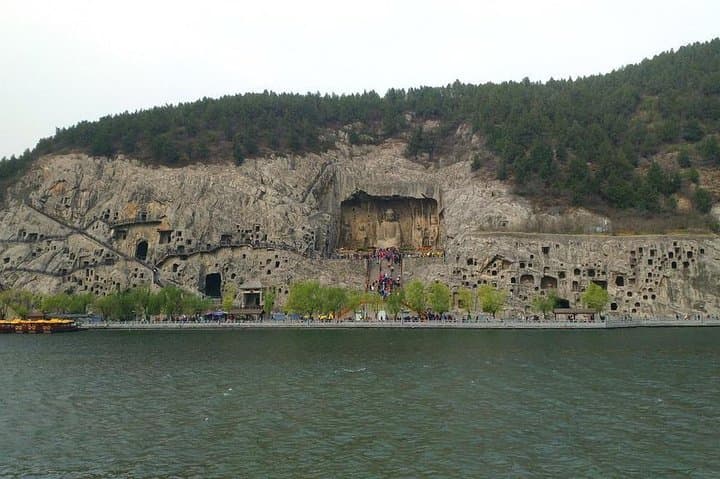
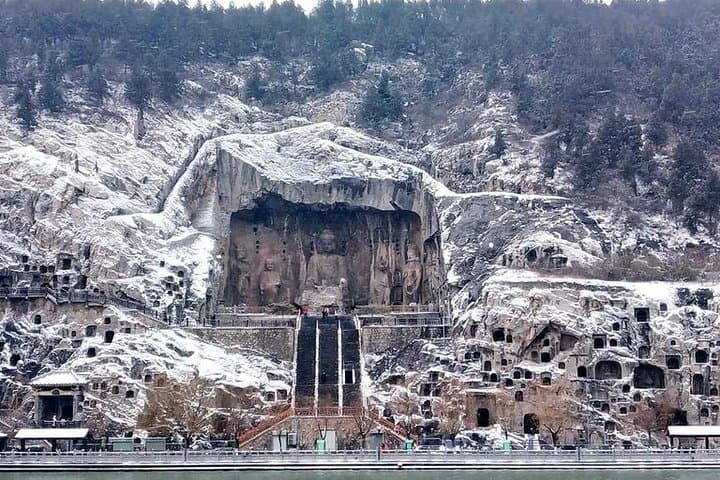
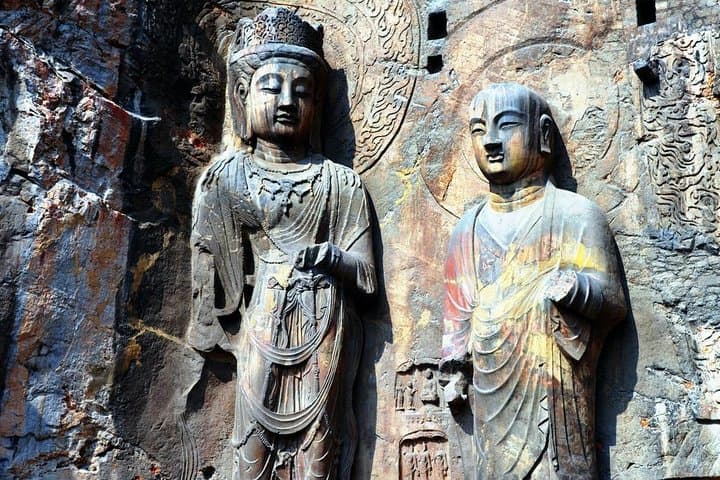
Morning light slants across the Yi River as the guide leads you up a stone approach toward rows of carved faces and tiny temple mouths cut into limestone. The cliffside breathes history; water and wind have worked the rock into niches that hold figures both calm and watchful, each plane marked by centuries of hands.
Verified experiences and guided adventures in the surrounding area.
Operated by Beijing Tour Guide · Luoyang, Henan
Morning light slants across the Yi River as the guide leads you up a stone approach toward rows of carved faces and tiny temple mouths cut into limestone. The cliffside breathes history; water and wind have worked the rock into niches that hold figures both calm and watchful, each plane marked by centuries of hands.
Carved between 493 and 1127 AD, the Longmen Grottoes record a millennium of Chinese Buddhist sculpture from Northern Wei to Song dynasties. The site spreads across Longmen and Xiang mountains on either bank of the river, with more than 1,400 caves and roughly 100,000 statues. Geologically, the soft limestone and siltstone of the valley made detailed carving possible but also leaves the facades vulnerable to erosion, which explains the careful walkways and conservation work you’ll notice.
A private walking tour focuses on the great halls—the Fengxian and Guyang caves—while your guide explains iconography, patronage, and local religious history. Expect stairways and stepping-stone paths, close-up views of stelae, and quiet moments where bats or river birds stir.
Practically: wear supportive shoes for uneven steps, bring water and sun protection, and allow 4–5 hours including travel from Luoyang. Photography is allowed but avoid flash near fragile reliefs. The best visits are in cooler hours to avoid summer heat and to catch the carvings in side-light that reveals their depth.
The tour finishes with your guide’s help finding a taxi or returning to your hotel, leaving you with a clear sense of how carving, commerce, and belief shaped this landscape.
easy.
4–5 hours.
Light walking fitness; able to manage stairs and uneven terrain for several hours.
The private tour runs about 4–5 hours total and includes hotel pickup; transport to Longmen is by bus or taxi arranged by your guide.
Yes—physical demands are low overall, though there are stairs and some uneven sections; notify the operator about mobility needs for tailored pacing.
Yes, entrance to Longmen Grottoes is included in this private tour’s price as listed in the itinerary.
Photography is generally permitted but avoid flash near delicate carvings and follow any posted restrictions your guide points out.
The carvings were produced from the Northern Wei through Song dynasties (circa 493–1127 AD) and reflect shifting royal patronage and Buddhist iconography; UNESCO inscribed the site in 2000.
The cliffs are susceptible to erosion and pollution; visitors must stay on designated paths and avoid touching reliefs to minimize wear and support ongoing preservation efforts.
Beijing Tour Guide operates guided outdoor trips and adventures with an emphasis on safety, stewardship, and memorable experiences.
Morning light slants across the Yi River as the guide leads you up a stone approach toward rows of carved faces and tiny temple mouths cut into limestone. The cliffside breathes history; water and wind have worked the rock into niches that hold figures both calm and watchful, each plane marked by centuries of hands.
Morning light slants across the Yi River as the guide leads you up a stone approach toward rows of carved faces and tiny temple mouths cut into limestone. The cliffside breathes history; water and wind have worked the rock into niches that hold figures both calm and watchful, each plane marked by centuries of hands.
Carved between 493 and 1127 AD, the Longmen Grottoes record a millennium of Chinese Buddhist sculpture from Northern Wei to Song dynasties. The site spreads across Longmen and Xiang mountains on either bank of the river, with more than 1,400 caves and roughly 100,000 statues. Geologically, the soft limestone and siltstone of the valley made detailed carving possible but also leaves the facades vulnerable to erosion, which explains the careful walkways and conservation work you’ll notice.
A private walking tour focuses on the great halls—the Fengxian and Guyang caves—while your guide explains iconography, patronage, and local religious history. Expect stairways and stepping-stone paths, close-up views of stelae, and quiet moments where bats or river birds stir.
Practically: wear supportive shoes for uneven steps, bring water and sun protection, and allow 4–5 hours including travel from Luoyang. Photography is allowed but avoid flash near fragile reliefs. The best visits are in cooler hours to avoid summer heat and to catch the carvings in side-light that reveals their depth.
The tour finishes with your guide’s help finding a taxi or returning to your hotel, leaving you with a clear sense of how carving, commerce, and belief shaped this landscape.