THE ADVENTURE COLLECTIVE® · Independent discovery and booking for outdoor travel

Climb the stepped slopes of the Longji (Dragon’s Backbone) Rice Terraces on a full-day private tour from Guilin. Expect steep stone steps, layered viewpoints, and encounters with Zhuang village life — all reached via about a two-hour drive each way.
Climb the stepped slopes of the Longji (Dragon’s Backbone) Rice Terraces on a full-day private tour from Guilin. Expect steep stone steps, layered viewpoints, and encounters with Zhuang village life — all reached via about a two-hour drive each way.
A mist lifts off the rice terraces as you step from the van and the mountains appear to be carved into horizontal steps that climb and bend with the slope. Footsteps echo on stone stairs; terraces hold shallow mirrors of sky in season, and the wind carries distant Zhuang songs from a nearby village.
Verified experiences and guided adventures in the surrounding area.
Operated by Travel China Guide · Longsheng, Guangxi
A mist lifts off the rice terraces as you step from the van and the mountains appear to be carved into horizontal steps that climb and bend with the slope. Footsteps echo on stone stairs; terraces hold shallow mirrors of sky in season, and the wind carries distant Zhuang songs from a nearby village.
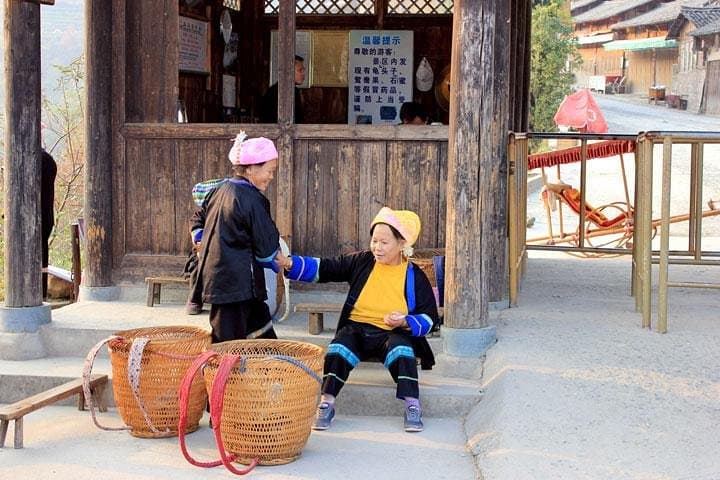
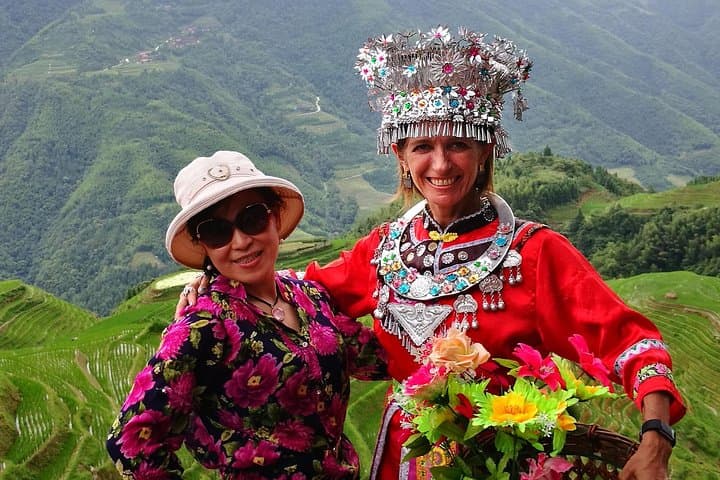
The Longji terraces—commonly called Dragon’s Backbone—date back roughly 700 years, engineered by the Zhuang and Yao minorities who sculpted rice paddies into steep hillsides. Geologically this part of Guangxi is a mix of hardened red soils cut into convex slopes; the terraces slow erosion and manage water, producing the sweeping layered contours visitors prize. Cultural life remains visible: woven clothing, village tea stalls, and seasonal agricultural rhythms that still dictate daily routines.
Expect two hours each way from Guilin, several hundred stone steps to reach top viewpoints, and a mix of paved paths and uneven dirt trails between viewpoints and villages. Photography rewards early mornings and late afternoons when low light lends depth and reflections. Guides can arrange respectful visits to Zhuang hamlets—ask before shooting portraits and accept that some residents prefer privacy.
Practical notes: bring closed-toe walking shoes, sun protection, and a lightweight rain layer; bottled water is usually provided by the operator but carry extras if you’ll be climbing. Lunch is not included — plan for a village meal or bring snacks. The day tour balances gentle hiking, cultural stops, and long viewpoint sessions, so a moderate fitness level will make the day more enjoyable.
moderate.
9 hours.
Moderate—comfortable ascending/descending many stone steps and walking on uneven terrain throughout the day.
The round-trip drive is roughly two hours each way depending on traffic—expect about four hours on the road and five hours on-site for a full-day tour.
No—lunch is arranged by travelers; guides can recommend village restaurants or simple local meals near viewpoints.
Moderate: you will climb multiple flights of stone steps and walk on uneven dirt paths; a reasonable level of fitness and steady footwear are recommended.
Yes—most private tours include a village visit. Always ask before photographing residents and follow your guide’s advice about cultural etiquette.
The terraces were built over centuries by Zhuang and Yao communities; their layered paddies are both agricultural infrastructure and cultural landscape.
Tourism supports local incomes but can strain trails and water management—stay on marked paths, avoid stepping on terrace edges, and follow local guidance to protect irrigation channels.
Travel China Guide operates guided outdoor trips and adventures with an emphasis on safety, stewardship, and memorable experiences.
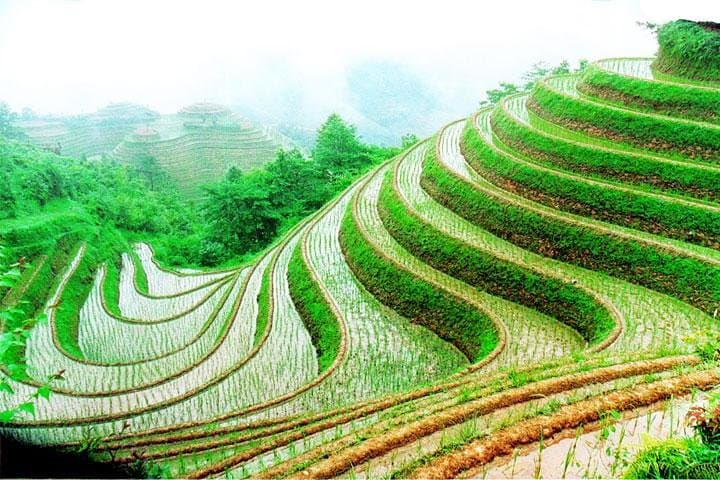
A mist lifts off the rice terraces as you step from the van and the mountains appear to be carved into horizontal steps that climb and bend with the slope. Footsteps echo on stone stairs; terraces hold shallow mirrors of sky in season, and the wind carries distant Zhuang songs from a nearby village.
A mist lifts off the rice terraces as you step from the van and the mountains appear to be carved into horizontal steps that climb and bend with the slope. Footsteps echo on stone stairs; terraces hold shallow mirrors of sky in season, and the wind carries distant Zhuang songs from a nearby village.
The Longji terraces—commonly called Dragon’s Backbone—date back roughly 700 years, engineered by the Zhuang and Yao minorities who sculpted rice paddies into steep hillsides. Geologically this part of Guangxi is a mix of hardened red soils cut into convex slopes; the terraces slow erosion and manage water, producing the sweeping layered contours visitors prize. Cultural life remains visible: woven clothing, village tea stalls, and seasonal agricultural rhythms that still dictate daily routines.
Expect two hours each way from Guilin, several hundred stone steps to reach top viewpoints, and a mix of paved paths and uneven dirt trails between viewpoints and villages. Photography rewards early mornings and late afternoons when low light lends depth and reflections. Guides can arrange respectful visits to Zhuang hamlets—ask before shooting portraits and accept that some residents prefer privacy.
Practical notes: bring closed-toe walking shoes, sun protection, and a lightweight rain layer; bottled water is usually provided by the operator but carry extras if you’ll be climbing. Lunch is not included — plan for a village meal or bring snacks. The day tour balances gentle hiking, cultural stops, and long viewpoint sessions, so a moderate fitness level will make the day more enjoyable.