THE ADVENTURE COLLECTIVE® · Independent discovery and booking for outdoor travel

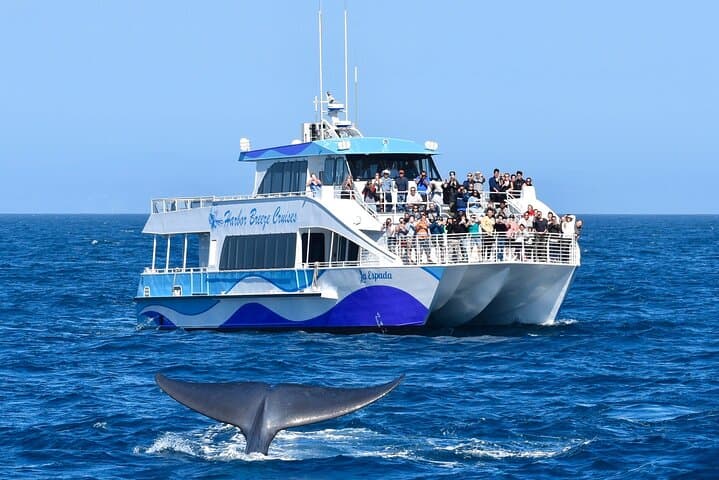
Step from the marina into open ocean on a 2–2.5 hour guided whale watching cruise from Long Beach. Expert captains and Aquarium docents narrate likely sightings—gray, blue, humpback whales—and point out seabirds, sea lions, and dolphins.
Step from the marina into open ocean on a 2–2.5 hour guided whale watching cruise from Long Beach. Expert captains and Aquarium docents narrate likely sightings—gray, blue, humpback whales—and point out seabirds, sea lions, and dolphins.
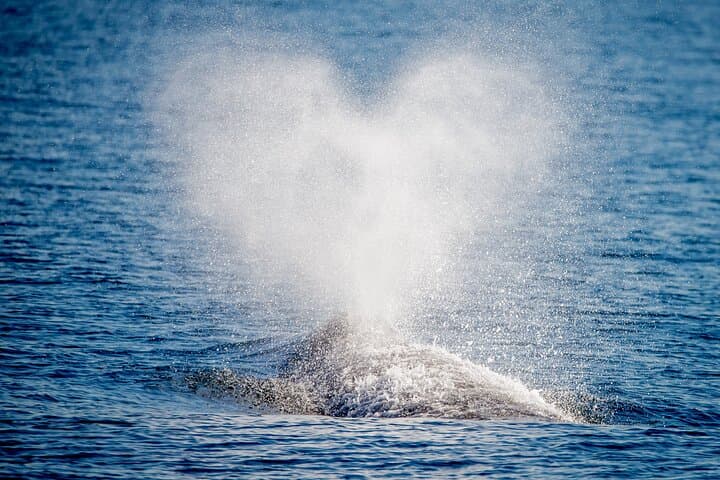
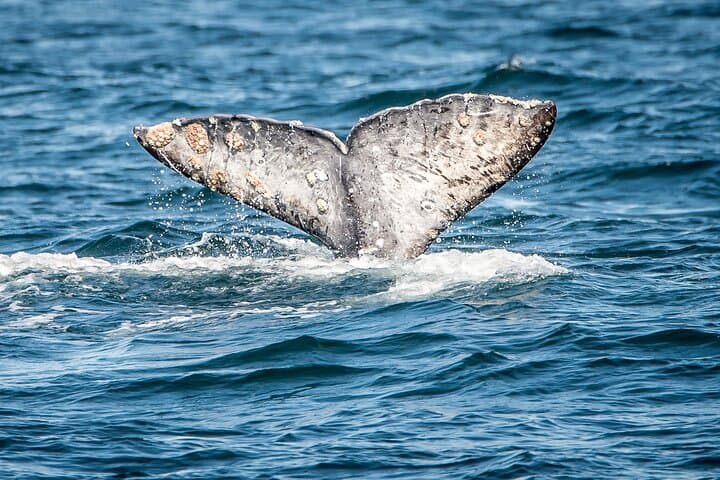
The boat slips free from Dock 2 as gulls wheel above the harbor, and the city’s concrete edges give way to an endless blue. In two hours you move from marina pilings past the Queen Mary and out into open Pacific, where the ocean’s surface can rise with the breath of a gray whale or flash with a pod of dolphins.
Verified experiences and guided adventures in the surrounding area.
Operated by Harbor Breeze Cruises · Long Beach, California
The boat slips free from Dock 2 as gulls wheel above the harbor, and the city’s concrete edges give way to an endless blue. In two hours you move from marina pilings past the Queen Mary and out into open Pacific, where the ocean’s surface can rise with the breath of a gray whale or flash with a pod of dolphins.
Long Beach is a working port with layered maritime history: shipyards, the Spruce Goose’s one-time home, and turn-of-the-century commercial traffic that opened this stretch of Southern California to recreational sea life viewing. Geologically the coastline here is a gently sloping continental shelf that funnels migrating whales along predictable routes—hence the reliable seasonality of sightings. Culturally, excursions often include docents from the Aquarium of the Pacific, bringing natural-history context to each sighting and connecting visitors to regional conservation efforts.
Practically, this is a family-friendly, low-effort marine wildlife cruise: custom-built catamarans with climate-controlled interiors, outside viewing decks, restrooms, and narrated trips of roughly 2–2.5 hours. Expect variable sea states; the crew follows best practices to minimize disturbance with low-emission engines and safe viewing distances. Sightings concentrate by season—gray whales southbound in winter, blue whales in summer—but humpbacks, fin whales, and dolphins can appear year-round. Arrival instructions note a ticket booth between the Aquarium of the Pacific and Bubba Gump; aim to arrive 30–60 minutes early. Bring layered clothing, seasickness prevention if you’re sensitive, and binoculars or a telephoto lens. The operator’s Sealife Guarantee offers a return voucher if no marine life is seen, reflecting both the unpredictability of wildlife and their confidence in local populations.
easy.
2–2.5 hours.
Suitable for most fitness levels; involves boarding a vessel and short periods of standing on deck
Cruises run approximately 2 to 2.5 hours from embarkation to return, depending on sea conditions and sightings.
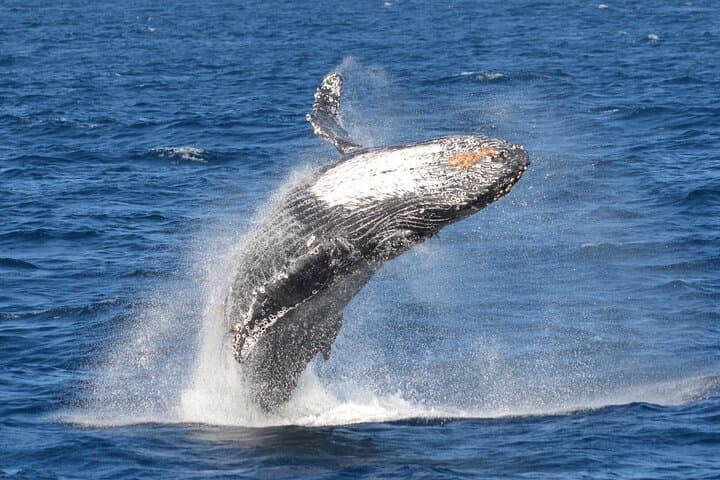
Seasonally you may see gray whales (Nov–Apr), blue whales (May–Nov), and year-round humpbacks, fin whales, minke whales, dolphins, sea lions, and various seabirds.
Yes—vessels include climate-controlled interiors, restrooms, and are wheelchair accessible, but boarding may require a short step; notify the operator of special requirements in advance.
The operator offers a Sealife Guarantee: if no marine life is observed, you will receive a return voucher for a future cruise.
Long Beach’s harbor evolved from early 20th-century shipping and shipbuilding; attractions like the Queen Mary and the Aquarium tie maritime heritage to modern ecotourism.
Cruise operators follow responsible viewing guidelines and use low-emission engines; visitors are encouraged not to feed wildlife and to dispose of waste ashore to protect marine habitats.
Harbor Breeze Cruises operates guided outdoor trips and adventures with an emphasis on safety, stewardship, and memorable experiences.
The boat slips free from Dock 2 as gulls wheel above the harbor, and the city’s concrete edges give way to an endless blue. In two hours you move from marina pilings past the Queen Mary and out into open Pacific, where the ocean’s surface can rise with the breath of a gray whale or flash with a pod of dolphins.
The boat slips free from Dock 2 as gulls wheel above the harbor, and the city’s concrete edges give way to an endless blue. In two hours you move from marina pilings past the Queen Mary and out into open Pacific, where the ocean’s surface can rise with the breath of a gray whale or flash with a pod of dolphins.
Long Beach is a working port with layered maritime history: shipyards, the Spruce Goose’s one-time home, and turn-of-the-century commercial traffic that opened this stretch of Southern California to recreational sea life viewing. Geologically the coastline here is a gently sloping continental shelf that funnels migrating whales along predictable routes—hence the reliable seasonality of sightings. Culturally, excursions often include docents from the Aquarium of the Pacific, bringing natural-history context to each sighting and connecting visitors to regional conservation efforts.
Practically, this is a family-friendly, low-effort marine wildlife cruise: custom-built catamarans with climate-controlled interiors, outside viewing decks, restrooms, and narrated trips of roughly 2–2.5 hours. Expect variable sea states; the crew follows best practices to minimize disturbance with low-emission engines and safe viewing distances. Sightings concentrate by season—gray whales southbound in winter, blue whales in summer—but humpbacks, fin whales, and dolphins can appear year-round. Arrival instructions note a ticket booth between the Aquarium of the Pacific and Bubba Gump; aim to arrive 30–60 minutes early. Bring layered clothing, seasickness prevention if you’re sensitive, and binoculars or a telephoto lens. The operator’s Sealife Guarantee offers a return voucher if no marine life is seen, reflecting both the unpredictability of wildlife and their confidence in local populations.