THE ADVENTURE COLLECTIVE® · Independent discovery and booking for outdoor travel

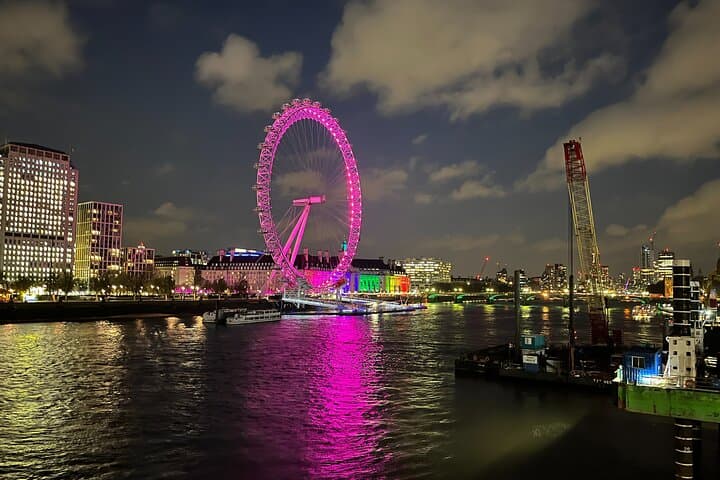
Walk central London with a sharp, local guide in your pocket. This self-guided audio tour unwraps oddities—from a self-lighting gas lamp to the hidden twists of the Thames—on a 60–90 minute route through Covent Garden and the riverfront.
Walk central London with a sharp, local guide in your pocket. This self-guided audio tour unwraps oddities—from a self-lighting gas lamp to the hidden twists of the Thames—on a 60–90 minute route through Covent Garden and the riverfront.
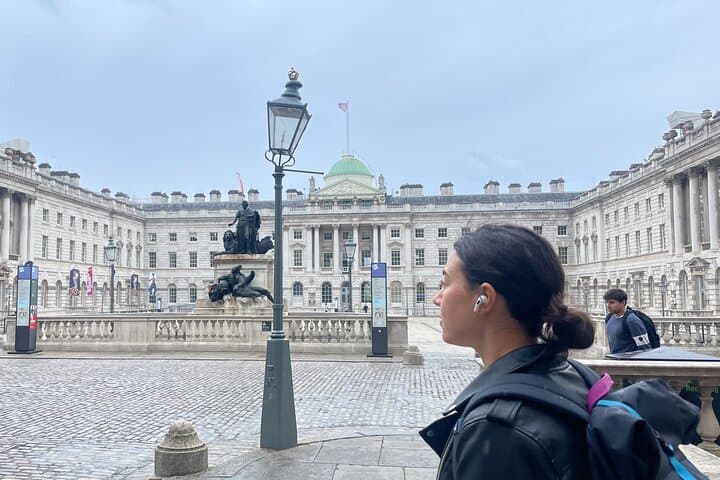
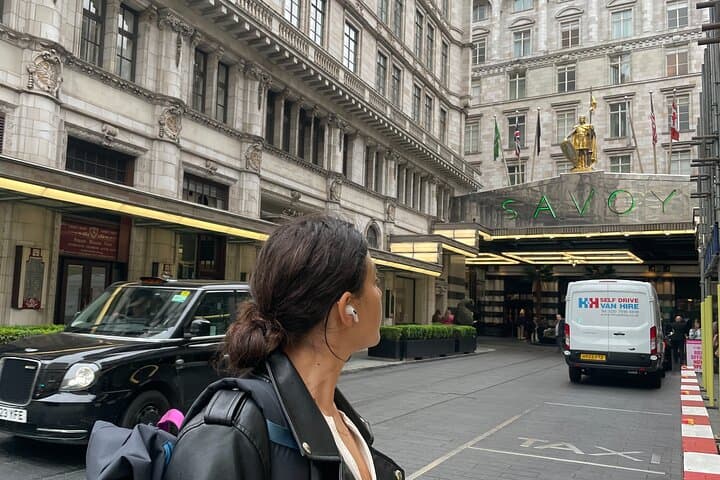
Morning light cuts across the Strand and the city wakes in fragments of steam, theater rehearsal, and the clack of taxi wheels. You press play and a local voice leads you through narrow lanes where the past still argues with the present: a gas lamp that used to light itself, a theatre site that claims a ghost, and a river whose hidden course shaped the streets beneath your feet.
Verified experiences and guided adventures in the surrounding area.
Operated by VoiceMap Audio Tours · London, England
Morning light cuts across the Strand and the city wakes in fragments of steam, theater rehearsal, and the clack of taxi wheels. You press play and a local voice leads you through narrow lanes where the past still argues with the present: a gas lamp that used to light itself, a theatre site that claims a ghost, and a river whose hidden course shaped the streets beneath your feet.
This walk threads together social history and urban geology. The River Thames was historically diverted and reclaimed in places, exposing London clay and revealing older river channels that explain odd street alignments; Covent Garden itself takes its name from a medieval convent garden. The route touches sites of early electrification, 18th‑century scandal, and wartime engineering projects—like the bridge built largely by women during WWII—offering a cross‑section of London’s cultural shifts from Tudor to industrial eras.
Expect tight pedestrian streets, occasional market bustle, and theatrical corners where actors once quarrelled in public. The audio uses GPS-triggered narration (VoiceMap) and includes offline maps so you can roam without a constant connection.
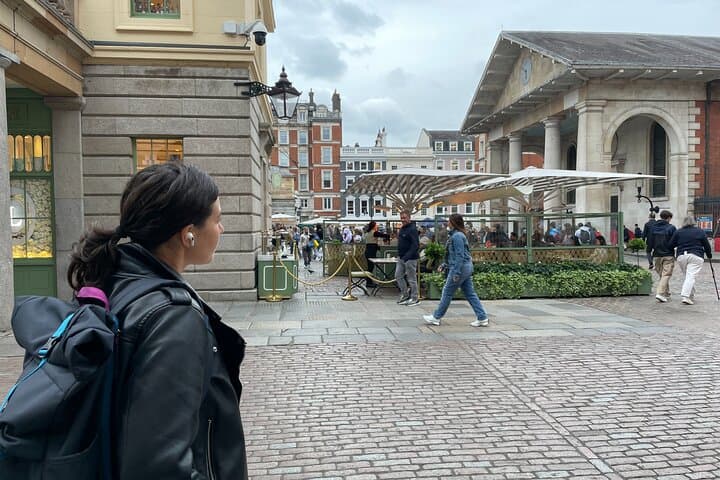
Practical guidance: allow 60–90 minutes, wear comfortable shoes and headphones, and download the tour before you leave Wi‑Fi. Public transport drops you nearby—start at Covent Garden Piazza for the clearest route—and note one final stretch after Waterloo Bridge includes stairs; wheelchair users can remain on bridge level to reach the last two stops. Travel respectfully through busy areas, and pause at the river to let the city’s deeper currents tell their story.
easy.
1–1.5 hours.
Suitable for all fitness levels; mostly flat city pavements with short standing periods
Plan 60–90 minutes depending on your pace and how often you stop to read plaques or take photos.
No—download the VoiceMap audio and offline maps ahead of time, then run the tour offline via GPS.
Most of the route is wheelchair accessible, but the final section after Waterloo Bridge includes stairs; wheelchair users can stay at bridge level to reach the last two stops.
Yes—the audio is GPS triggered, but beginning at Covent Garden Piazza gives the most coherent narrative flow.
Covent Garden was part of a medieval convent’s garden; much of central London grew where the Thames’ course and marshlands were altered during centuries of reclamation.
Stick to pavements and marked paths to protect fragile historic surfaces; use public transport to reduce traffic impact and support low‑emission travel.
VoiceMap Audio Tours operates guided outdoor trips and adventures with an emphasis on safety, stewardship, and memorable experiences.
Morning light cuts across the Strand and the city wakes in fragments of steam, theater rehearsal, and the clack of taxi wheels. You press play and a local voice leads you through narrow lanes where the past still argues with the present: a gas lamp that used to light itself, a theatre site that claims a ghost, and a river whose hidden course shaped the streets beneath your feet.
Morning light cuts across the Strand and the city wakes in fragments of steam, theater rehearsal, and the clack of taxi wheels. You press play and a local voice leads you through narrow lanes where the past still argues with the present: a gas lamp that used to light itself, a theatre site that claims a ghost, and a river whose hidden course shaped the streets beneath your feet.
This walk threads together social history and urban geology. The River Thames was historically diverted and reclaimed in places, exposing London clay and revealing older river channels that explain odd street alignments; Covent Garden itself takes its name from a medieval convent garden. The route touches sites of early electrification, 18th‑century scandal, and wartime engineering projects—like the bridge built largely by women during WWII—offering a cross‑section of London’s cultural shifts from Tudor to industrial eras.
Expect tight pedestrian streets, occasional market bustle, and theatrical corners where actors once quarrelled in public. The audio uses GPS-triggered narration (VoiceMap) and includes offline maps so you can roam without a constant connection.
Practical guidance: allow 60–90 minutes, wear comfortable shoes and headphones, and download the tour before you leave Wi‑Fi. Public transport drops you nearby—start at Covent Garden Piazza for the clearest route—and note one final stretch after Waterloo Bridge includes stairs; wheelchair users can remain on bridge level to reach the last two stops. Travel respectfully through busy areas, and pause at the river to let the city’s deeper currents tell their story.