THE ADVENTURE COLLECTIVE® · Independent discovery and booking for outdoor travel

Walk the arteries of London's West End and trace 300 years of performance history through iconic theatres, secret alleys, and stage-door stories. This 2.5-hour tour pairs architectural detail with backstage lore—ideal before an evening show.
Walk the arteries of London's West End and trace 300 years of performance history through iconic theatres, secret alleys, and stage-door stories. This 2.5-hour tour pairs architectural detail with backstage lore—ideal before an evening show.
You step off a narrow side street into the pulse of the West End: marquee lights hum, pavement chatter swells, and stone façades keep watch. The walking tour moves along Shaftesbury Avenue and Drury Lane, pausing at gilded foyers and austere playhouses where audiences have cheered since the 1700s.
Verified experiences and guided adventures in the surrounding area.
You step off a narrow side street into the pulse of the West End: marquee lights hum, pavement chatter swells, and stone façades keep watch. The walking tour moves along Shaftesbury Avenue and Drury Lane, pausing at gilded foyers and austere playhouses where audiences have cheered since the 1700s.
The route follows layers of history — Restoration playhouses gave way to Victorian impresarios who reshaped the streets and sightlines. Much of the architecture you’ll see is late-19th to early-20th century: red brick and terracotta fronts that were rebuilt after fires and wartime damage. The tour’s anecdotes connect shows (Les Misérables, The Mousetrap, Harry Potter’s stage roots) to social shifts: music hall entertainment, classed seating, and the rise of commercial theatre.
Culturally, the West End is a working district: rehearsal rooms, costume houses, and stage doors occupy alleys between the grand auditoria. Expect soundchecks, quick costume changes glimpsed through windows, and staff who keep the district turning.
Practical guidance: the route covers about 2.5 miles with frequent stops—comfortable walking shoes matter, and plan for standing at intervals. Bring a light layer for unpredictable London weather and arrive 10–15 minutes early to meet the guide. Photography is fine in exteriors; interior access depends on theatre schedules. If you want a deeper dive, check performance listings ahead and pair the tour with an evening show.
This is a compact, urban walk that rewards attention to detail: look up at balcony cornices, read memorial plaques, and listen for the city’s backstage rhythms.
easy.
2–3 hours.
Light urban walking and standing; suitable for most adults who can manage 2–3 miles on foot.
The tour runs about 2.5 hours and covers roughly 2–3 miles with frequent stops at theatres and landmarks.
This tour focuses on exterior façades and stories; interior access depends on theatre schedules and is usually not included unless specified.
Yes—pacing accommodates varied ages, though there is standing and walking; contact the operator about accessibility needs.
Exterior photography is fine; interior photography is subject to each theatre's policy and may be restricted during performances.
London’s West End grew after the 17th century Restoration when theatres re-emerged; Victorian rebuilding and 20th-century commercial theatre solidified the district’s global reputation.
Several buildings are listed and maintained through conservation efforts; visitors are encouraged to respect signage, avoid touching historic surfaces, and support theatre preservation funds.
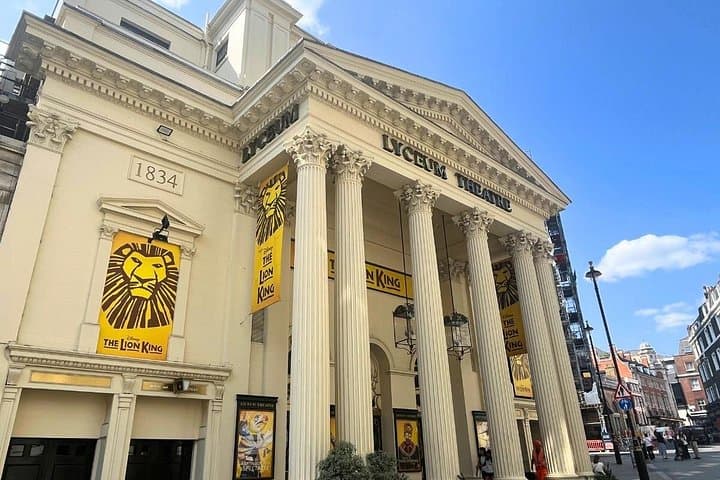
You step off a narrow side street into the pulse of the West End: marquee lights hum, pavement chatter swells, and stone façades keep watch. The walking tour moves along Shaftesbury Avenue and Drury Lane, pausing at gilded foyers and austere playhouses where audiences have cheered since the 1700s.
You step off a narrow side street into the pulse of the West End: marquee lights hum, pavement chatter swells, and stone façades keep watch. The walking tour moves along Shaftesbury Avenue and Drury Lane, pausing at gilded foyers and austere playhouses where audiences have cheered since the 1700s.
The route follows layers of history — Restoration playhouses gave way to Victorian impresarios who reshaped the streets and sightlines. Much of the architecture you’ll see is late-19th to early-20th century: red brick and terracotta fronts that were rebuilt after fires and wartime damage. The tour’s anecdotes connect shows (Les Misérables, The Mousetrap, Harry Potter’s stage roots) to social shifts: music hall entertainment, classed seating, and the rise of commercial theatre.
Culturally, the West End is a working district: rehearsal rooms, costume houses, and stage doors occupy alleys between the grand auditoria. Expect soundchecks, quick costume changes glimpsed through windows, and staff who keep the district turning.
Practical guidance: the route covers about 2.5 miles with frequent stops—comfortable walking shoes matter, and plan for standing at intervals. Bring a light layer for unpredictable London weather and arrive 10–15 minutes early to meet the guide. Photography is fine in exteriors; interior access depends on theatre schedules. If you want a deeper dive, check performance listings ahead and pair the tour with an evening show.
This is a compact, urban walk that rewards attention to detail: look up at balcony cornices, read memorial plaques, and listen for the city’s backstage rhythms.