THE ADVENTURE COLLECTIVE® · Independent discovery and booking for outdoor travel

Escape London for a private full-day drive through the Cotswolds’ rolling limestone hills, honey-stone villages, and market towns. This tour favors quieter lanes, early arrivals at popular stops, and flexible time for a pub lunch and short village walks.
Escape London for a private full-day drive through the Cotswolds’ rolling limestone hills, honey-stone villages, and market towns. This tour favors quieter lanes, early arrivals at popular stops, and flexible time for a pub lunch and short village walks.
You leave London before the city fully wakes: traffic thins, the coach eases onto country roads, and the landscape opens into wide fields riven by dry-stone walls. Honey-colored stone villages appear like stage sets—humble, well-maintained, and ready for inspection. Sheep patrol the lanes; the wind carries the tang of cut grass and brewing tea from village pubs.
Verified experiences and guided adventures in the surrounding area.
Operated by Jolly Good Tours · Cotswolds, England
You leave London before the city fully wakes: traffic thins, the coach eases onto country roads, and the landscape opens into wide fields riven by dry-stone walls. Honey-colored stone villages appear like stage sets—humble, well-maintained, and ready for inspection. Sheep patrol the lanes; the wind carries the tang of cut grass and brewing tea from village pubs.
The Cotswolds occupies roughly 600 square miles designated as an Area of Outstanding Natural Beauty. Its rounded hills are built from oolitic limestone laid down in shallow Jurassic seas; that geology gives the region its warm stone and the steep escarpments visible from viewpoints like the Broadway Tower. Culturally, the area grew wealthy on the medieval wool trade—market towns and manor houses still mark that history, and pub culture with local ales remains central to village life.
On a private day tour you can slip off main routes to reach quieter hamlets, arrive at popular spots before the crowds, and pause at a market town for a pub lunch. Expect short village walks, photo stops at river bridges and greens, and commentary from a driver-guide who can point toward lesser-known sites such as a Roman villa or a hilltop lookout.
Practical guidance: it’s a full day—plan for 8–10 hours including travel. Wear comfortable walking shoes and layered clothing; Cotswold weather shifts quickly. Bring a reusable water bottle, small change for pub toilets or independent shops, and a camera with a charged battery. If mobility is a concern, confirm accessibility when booking; many stops have limited steep pathways. Arrive with curiosity and leave with a clear sense of why this landscape still pulls visitors off the beaten track.
easy.
8–10 hours.
Suitable for most fitness levels; requires stamina for a full day of travel with short walks and standing.
The full experience lasts about 8–10 hours depending on traffic; expect approximately 6 hours of time in the Cotswolds for visits and walking stops.
Lunch is typically not included; tours usually stop at a pub or café where you can purchase food, or you can request a specific stop when booking.
Yes—this is a private tour. Provide mobility and accessibility requirements at booking so the driver-guide can plan suitable stops and parking.
Yes—popular itineraries include a mix of market towns and smaller villages with photo stops, short walks, and time for shops or a pub visit.
The Cotswolds grew wealthy on the medieval wool and cloth trade; many villages expanded in the 14th–17th centuries using local oolitic limestone.
As an Area of Outstanding Natural Beauty, the Cotswolds balances tourism with landscape protection—stick to paths, support local businesses, and avoid disturbing farmland.
Jolly Good Tours operates guided outdoor trips and adventures with an emphasis on safety, stewardship, and memorable experiences.
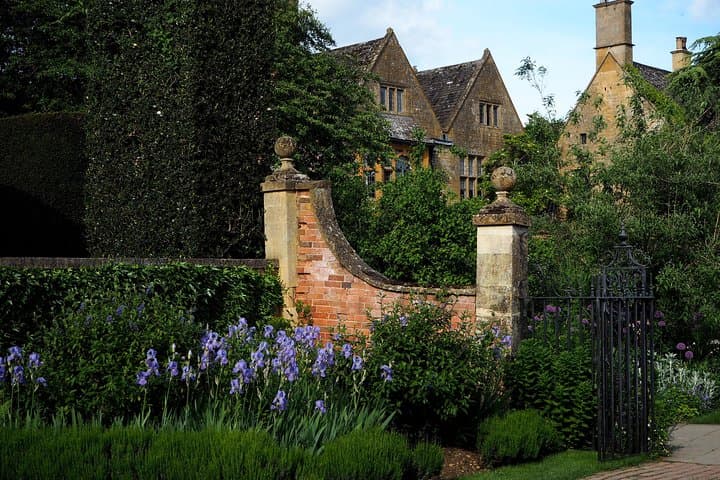
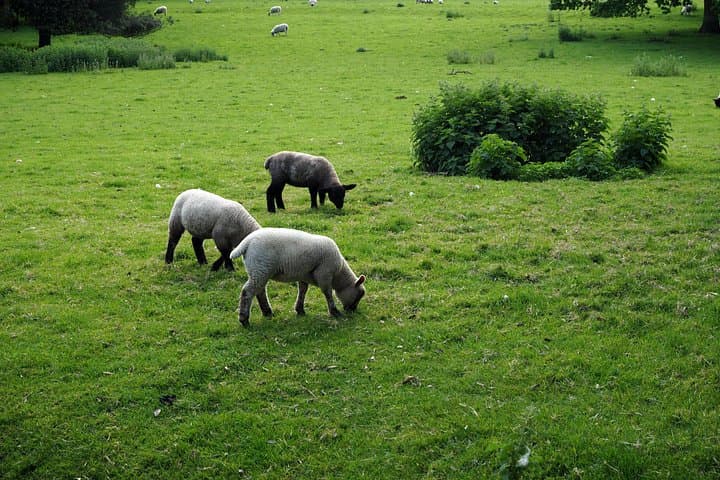
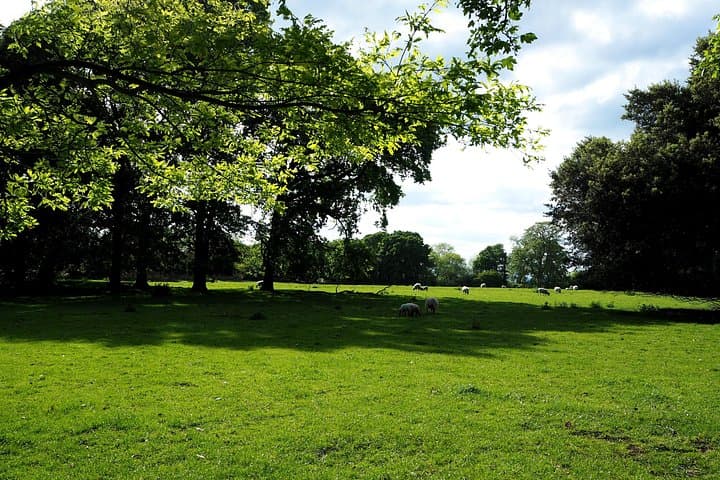
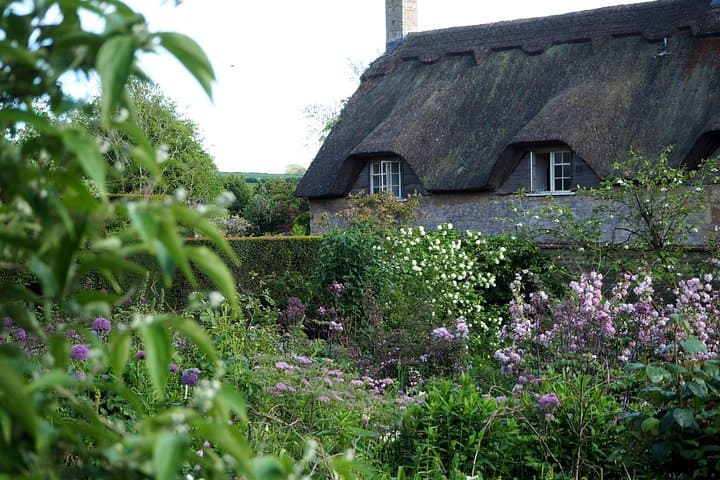
You leave London before the city fully wakes: traffic thins, the coach eases onto country roads, and the landscape opens into wide fields riven by dry-stone walls. Honey-colored stone villages appear like stage sets—humble, well-maintained, and ready for inspection. Sheep patrol the lanes; the wind carries the tang of cut grass and brewing tea from village pubs.
You leave London before the city fully wakes: traffic thins, the coach eases onto country roads, and the landscape opens into wide fields riven by dry-stone walls. Honey-colored stone villages appear like stage sets—humble, well-maintained, and ready for inspection. Sheep patrol the lanes; the wind carries the tang of cut grass and brewing tea from village pubs.
The Cotswolds occupies roughly 600 square miles designated as an Area of Outstanding Natural Beauty. Its rounded hills are built from oolitic limestone laid down in shallow Jurassic seas; that geology gives the region its warm stone and the steep escarpments visible from viewpoints like the Broadway Tower. Culturally, the area grew wealthy on the medieval wool trade—market towns and manor houses still mark that history, and pub culture with local ales remains central to village life.
On a private day tour you can slip off main routes to reach quieter hamlets, arrive at popular spots before the crowds, and pause at a market town for a pub lunch. Expect short village walks, photo stops at river bridges and greens, and commentary from a driver-guide who can point toward lesser-known sites such as a Roman villa or a hilltop lookout.
Practical guidance: it’s a full day—plan for 8–10 hours including travel. Wear comfortable walking shoes and layered clothing; Cotswold weather shifts quickly. Bring a reusable water bottle, small change for pub toilets or independent shops, and a camera with a charged battery. If mobility is a concern, confirm accessibility when booking; many stops have limited steep pathways. Arrive with curiosity and leave with a clear sense of why this landscape still pulls visitors off the beaten track.