THE ADVENTURE COLLECTIVE® · Independent discovery and booking for outdoor travel

Sip a Vesper where Fleming once drank and follow a former intelligence operative through Whitehall’s secretive corridors. This three-hour walk pairs cold-war stories with a two-course dinner for an intimate, fact-driven look at London’s espionage history.
Sip a Vesper where Fleming once drank and follow a former intelligence operative through Whitehall’s secretive corridors. This three-hour walk pairs cold-war stories with a two-course dinner for an intimate, fact-driven look at London’s espionage history.
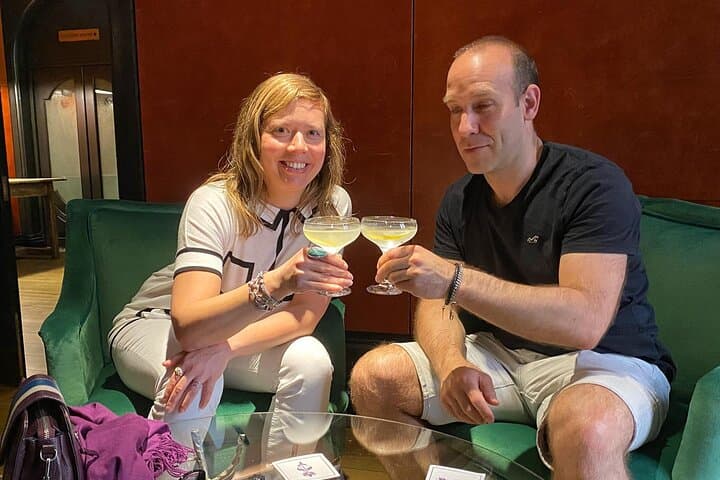
A chill wind threads down Caxton Street as the group gathers beneath the Art Nouveau façade of St Ermin’s Hotel — known in intelligence circles as the “House of Spies.” The guide, a former practitioner from the world of espionage, delivers a clipped briefing over a Vesper Martini, and suddenly London’s grey stone feels like a map of secrets waiting to be read.
Verified experiences and guided adventures in the surrounding area.
Operated by Imagine Experiences · London, England
A chill wind threads down Caxton Street as the group gathers beneath the Art Nouveau façade of St Ermin’s Hotel — known in intelligence circles as the “House of Spies.” The guide, a former practitioner from the world of espionage, delivers a clipped briefing over a Vesper Martini, and suddenly London’s grey stone feels like a map of secrets waiting to be read.
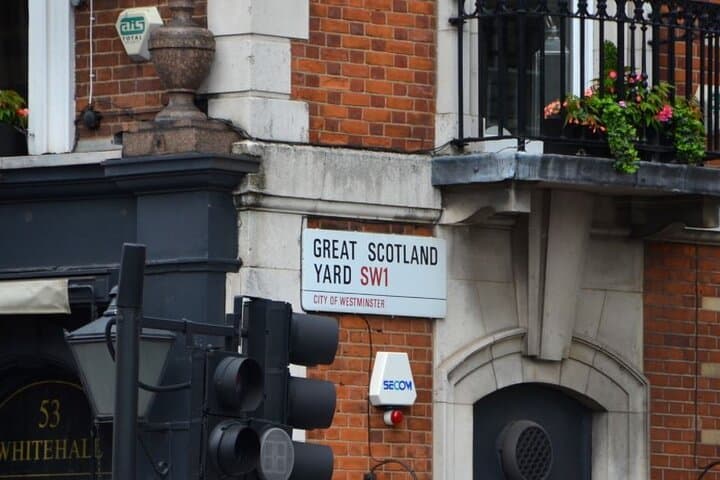
Walks lead through Queen Anne’s Gate, past wrought-iron gates and Portland stone façades that once hid MI6 safe-houses. The route traces the arc of Britain’s intelligence history: Elizabethan intrigue, the clandestine Great Game, the Cambridge spy ring, and Cold War tradecraft. Urban geology surfaces in the details — carved limestone steps, river-silt foundations under St James’s Park — reminders that the city’s architecture shaped how spies moved and hid.
Beyond espionage lore, the tour situates the culture of Whitehall: the bureaucratic pulse that enabled wartime SOE operations and the social clubs where agents exchanged rumours and coded jokes. Hidden corners reveal postal exchanges and back-alley approaches still used in period dramas.
Practical side: expect 3 hours of mostly level walking on paved streets and park paths, with pauses for stories and photography. Dress for changeable weather, bring ID (alcohol served), and be ready for a conversational debrief over a two-course dinner in a Whitehall club. The experience balances storytelling with historical context — ideal for travellers who want a deep, walkable dive into London’s quieter histories without needing specialist skills.
easy.
3 hours.
Light urban walking ability required—able to stand and walk for periods and negotiate short park inclines
A Vesper (or non-alcoholic alternative) is included at the start and a two-course dinner with a choice of beer or wine is provided at the end.
The meeting point is St Ermin’s Hotel (Caxton Street) in Westminster — arrive 10–15 minutes early to check in.
The tour contains adult themes and alcohol service; organizers ask for age information when booking and it’s best suited to adults and mature teens with parental discretion.
Yes — dietary needs are requested at booking and the dinner venue will provide alternatives where possible.
Whitehall and nearby St Ermin’s played active roles in 20th-century intelligence—St Ermin’s was a social hub for officers and authors like Ian Fleming.
Stay on paved paths and respect park plantings in St James’s Park; reduced group noise helps protect nesting birds and urban wildlife.
Imagine Experiences operates guided outdoor trips and adventures with an emphasis on safety, stewardship, and memorable experiences.


A chill wind threads down Caxton Street as the group gathers beneath the Art Nouveau façade of St Ermin’s Hotel — known in intelligence circles as the “House of Spies.” The guide, a former practitioner from the world of espionage, delivers a clipped briefing over a Vesper Martini, and suddenly London’s grey stone feels like a map of secrets waiting to be read.
A chill wind threads down Caxton Street as the group gathers beneath the Art Nouveau façade of St Ermin’s Hotel — known in intelligence circles as the “House of Spies.” The guide, a former practitioner from the world of espionage, delivers a clipped briefing over a Vesper Martini, and suddenly London’s grey stone feels like a map of secrets waiting to be read.
Walks lead through Queen Anne’s Gate, past wrought-iron gates and Portland stone façades that once hid MI6 safe-houses. The route traces the arc of Britain’s intelligence history: Elizabethan intrigue, the clandestine Great Game, the Cambridge spy ring, and Cold War tradecraft. Urban geology surfaces in the details — carved limestone steps, river-silt foundations under St James’s Park — reminders that the city’s architecture shaped how spies moved and hid.
Beyond espionage lore, the tour situates the culture of Whitehall: the bureaucratic pulse that enabled wartime SOE operations and the social clubs where agents exchanged rumours and coded jokes. Hidden corners reveal postal exchanges and back-alley approaches still used in period dramas.
Practical side: expect 3 hours of mostly level walking on paved streets and park paths, with pauses for stories and photography. Dress for changeable weather, bring ID (alcohol served), and be ready for a conversational debrief over a two-course dinner in a Whitehall club. The experience balances storytelling with historical context — ideal for travellers who want a deep, walkable dive into London’s quieter histories without needing specialist skills.