THE ADVENTURE COLLECTIVE® · Independent discovery and booking for outdoor travel

A focused walking tour through Westminster that traces London’s political uprisings from suffrage to anti-colonial movements. Expect 2–3 hours of paved streets, close-up monuments and a guide who connects architecture to protest.
A focused walking tour through Westminster that traces London’s political uprisings from suffrage to anti-colonial movements. Expect 2–3 hours of paved streets, close-up monuments and a guide who connects architecture to protest.
Stand on the steps of Methodist Central Hall and the city rearranges itself — marble facades, brass railings and security gates framing stories of dissent.
Verified experiences and guided adventures in the surrounding area.
Operated by Rebel Tours · London, England
Stand on the steps of Methodist Central Hall and the city rearranges itself — marble facades, brass railings and security gates framing stories of dissent.
This two- to three-hour walking tour threads through Westminster’s corridors of power — Buckingham Palace, Westminster Abbey, Parliament Square, Downing Street and Trafalgar Square — guided by a narrator who foregrounds protest: suffragettes, trade unionists, abolitionists and anti-colonial voices. The route sits on layered geology of Thames gravels and clay; its monuments mark centuries of political evolution and public spectacle. Expect tight alleys, broad plazas and a few heritage interiors glimpsed from outside.
Culturally, this area is where ritual and rebellion meet: state ceremonies continue alongside the graffiti of protest and the memorials of campaigners who forced change. Guides often highlight overlooked details — carved slogans, quietly commemorated figures and the ways movements used public space to be seen and heard.
Plan for steady walking on paved streets with occasional cobbles and steps. Tours run rain or shine; British weather can flip quickly, so layer up. Bring a contactless card or Oyster for easy arrival and leave room in your schedule for security delays near Parliament. The experience favors curious listeners: ask about lesser-known protest sites and follow-up at nearby museums like the Churchill War Rooms or the Cabinet War Rooms for deeper context.
This is a low-impact urban trek that rewards close attention: look up at plaques, notice the street names that changed around events, and let the city’s architecture do some of the storytelling.
easy.
2–3 hours.
Suitable for most fitness levels; expect 2–3 hours of walking with short standing stops
The guide meets in front of Methodist Central Hall by Wesley’s Café; arrive a few minutes early to check in.
Yes — the route is described as wheelchair and stroller accessible, though some areas near crowds may be tight.
No — the tour covers exterior views and commentary; entry to Westminster Abbey or other sites isn’t included and requires separate tickets.
This listing indicates an English-language guide; check with the operator for alternative-language availability.
Westminster has been the heart of English political life for centuries; the area’s public spaces were key stages for 19th- and 20th-century reform movements such as suffrage and union organizing.
High foot traffic stresses heritage stone and greenspace; visitors are encouraged to use public transit, avoid littering, and follow site-specific rules to protect historic fabric.
Rebel Tours operates guided outdoor trips and adventures with an emphasis on safety, stewardship, and memorable experiences.
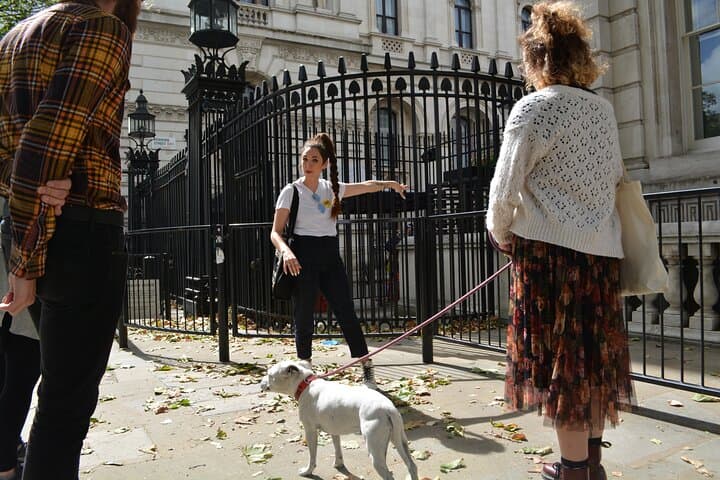
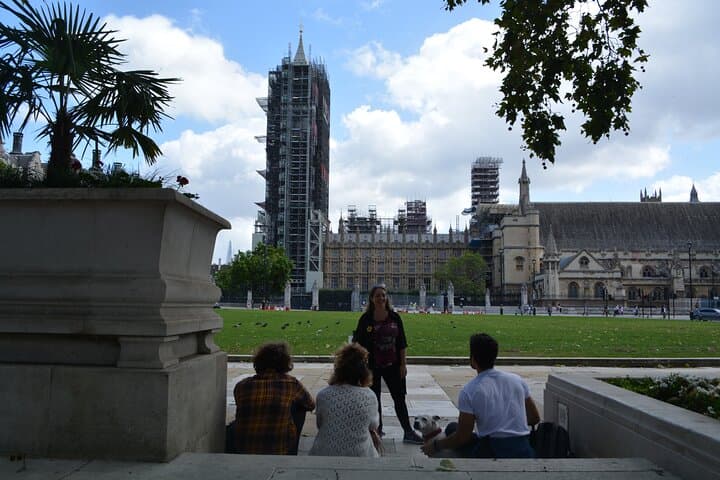
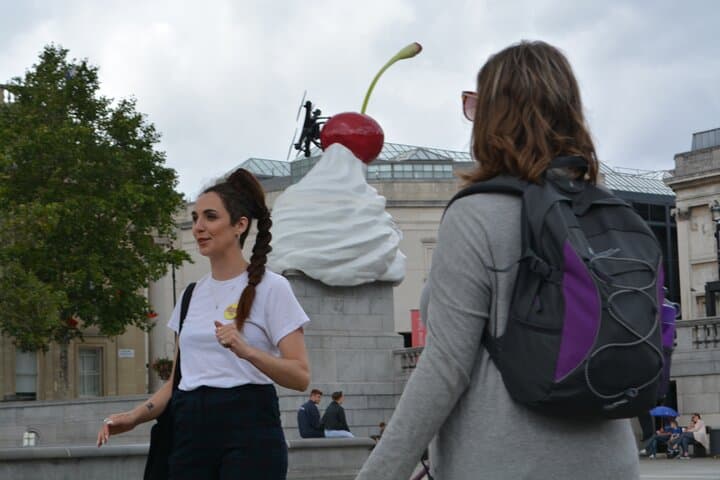
Stand on the steps of Methodist Central Hall and the city rearranges itself — marble facades, brass railings and security gates framing stories of dissent.
Stand on the steps of Methodist Central Hall and the city rearranges itself — marble facades, brass railings and security gates framing stories of dissent.
This two- to three-hour walking tour threads through Westminster’s corridors of power — Buckingham Palace, Westminster Abbey, Parliament Square, Downing Street and Trafalgar Square — guided by a narrator who foregrounds protest: suffragettes, trade unionists, abolitionists and anti-colonial voices. The route sits on layered geology of Thames gravels and clay; its monuments mark centuries of political evolution and public spectacle. Expect tight alleys, broad plazas and a few heritage interiors glimpsed from outside.
Culturally, this area is where ritual and rebellion meet: state ceremonies continue alongside the graffiti of protest and the memorials of campaigners who forced change. Guides often highlight overlooked details — carved slogans, quietly commemorated figures and the ways movements used public space to be seen and heard.
Plan for steady walking on paved streets with occasional cobbles and steps. Tours run rain or shine; British weather can flip quickly, so layer up. Bring a contactless card or Oyster for easy arrival and leave room in your schedule for security delays near Parliament. The experience favors curious listeners: ask about lesser-known protest sites and follow-up at nearby museums like the Churchill War Rooms or the Cabinet War Rooms for deeper context.
This is a low-impact urban trek that rewards close attention: look up at plaques, notice the street names that changed around events, and let the city’s architecture do some of the storytelling.