THE ADVENTURE COLLECTIVE® · Independent discovery and booking for outdoor travel

Walk the same streets where the Beatles, Bowie and the Sex Pistols reshaped music. This two-hour private tour through Soho and Carnaby Street mixes close-up history, insider stories and practical tips for navigating London’s music neighborhoods.
Walk the same streets where the Beatles, Bowie and the Sex Pistols reshaped music. This two-hour private tour through Soho and Carnaby Street mixes close-up history, insider stories and practical tips for navigating London’s music neighborhoods.
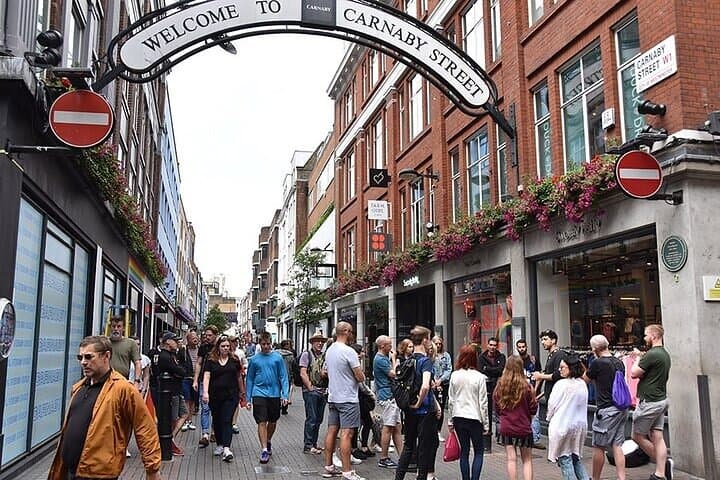
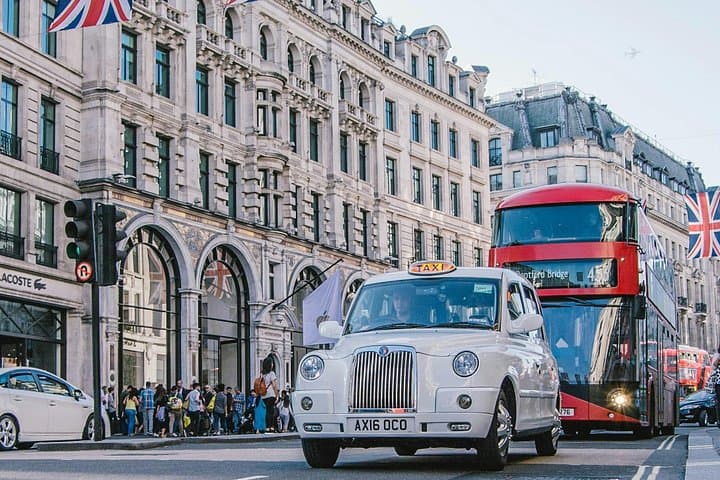
The tour begins on a cool London pavement, where the city’s noise folds into snatches of guitar and snare—taxi horns answering a distant riff. You step off a busy street into a lane where record shops, club doorways and faded posters still hum with the ghosts of nights that changed popular music.
Verified experiences and guided adventures in the surrounding area.
Operated by The Great Weekender · London, England
The tour begins on a cool London pavement, where the city’s noise folds into snatches of guitar and snare—taxi horns answering a distant riff. You step off a busy street into a lane where record shops, club doorways and faded posters still hum with the ghosts of nights that changed popular music.
This two-hour private walk threads Soho, Carnaby Street and the nearby arcades that were ground zero for the Swinging Sixties and later punk and glam movements. Historically, these blocks hosted early recording studios, music publishers on Denmark Street and clubs where Jimi Hendrix, David Bowie and the Rolling Stones tested new sounds. Beneath the tarmac lies London Clay and the remnant courses of buried rivers like the Fleet—urban geology that shaped the city’s alleyways and basements where small studios clustered.
Culturally, the tour shows how neighborhoods rebounded from nineteenth-century disease and industrial grime into creative neighborhoods that shaped global music trends. Local insights include the jazz clubs that hosted crossover performances and the narrow streets that bred independent guitar shops.
Practical guidance: arrive 10–15 minutes early, wear comfortable walking shoes for uneven pavement, and bring a compact rain shell—London weather shifts fast. Public transport access is excellent; plan around rush hour if you prefer quieter stops. Photography is allowed, but respect private entrances and club door policies. The private format lets the guide adapt stops to your interests—ask about archival photos or street-level stories to deepen the walk.
Expect anecdotes of romance and scandal, close-up looks at historic facades, and a clear sense of how a handful of streets helped soundtrack the modern world.
easy.
2–2.5 hours.
Suitable for travelers who can walk on city streets for up to 2.5 hours with short standing stops.
Yes—stroller access is possible and the guide can tailor stories for younger guests, though some topics reference adult themes.
No—this walking tour focuses on external sites and stories; any optional entry to venues or museums is at your expense.
The guide provides a central Soho meeting point near a major Tube station; the finish is typically within walking distance of public transport.
Yes—this is a private tour and guides can adapt route emphasis (Beatles, punk, jazz) if you request preferences when booking.
Soho and Carnaby Street were focal points of Swinging London in the 1960s; Denmark Street (Tin Pan Alley) supplied instruments, publishers and recording spaces that helped export British rock worldwide.
This area balances heavy foot traffic with protected historic façades—stick to marked paths, avoid graffiti on private property, and support local businesses rather than altering streetscapes.
The Great Weekender operates guided outdoor trips and adventures with an emphasis on safety, stewardship, and memorable experiences.

The tour begins on a cool London pavement, where the city’s noise folds into snatches of guitar and snare—taxi horns answering a distant riff. You step off a busy street into a lane where record shops, club doorways and faded posters still hum with the ghosts of nights that changed popular music.
The tour begins on a cool London pavement, where the city’s noise folds into snatches of guitar and snare—taxi horns answering a distant riff. You step off a busy street into a lane where record shops, club doorways and faded posters still hum with the ghosts of nights that changed popular music.
This two-hour private walk threads Soho, Carnaby Street and the nearby arcades that were ground zero for the Swinging Sixties and later punk and glam movements. Historically, these blocks hosted early recording studios, music publishers on Denmark Street and clubs where Jimi Hendrix, David Bowie and the Rolling Stones tested new sounds. Beneath the tarmac lies London Clay and the remnant courses of buried rivers like the Fleet—urban geology that shaped the city’s alleyways and basements where small studios clustered.
Culturally, the tour shows how neighborhoods rebounded from nineteenth-century disease and industrial grime into creative neighborhoods that shaped global music trends. Local insights include the jazz clubs that hosted crossover performances and the narrow streets that bred independent guitar shops.
Practical guidance: arrive 10–15 minutes early, wear comfortable walking shoes for uneven pavement, and bring a compact rain shell—London weather shifts fast. Public transport access is excellent; plan around rush hour if you prefer quieter stops. Photography is allowed, but respect private entrances and club door policies. The private format lets the guide adapt stops to your interests—ask about archival photos or street-level stories to deepen the walk.
Expect anecdotes of romance and scandal, close-up looks at historic facades, and a clear sense of how a handful of streets helped soundtrack the modern world.