THE ADVENTURE COLLECTIVE® · Independent discovery and booking for outdoor travel

Visit two of England’s most storied royal sites on a private day tour from London. Expect Tudor kitchens, St George’s Chapel, landscaped gardens, and centuries of royal pageantry—plus practical tips for timing, access, and what to bring.
Visit two of England’s most storied royal sites on a private day tour from London. Expect Tudor kitchens, St George’s Chapel, landscaped gardens, and centuries of royal pageantry—plus practical tips for timing, access, and what to bring.
You step out of an air-conditioned car onto a stretch of pavement that has watched monarchs arrive and depart for nearly a millennium. The stone of Windsor Castle rises above the town, the Round Tower punctuating a skyline that reads like a history book; downstream, Hampton Court sprawls across the Thames, its red brick and formal gardens turning toward the river.
Verified experiences and guided adventures in the surrounding area.
Operated by The Visit London · Windsor, Berkshire
You step out of an air-conditioned car onto a stretch of pavement that has watched monarchs arrive and depart for nearly a millennium. The stone of Windsor Castle rises above the town, the Round Tower punctuating a skyline that reads like a history book; downstream, Hampton Court sprawls across the Thames, its red brick and formal gardens turning toward the river.
Windsor began as a Norman stronghold after 1066 and grew into the largest occupied castle in England; St George's Chapel holds royal tombs and ceremonial ritual. Hampton Court tells a different story: Cardinal Wolsey’s Tudor beginnings layered with William and Mary’s Baroque remodelling. Geology matters here too—the sites sit on the Thames floodplain and Berkshire gravel terraces that shaped estate layouts and gardens over centuries.
Culture here is performative and practical: ceremonial guard movements at Windsor, costumed interpreters in Hampton Court’s Tudor kitchens, and the maze that still confounds visitors. Local insights include a stroll through Eton’s historic college lane, a detour to Runnymede where the Magna Carta was sealed, and quieter garden corners that reward slower timing.
Practical guidance: bring valid photo ID (required at Windsor for certain tickets), wear sturdy shoes for cobbles and garden paths, and expect security screening. Peak crowds arrive midday—schedule castle time early or late to avoid queues. Both sites have cafés and accessible routes, but parts of Hampton Court are uneven; plan roughly seven hours for a full private tour from London, and keep a portable charger handy for photos and maps.
easy.
7 hours.
Suitable for most fitness levels; includes standing and walking on uneven surfaces for several hours.
Admission to Windsor Castle and Hampton Court Palace is not included as standard on many private tours—verify inclusion before booking and budget for tickets if needed.
This private tour runs about seven hours, allowing roughly two to three hours at Windsor and two hours at Hampton Court plus travel and short stops.
Both sites offer accessible routes and facilities, but older rooms and some garden areas at Hampton Court have uneven surfaces; contact the operator for detailed access arrangements.
Yes—Hampton Court’s Maze and the Tudor kitchens are typically open to visitors, though access can vary with special events or conservation work.
Windsor grew from a 11th‑century Norman motte-and-bailey into a centuries‑long royal residence; Hampton Court began with Cardinal Wolsey and was reshaped by Henry VIII and later William III and Mary II.
Both estates operate active conservation programs—garden restoration at Hampton Court and heritage maintenance at Windsor—so follow signage and stick to paths to protect plantings and historic fabrics.
The Visit London operates guided outdoor trips and adventures with an emphasis on safety, stewardship, and memorable experiences.
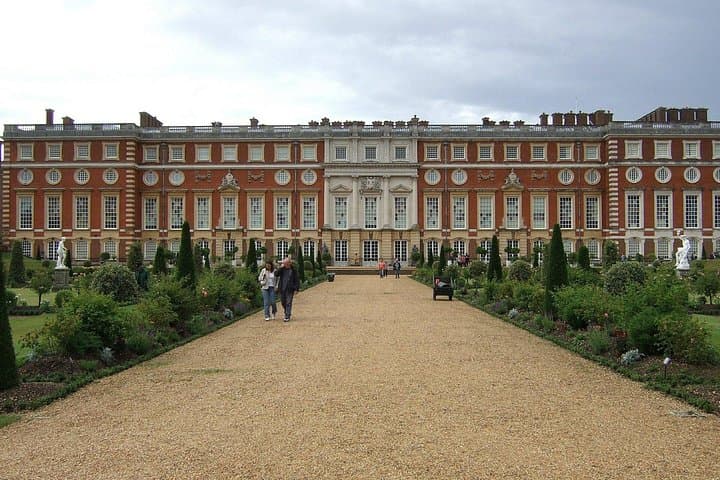
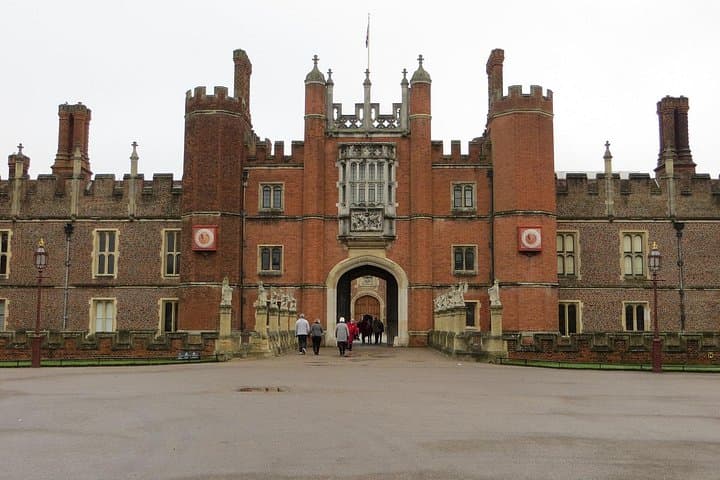
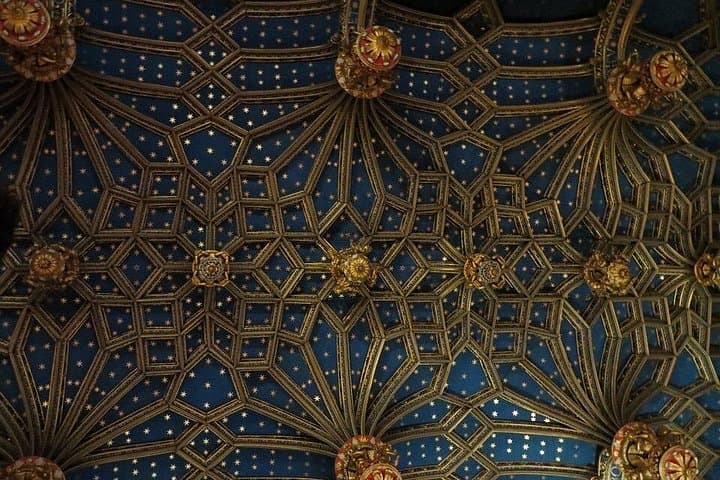
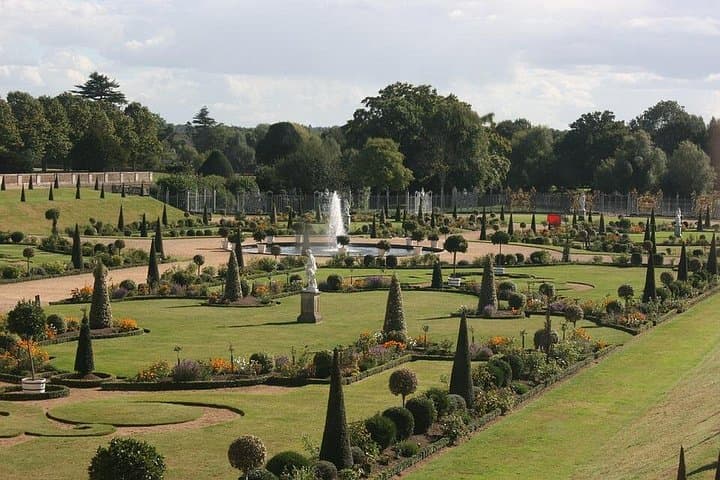
You step out of an air-conditioned car onto a stretch of pavement that has watched monarchs arrive and depart for nearly a millennium. The stone of Windsor Castle rises above the town, the Round Tower punctuating a skyline that reads like a history book; downstream, Hampton Court sprawls across the Thames, its red brick and formal gardens turning toward the river.
You step out of an air-conditioned car onto a stretch of pavement that has watched monarchs arrive and depart for nearly a millennium. The stone of Windsor Castle rises above the town, the Round Tower punctuating a skyline that reads like a history book; downstream, Hampton Court sprawls across the Thames, its red brick and formal gardens turning toward the river.
Windsor began as a Norman stronghold after 1066 and grew into the largest occupied castle in England; St George's Chapel holds royal tombs and ceremonial ritual. Hampton Court tells a different story: Cardinal Wolsey’s Tudor beginnings layered with William and Mary’s Baroque remodelling. Geology matters here too—the sites sit on the Thames floodplain and Berkshire gravel terraces that shaped estate layouts and gardens over centuries.
Culture here is performative and practical: ceremonial guard movements at Windsor, costumed interpreters in Hampton Court’s Tudor kitchens, and the maze that still confounds visitors. Local insights include a stroll through Eton’s historic college lane, a detour to Runnymede where the Magna Carta was sealed, and quieter garden corners that reward slower timing.
Practical guidance: bring valid photo ID (required at Windsor for certain tickets), wear sturdy shoes for cobbles and garden paths, and expect security screening. Peak crowds arrive midday—schedule castle time early or late to avoid queues. Both sites have cafés and accessible routes, but parts of Hampton Court are uneven; plan roughly seven hours for a full private tour from London, and keep a portable charger handy for photos and maps.