THE ADVENTURE COLLECTIVE® · Independent discovery and booking for outdoor travel

Trace money’s story from Roman altars to digital ledgers on a 2.5–3 hour guided walking tour of the City of London. Discover lesser-known sites—hidden temples, coffee houses and memorials—while practical tips help you plan for the streets, weather and crowds.
Trace money’s story from Roman altars to digital ledgers on a 2.5–3 hour guided walking tour of the City of London. Discover lesser-known sites—hidden temples, coffee houses and memorials—while practical tips help you plan for the streets, weather and crowds.
You step off the Tube and the City meets you like an old ledger snapping shut: glass towers cataloguing modern finance, narrow alleys still holding the rhythm of centuries. The tour threads through the Square Mile where coins, contracts and coffee houses once decided empires, and where a hidden Roman temple and reconstructed market stalls mark the earliest chapters of money.
Verified experiences and guided adventures in the surrounding area.
Operated by Dragon Lore · London, England
You step off the Tube and the City meets you like an old ledger snapping shut: glass towers cataloguing modern finance, narrow alleys still holding the rhythm of centuries. The tour threads through the Square Mile where coins, contracts and coffee houses once decided empires, and where a hidden Roman temple and reconstructed market stalls mark the earliest chapters of money.
History here reads in layers—Roman temples beneath pavement, medieval markets trading in bullion and grain, 17th‑century exchange rooms rebuilt after fires and the 18th‑century coffee houses that evolved into commodity markets. The River Thames carved the City’s edge and the needs of shipping, insurance and trade set the pace for banking’s rise. Cultural forces—guilds, churches and maritime insurers—shaped both ethics and excess; public installations like the Gilt of Cain and City dragons force a conversation about commerce and consequence.
The guide threads narrative with objects: a pigeon-carried market tip, a broker’s notched ledger, the bronze dragon marking jurisdiction. Expect 2.5–3 hours of mostly flat urban walking on pavements and cobbles, frequent stops and storytelling that links Babylonian clay accounts to modern ledgers and bitcoin’s architecture.
Practical notes: wear comfortable shoes and layer for London weather, allow time for photos, and bring a contactless card or mobile payment—many historic sites have restricted cash services. Tours are wheelchair accessible but check meeting-point directions; rush hour compresses footspace, so mid-morning departures are calmer. This is a walking history you can measure in footsteps and banknotes, equal parts curiosity and context.
easy.
2.5–3 hours.
Light walking ability; suitable for most fitness levels with short periods standing during commentary
The tour lasts about 2.5–3 hours with frequent stops; expect roughly 2–3 miles of mostly flat walking on pavement and cobbles.
The route is advertised as wheelchair accessible, but check meeting-point access and notify the operator of mobility needs when booking.
The tour is conducted in English; private or translated tours may be possible by request—check with the operator before booking.
This tour is suitable for curious children; strollers are usable on pavements but narrow alleys and crowded stops can be difficult during peak times.
The City of London developed as a financial centre over centuries—Roman trading posts, medieval merchant guilds and 17th–18th century exchanges set foundations for modern banking and insurance.
Many historic sites in the Square Mile are sensitive to foot traffic and commercial pressures; follow guides’ instructions, stay on designated paths and support local conservation initiatives when possible.
Dragon Lore operates guided outdoor trips and adventures with an emphasis on safety, stewardship, and memorable experiences.
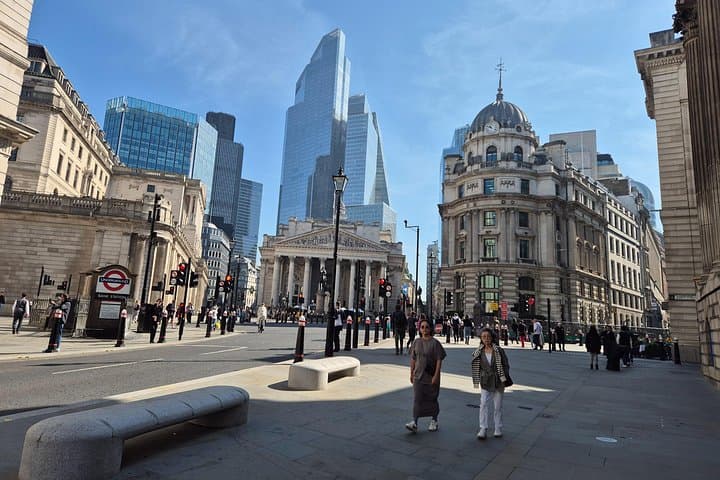
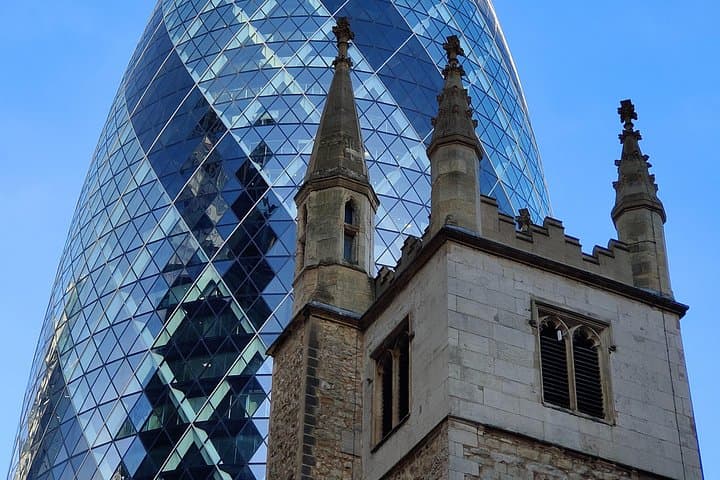
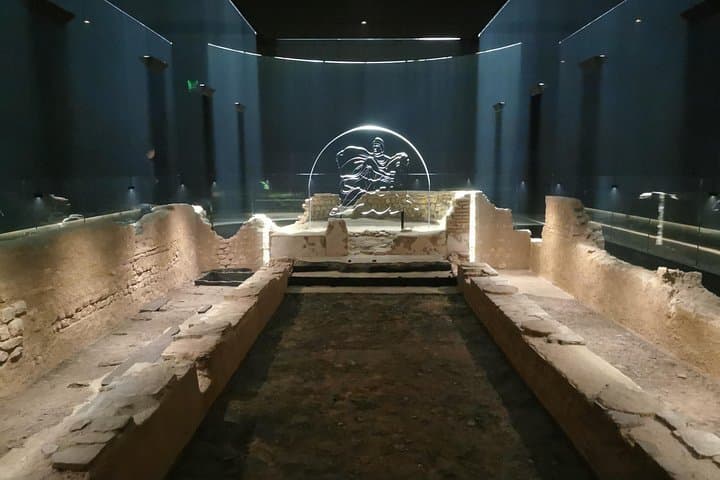
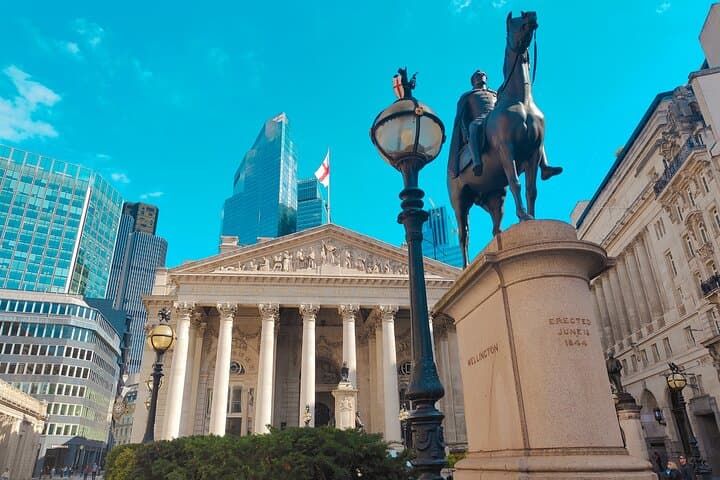
You step off the Tube and the City meets you like an old ledger snapping shut: glass towers cataloguing modern finance, narrow alleys still holding the rhythm of centuries. The tour threads through the Square Mile where coins, contracts and coffee houses once decided empires, and where a hidden Roman temple and reconstructed market stalls mark the earliest chapters of money.
You step off the Tube and the City meets you like an old ledger snapping shut: glass towers cataloguing modern finance, narrow alleys still holding the rhythm of centuries. The tour threads through the Square Mile where coins, contracts and coffee houses once decided empires, and where a hidden Roman temple and reconstructed market stalls mark the earliest chapters of money.
History here reads in layers—Roman temples beneath pavement, medieval markets trading in bullion and grain, 17th‑century exchange rooms rebuilt after fires and the 18th‑century coffee houses that evolved into commodity markets. The River Thames carved the City’s edge and the needs of shipping, insurance and trade set the pace for banking’s rise. Cultural forces—guilds, churches and maritime insurers—shaped both ethics and excess; public installations like the Gilt of Cain and City dragons force a conversation about commerce and consequence.
The guide threads narrative with objects: a pigeon-carried market tip, a broker’s notched ledger, the bronze dragon marking jurisdiction. Expect 2.5–3 hours of mostly flat urban walking on pavements and cobbles, frequent stops and storytelling that links Babylonian clay accounts to modern ledgers and bitcoin’s architecture.
Practical notes: wear comfortable shoes and layer for London weather, allow time for photos, and bring a contactless card or mobile payment—many historic sites have restricted cash services. Tours are wheelchair accessible but check meeting-point directions; rush hour compresses footspace, so mid-morning departures are calmer. This is a walking history you can measure in footsteps and banknotes, equal parts curiosity and context.