THE ADVENTURE COLLECTIVE® · Independent discovery and booking for outdoor travel

Make your own incense in a hands-on London workshop that walks you through materials, blending, and shaping into line, cone, bead, or tablet forms. Practical instruction and historical context make this a tidy introduction to a tactile craft.
Make your own incense in a hands-on London workshop that walks you through materials, blending, and shaping into line, cone, bead, or tablet forms. Practical instruction and historical context make this a tidy introduction to a tactile craft.
Step into a bright studio in central London where spice-scented air and the steady rhythm of grinders set the pace. Benches lined with glass jars, wooden molds, and trays of aromatic powders invite participants to touch raw materials and shape them into something that will burn with purpose. The first minutes are sensory—cardamom, sandalwood dust, and sweet resins—before instruction narrows focus to technique and intention.
Verified experiences and guided adventures in the surrounding area.
Operated by Zoey Filigree · London, England
Step into a bright studio in central London where spice-scented air and the steady rhythm of grinders set the pace. Benches lined with glass jars, wooden molds, and trays of aromatic powders invite participants to touch raw materials and shape them into something that will burn with purpose. The first minutes are sensory—cardamom, sandalwood dust, and sweet resins—before instruction narrows focus to technique and intention.
Incense has deep roots in trade and ritual; London’s history as a hub of the spice routes and the East India Company meant exotic resins and woods arrived here for both worship and domestic use. Geology plays a quiet role too: aromatic resins come from trees adapted to dry climates and travel long distances to be burned in temperate cities. Culturally, modern London makers blend these global traditions into contemporary forms—line incense, backflow cones, beads, and tablets—reflecting both craft revival and a demand for mindful products.
Practical instruction covers material selection, grinding, sifting, and forming a pliable incense paste, then pressing or rolling it into finished pieces. Students learn basic safety for handling powders, how to test burn quality, and ways to balance scent notes for meditation or daily use.
Plan to wear clothes you don’t mind dusting; plan for about two and a half hours. Public transport reaches most studios; bring a small box to carry finished pieces home. For first-timers, focus on technique rather than complex blends—simple, well-made incense lasts and teaches more than elaborate recipes.
easy.
2–3 hours.
No special fitness required—suitable for most abilities and ages with light standing and hand work
No—workshops are designed for beginners and cover every step from materials to finished product.
Yes; participants typically leave with their completed line incense, cones, beads, or tablets to use at home.
All materials, molds, and tools are supplied as part of the workshop fee.
Many studios allow older children supervised by adults; check age policies with the host and note small parts and powders.
London’s role in the spice trade and the East India Company helped introduce many aromatic resins and woods to British ritual and domestic practices.
Responsible studios favor sustainably sourced resins and woods; ask about provenance and avoid products made from overharvested species.
Zoey Filigree operates guided outdoor trips and adventures with an emphasis on safety, stewardship, and memorable experiences.
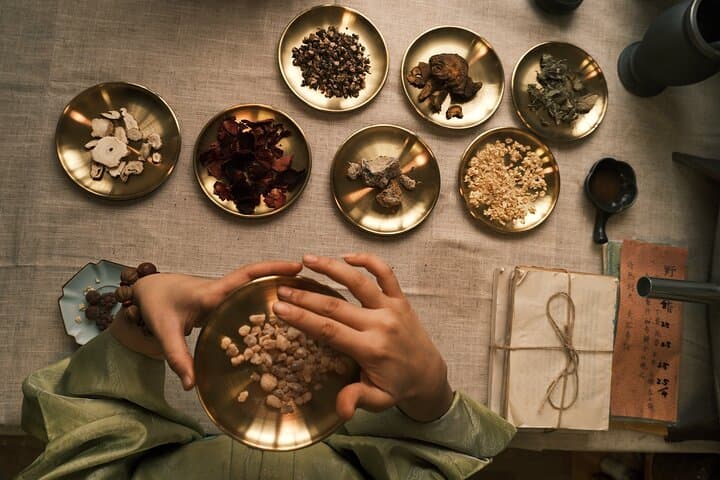
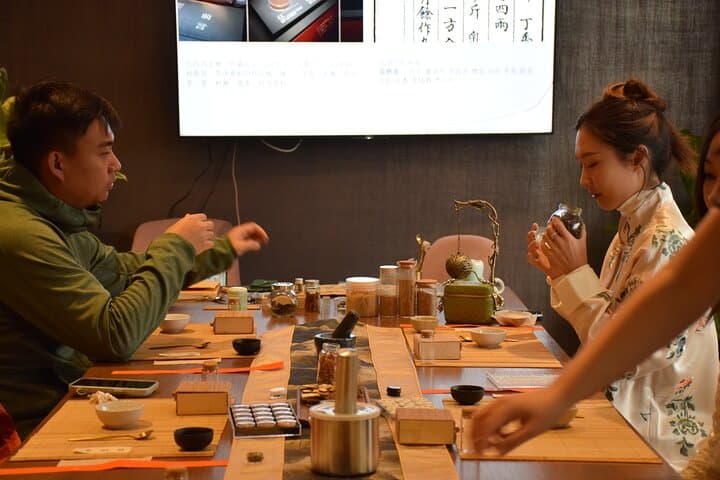
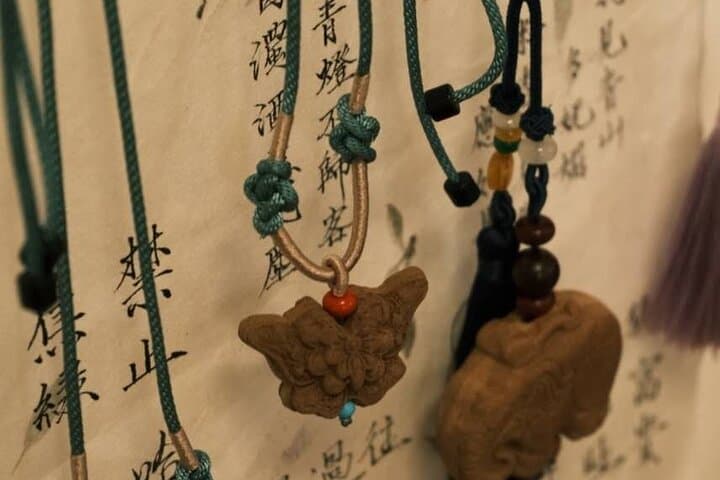
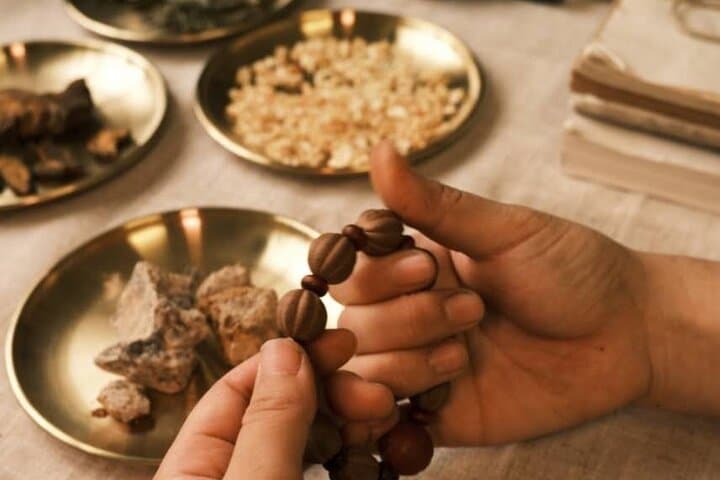
Step into a bright studio in central London where spice-scented air and the steady rhythm of grinders set the pace. Benches lined with glass jars, wooden molds, and trays of aromatic powders invite participants to touch raw materials and shape them into something that will burn with purpose. The first minutes are sensory—cardamom, sandalwood dust, and sweet resins—before instruction narrows focus to technique and intention.
Step into a bright studio in central London where spice-scented air and the steady rhythm of grinders set the pace. Benches lined with glass jars, wooden molds, and trays of aromatic powders invite participants to touch raw materials and shape them into something that will burn with purpose. The first minutes are sensory—cardamom, sandalwood dust, and sweet resins—before instruction narrows focus to technique and intention.
Incense has deep roots in trade and ritual; London’s history as a hub of the spice routes and the East India Company meant exotic resins and woods arrived here for both worship and domestic use. Geology plays a quiet role too: aromatic resins come from trees adapted to dry climates and travel long distances to be burned in temperate cities. Culturally, modern London makers blend these global traditions into contemporary forms—line incense, backflow cones, beads, and tablets—reflecting both craft revival and a demand for mindful products.
Practical instruction covers material selection, grinding, sifting, and forming a pliable incense paste, then pressing or rolling it into finished pieces. Students learn basic safety for handling powders, how to test burn quality, and ways to balance scent notes for meditation or daily use.
Plan to wear clothes you don’t mind dusting; plan for about two and a half hours. Public transport reaches most studios; bring a small box to carry finished pieces home. For first-timers, focus on technique rather than complex blends—simple, well-made incense lasts and teaches more than elaborate recipes.