THE ADVENTURE COLLECTIVE® · Independent discovery and booking for outdoor travel

Walk off the main tourist routes into London’s darkest chapters: plague pits, a newly uncovered Black Death skeleton and Samuel Pepys’ own parish. This private 2–3 hour tour blends forensic archaeology, 17th-century diary testimony and the Great Fire’s aftermath.
Walk off the main tourist routes into London’s darkest chapters: plague pits, a newly uncovered Black Death skeleton and Samuel Pepys’ own parish. This private 2–3 hour tour blends forensic archaeology, 17th-century diary testimony and the Great Fire’s aftermath.
You step off a busy modern pavement into streets that still hold the shape of medieval London: narrow lanes, worn stone, and the Thames' breath on the air. The guide pauses at an unassuming churchyard; beneath your feet are stories measured in centuries—skeletons, burial pits and the thin line between urban life and catastrophe.
Verified experiences and guided adventures in the surrounding area.
Operated by Ye Olde England Tours · London, Greater London
You step off a busy modern pavement into streets that still hold the shape of medieval London: narrow lanes, worn stone, and the Thames' breath on the air. The guide pauses at an unassuming churchyard; beneath your feet are stories measured in centuries—skeletons, burial pits and the thin line between urban life and catastrophe.
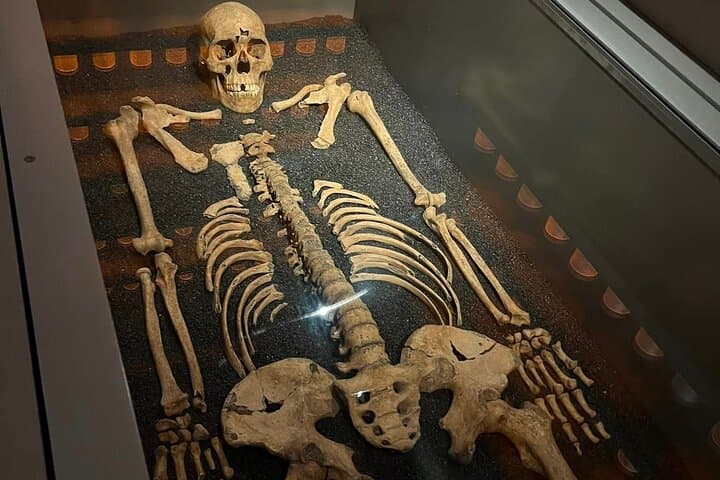
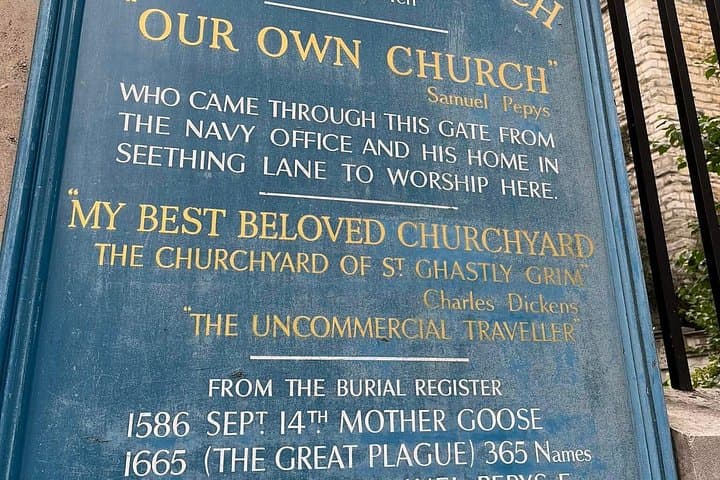
This walking tour threads two catastrophic chapters together: the Black Death of the 1340s and the later Great Plague of 1665, then closes with the pivot that helped change the city's course—the Great Fire of London in 1666. Expect to visit recorded plague pits, a recently uncovered medieval skeleton, Samuel Pepys’ burial place and the site where the Fire began and was finally subdued. The route moves from medieval parish sites to civic monuments, with stops that reveal how public health, housing density and fire risk intersected in London's growth.
The geology is urban: reclaimed riverbanks, compacted grave deposits and narrow streets that funneled smoke and disease. Cultural context comes from Pepys' eyewitness diary and the City’s legal and architectural reforms after 1666.
Practical notes: the tour is a private guided walk lasting roughly 2–3 hours with some short staircases and uneven cobbles. Wear sturdy footwear, allow time for Tube or short walks between points, and be prepared for frank discussion about human remains and mortality. Photography is common, but treat memorial sites respectfully.
moderate.
2–3 hours.
Suitable for people who can walk on uneven surfaces and climb short flights of stairs; moderate stamina recommended.
The tour lasts about 2–3 hours and covers a few kilometers with frequent stops; expect walking on cobbles and short stair sections.
The tour includes frank discussion of disease and human remains—parents and sensitive visitors should consider this before booking and can request content adjustments.
Meeting and finish points are in central London near the City; the itinerary commonly ends at The Monument to the Great Fire of London.
Yes—the route may use short Tube rides; bring an Oyster or contactless card for convenience.
The Black Death (mid-1300s) and the Great Plague (1665) devastated London; the 1666 Great Fire reshaped the city's buildings and public health responses.
Many sites are protected archaeology or listed buildings—stay on paths, avoid disturbing deposits and follow guide instructions to help preserve fragile remains and structures.
Ye Olde England Tours operates guided outdoor trips and adventures with an emphasis on safety, stewardship, and memorable experiences.
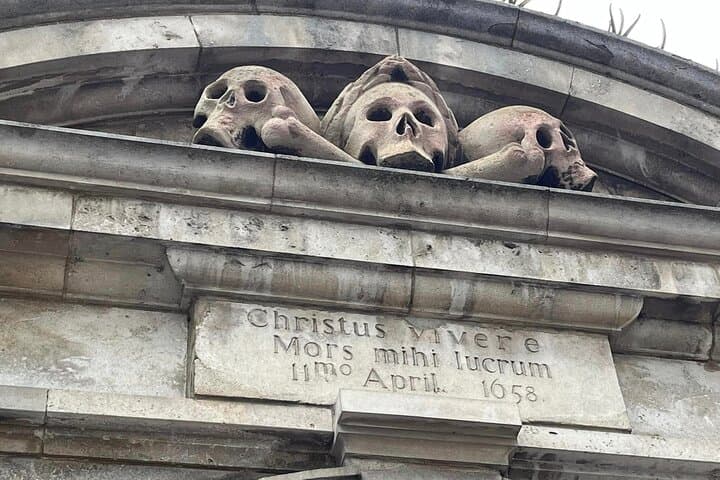
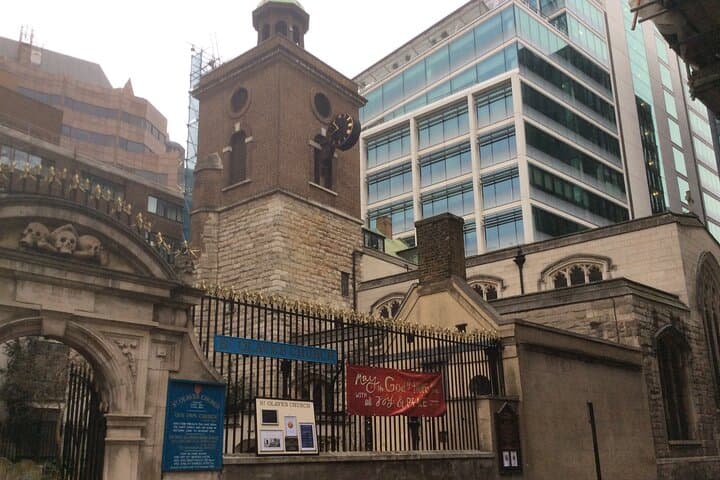
You step off a busy modern pavement into streets that still hold the shape of medieval London: narrow lanes, worn stone, and the Thames' breath on the air. The guide pauses at an unassuming churchyard; beneath your feet are stories measured in centuries—skeletons, burial pits and the thin line between urban life and catastrophe.
You step off a busy modern pavement into streets that still hold the shape of medieval London: narrow lanes, worn stone, and the Thames' breath on the air. The guide pauses at an unassuming churchyard; beneath your feet are stories measured in centuries—skeletons, burial pits and the thin line between urban life and catastrophe.
This walking tour threads two catastrophic chapters together: the Black Death of the 1340s and the later Great Plague of 1665, then closes with the pivot that helped change the city's course—the Great Fire of London in 1666. Expect to visit recorded plague pits, a recently uncovered medieval skeleton, Samuel Pepys’ burial place and the site where the Fire began and was finally subdued. The route moves from medieval parish sites to civic monuments, with stops that reveal how public health, housing density and fire risk intersected in London's growth.
The geology is urban: reclaimed riverbanks, compacted grave deposits and narrow streets that funneled smoke and disease. Cultural context comes from Pepys' eyewitness diary and the City’s legal and architectural reforms after 1666.
Practical notes: the tour is a private guided walk lasting roughly 2–3 hours with some short staircases and uneven cobbles. Wear sturdy footwear, allow time for Tube or short walks between points, and be prepared for frank discussion about human remains and mortality. Photography is common, but treat memorial sites respectfully.