THE ADVENTURE COLLECTIVE® · Independent discovery and booking for outdoor travel

Turn your phone into a map of hidden courtyards, guild history and Great Fire landmarks. This self-guided city game leads you through St Paul’s environs and forgotten pockets of the City of London in about 2–2.5 hours.
Turn your phone into a map of hidden courtyards, guild history and Great Fire landmarks. This self-guided city game leads you through St Paul’s environs and forgotten pockets of the City of London in about 2–2.5 hours.
You start at a bright square where sunlight glances off St Paul’s dome and the Monument’s stone seems to point like a finger to the sky. The city game unspools through alleys and quiet courtyards; riddles on your phone nudge you toward a market passage, a battered church wall, a small garden tucked behind iron gates.
Verified experiences and guided adventures in the surrounding area.
Operated by Secret City Trails · London, England
You start at a bright square where sunlight glances off St Paul’s dome and the Monument’s stone seems to point like a finger to the sky. The city game unspools through alleys and quiet courtyards; riddles on your phone nudge you toward a market passage, a battered church wall, a small garden tucked behind iron gates.
This route threads 20 centuries of London history: Roman trade routes gave way to medieval guilds, then the city was reshaped by the Great Fire of 1666 and again by wartime damage in the 20th century. Sir Christopher Wren’s domes and narrow timber-fronted lanes sit beside Victorian ironwork and modern glass — each stop reveals an architectural edit of the same place.
Underfoot expect a mix of paved and cobbled surfaces and occasional steps; the River Thames keeps its own pace nearby, its barges and tides reminding you the city chose this site for trade. The courtyards and small gardens act like lungs — pockets of green where the stone slows down and the city exhales.
Practically: the game runs in your phone browser and takes about 2–2.5 hours depending on pauses. Public transport access is excellent; wear comfortable shoes for uneven paving and bring a charger — directions and historic notes live on your device. The walk is family-friendly and stroller-accessible in many places, but some narrow passages and steps mean it’s not ideal for limited mobility.
Plan for changing weather, keep noise low in private courtyards, and allow time to sit by a memorial or market stall — the city reveals itself in small, patient moments.
moderate.
2–2.5 hours.
Light to moderate fitness; able to walk several kilometres at a relaxed pace and handle short stair sections.
Expect about 2–2.5 hours depending on how often you stop to read information or sit in a courtyard.
No—tickets and the game link are delivered to your email and run in your phone browser; mobile ticket accepted.
Yes for most paths; many sections are stroller-accessible but some narrow alleys and steps may require a short lift or detour.
This is a private self-guided experience once you receive the web app link; schedule flexibility is good but check cancellation terms for refunds.
This route touches the scars and rebuilds from the Great Fire of 1666, Roman market origins around Cheapside, and the civic power of medieval guilds that still name streets and halls.
These city greens and historic stones are vulnerable to wear and litter; follow local signs, keep to paths, and avoid climbing on monuments to protect fragile fabric.
Secret City Trails operates guided outdoor trips and adventures with an emphasis on safety, stewardship, and memorable experiences.
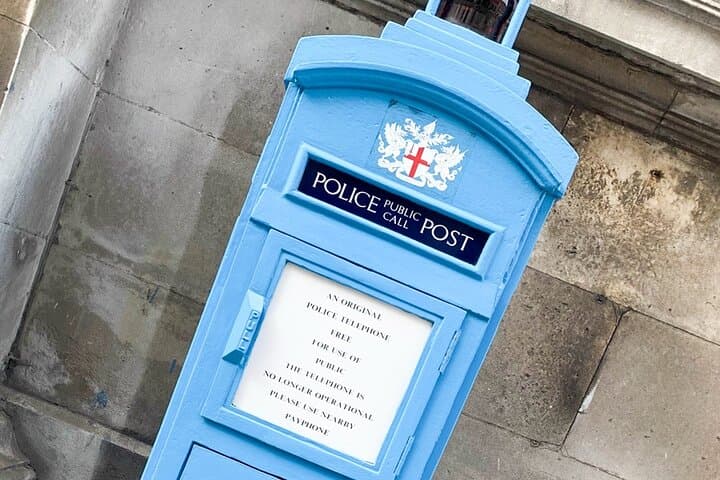



You start at a bright square where sunlight glances off St Paul’s dome and the Monument’s stone seems to point like a finger to the sky. The city game unspools through alleys and quiet courtyards; riddles on your phone nudge you toward a market passage, a battered church wall, a small garden tucked behind iron gates.
You start at a bright square where sunlight glances off St Paul’s dome and the Monument’s stone seems to point like a finger to the sky. The city game unspools through alleys and quiet courtyards; riddles on your phone nudge you toward a market passage, a battered church wall, a small garden tucked behind iron gates.
This route threads 20 centuries of London history: Roman trade routes gave way to medieval guilds, then the city was reshaped by the Great Fire of 1666 and again by wartime damage in the 20th century. Sir Christopher Wren’s domes and narrow timber-fronted lanes sit beside Victorian ironwork and modern glass — each stop reveals an architectural edit of the same place.
Underfoot expect a mix of paved and cobbled surfaces and occasional steps; the River Thames keeps its own pace nearby, its barges and tides reminding you the city chose this site for trade. The courtyards and small gardens act like lungs — pockets of green where the stone slows down and the city exhales.
Practically: the game runs in your phone browser and takes about 2–2.5 hours depending on pauses. Public transport access is excellent; wear comfortable shoes for uneven paving and bring a charger — directions and historic notes live on your device. The walk is family-friendly and stroller-accessible in many places, but some narrow passages and steps mean it’s not ideal for limited mobility.
Plan for changing weather, keep noise low in private courtyards, and allow time to sit by a memorial or market stall — the city reveals itself in small, patient moments.