THE ADVENTURE COLLECTIVE® · Independent discovery and booking for outdoor travel

Step out after dark and follow a local guide through London’s most notorious haunted sites. This two-hour walk pairs atmospheric storytelling with historical context — perfect for travelers who want eerie tales grounded in real history.
Step out after dark and follow a local guide through London’s most notorious haunted sites. This two-hour walk pairs atmospheric storytelling with historical context — perfect for travelers who want eerie tales grounded in real history.
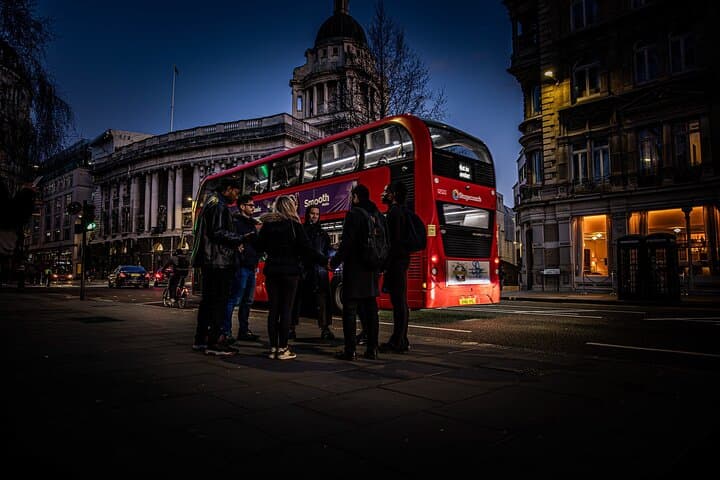
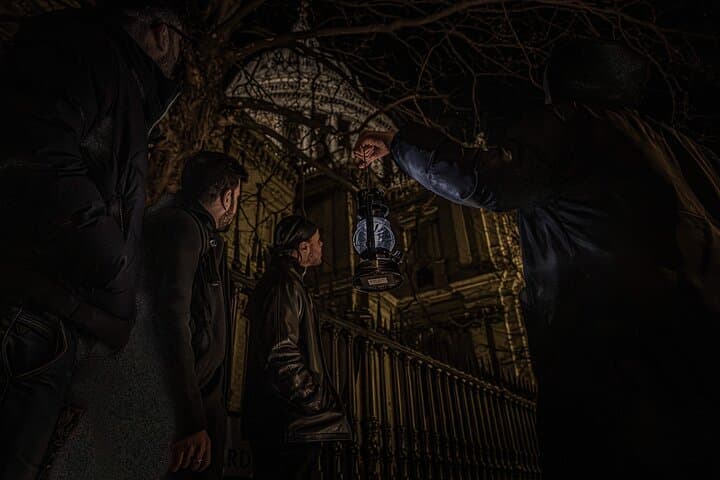
The pavement is damp, gaslights pool into the gutter, and the Thames nudges the edge of the city as your group steps off into the night.
Verified experiences and guided adventures in the surrounding area.
Operated by Carpe Diem Tours · London, England
The pavement is damp, gaslights pool into the gutter, and the Thames nudges the edge of the city as your group steps off into the night.
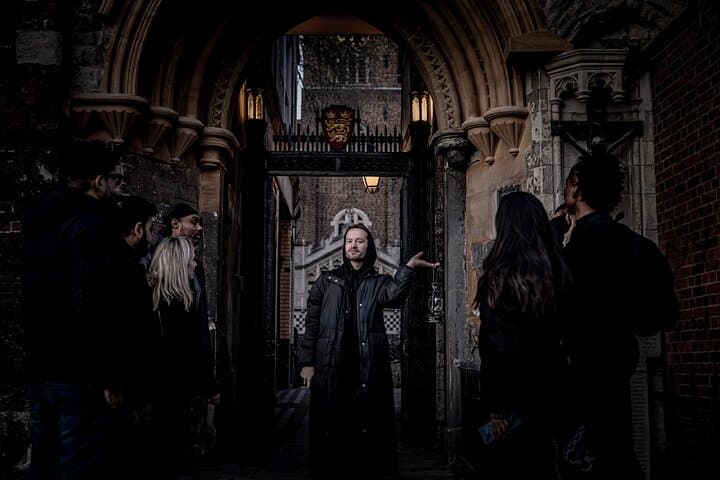
A local guide leads you through narrow lanes and open squares where stone and brick remember centuries of grief, justice, and rumor. You’ll pass Charterhouse Square’s sunken burial plots, the blood-soaked lore of Smithfield Market, and the hospital halls of St. Bartholomew’s, all threaded by the River Thames that has carved London’s geography and swallowed docks, secrets, and the bodies of the desperate.
This route folds medieval plague pits, Tudor prisons, and Victorian courts into one two-hour walk. Stories range from the Cock Lane scratching affair to phantom clergymen in St. Paul’s; the Clink Prison’s cells offer a final, raw chapter in the city’s penal past. The geology is urban — reclaimed marshes and river silt underfoot — but it matters: burial grounds and foundations shape the city’s hauntings as much as its architecture.
Expect atmospheric storytelling more than occult proof. Nights are cold and crowds can tighten on narrow alleys, so dress in layers and wear grippy shoes. Bring a charged phone for maps and photo light, plan to use public transport to and from meeting points, and arrive 10–15 minutes early. If you’re curious about London’s darker history, this walk gives context and context gives chills — a practical, immersive primer on why this city’s past still hangs around the corners.
easy.
2 hours.
Suitable for most fitness levels; involves walking on uneven pavement and short stair sections
The tour lasts about two hours and covers roughly 1.5–2 miles, paced for storytelling with frequent stops.
The content can be grisly; while physically easy, discretion is advised for young children due to graphic historical stories.
The walk includes exterior visits and storytelling; most stops are public spaces and do not require entry fees.
Tours typically run in rain; check the operator’s cancellation policy and bring weatherproof clothing.
This route threads sites from Roman foundations through Tudor prisons and Victorian markets; many hauntings tie directly to real events like plague burials and public executions.
Walking tours have a low environmental footprint; avoid littering, respect memorial sites, and follow local guidance to protect fragile historic surfaces.
Carpe Diem Tours operates guided outdoor trips and adventures with an emphasis on safety, stewardship, and memorable experiences.
The pavement is damp, gaslights pool into the gutter, and the Thames nudges the edge of the city as your group steps off into the night.
The pavement is damp, gaslights pool into the gutter, and the Thames nudges the edge of the city as your group steps off into the night.
A local guide leads you through narrow lanes and open squares where stone and brick remember centuries of grief, justice, and rumor. You’ll pass Charterhouse Square’s sunken burial plots, the blood-soaked lore of Smithfield Market, and the hospital halls of St. Bartholomew’s, all threaded by the River Thames that has carved London’s geography and swallowed docks, secrets, and the bodies of the desperate.
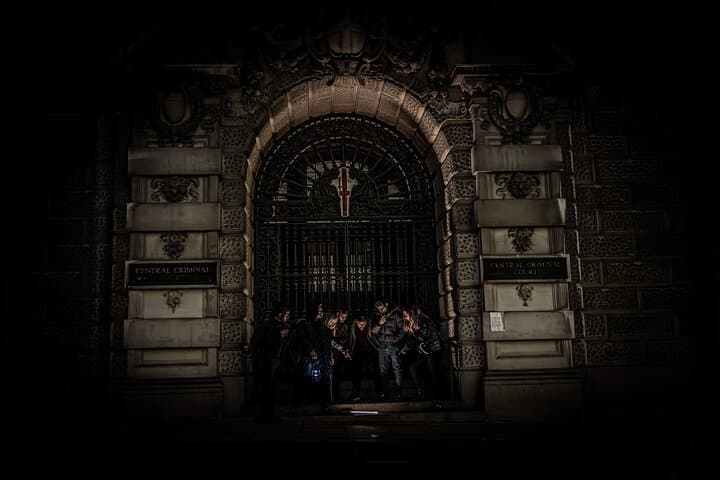
This route folds medieval plague pits, Tudor prisons, and Victorian courts into one two-hour walk. Stories range from the Cock Lane scratching affair to phantom clergymen in St. Paul’s; the Clink Prison’s cells offer a final, raw chapter in the city’s penal past. The geology is urban — reclaimed marshes and river silt underfoot — but it matters: burial grounds and foundations shape the city’s hauntings as much as its architecture.
Expect atmospheric storytelling more than occult proof. Nights are cold and crowds can tighten on narrow alleys, so dress in layers and wear grippy shoes. Bring a charged phone for maps and photo light, plan to use public transport to and from meeting points, and arrive 10–15 minutes early. If you’re curious about London’s darker history, this walk gives context and context gives chills — a practical, immersive primer on why this city’s past still hangs around the corners.