THE ADVENTURE COLLECTIVE® · Independent discovery and booking for outdoor travel

Walk the streets where the Beatles lived, recorded and filmed with a self-guided app that links 25+ narration points to exact doorways and courtyards. A 2–3 hour route connects major landmarks and secret spots—on your schedule.
Walk the streets where the Beatles lived, recorded and filmed with a self-guided app that links 25+ narration points to exact doorways and courtyards. A 2–3 hour route connects major landmarks and secret spots—on your schedule.
You step off the Tube into a street that still remembers the footfall of young musicians, the brick facades seeming to lean in as if to listen. The city’s lanes guide you between tenement doorways, pocket parks and a Soho courtyard where a piano once shaped a classic—this is Beatles London up close, on your schedule.
Verified experiences and guided adventures in the surrounding area.
Operated by Trippy Tour Guide · London, England
You step off the Tube into a street that still remembers the footfall of young musicians, the brick facades seeming to lean in as if to listen. The city’s lanes guide you between tenement doorways, pocket parks and a Soho courtyard where a piano once shaped a classic—this is Beatles London up close, on your schedule.
The route threads together well-known landmarks and private addresses: Trident Studios where “Hey Jude” first took shape, Savile Row’s rooftop memory, St Pancras Old Church’s stone archway used for the “Mad Day Out” shoot, and the Marylebone flats that briefly housed all four. Geologically, the walk crosses London’s built layers—Victorian brick atop Thames silt—so streets slope and paving stones change as history layers itself beneath your boots.
Culturally the tour sketches 1960s London: record labels in offices off Baker Street, boutique experiments on Baker Street, the gallery where John met Yoko. The app delivers narration and maps to connect the audio to precise doorways and courtyards, letting you linger where you want and move on when you don’t.
Practical guidance: plan 2–3 hours, wear cushioned shoes for uneven pavements, and charge your phone—this is an app-driven route with offline maps. Visit early morning to avoid crowds at popular stops, and respect private residences (many are lived-in townhouses). Use nearby Tube stations—Baker Street, Oxford Circus or King’s Cross—to break the walk into shorter sections. With a mix of city grit and musical lore, the self-guided tour puts you in the narrative without a schedule, letting London and the Beatles’ history set the pace.
easy.
2–3 hours.
Light walking fitness; suitable for most people who can walk on city pavements for a few hours.
The app supplies narrated stops, maps and offline directions so you can do the tour independently; no live guide is required.
The full itinerary takes about 2–3 hours but can be split into sections—use nearby Tube stations to start or stop at several points.
Yes—physical demand is low; however, plan extra breaks for younger children or those who prefer shorter walks.
Yes—the app includes a fully offline map and downloaded narration so you won’t need mobile data once content is downloaded.
The Beatles’ London story spans private residences, small recording studios like Trident, and the rooftop at 3 Savile Row—the band’s final public performance in 1969.
Respect for private homes and low-noise behavior helps preserve these living urban heritage sites; stick to sidewalks and local rules to reduce impact.
Trippy Tour Guide operates guided outdoor trips and adventures with an emphasis on safety, stewardship, and memorable experiences.
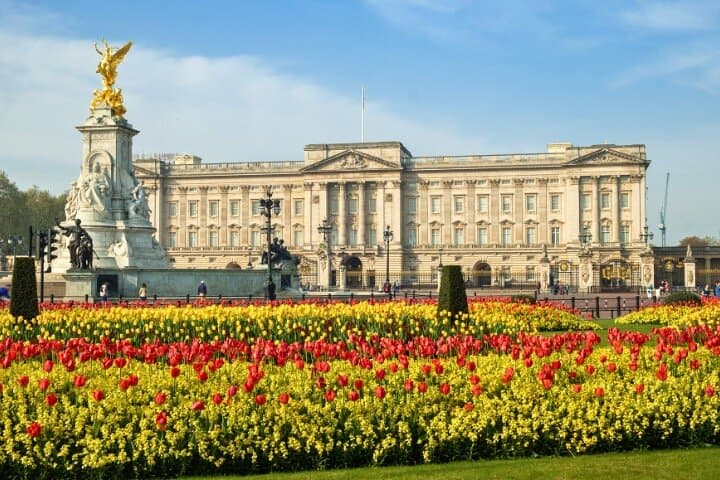
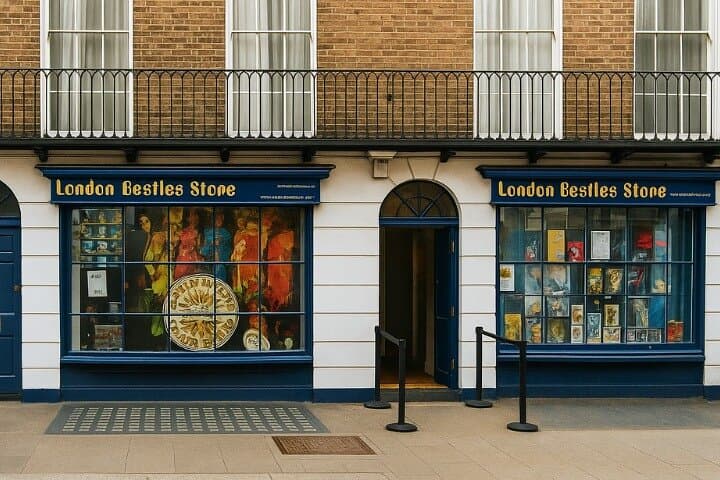
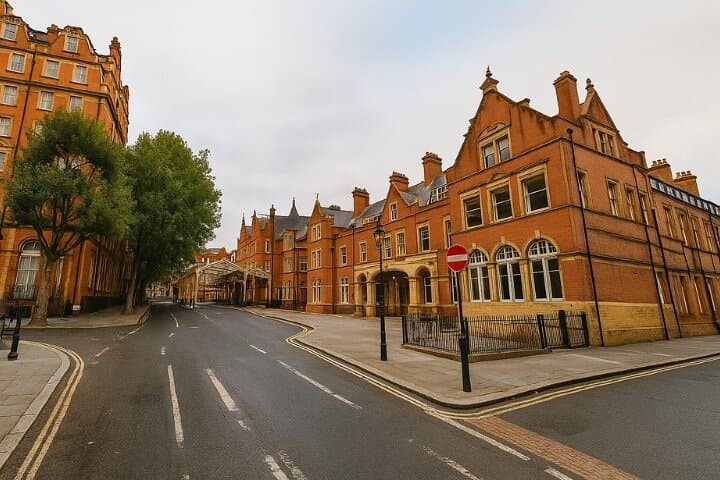

You step off the Tube into a street that still remembers the footfall of young musicians, the brick facades seeming to lean in as if to listen. The city’s lanes guide you between tenement doorways, pocket parks and a Soho courtyard where a piano once shaped a classic—this is Beatles London up close, on your schedule.
You step off the Tube into a street that still remembers the footfall of young musicians, the brick facades seeming to lean in as if to listen. The city’s lanes guide you between tenement doorways, pocket parks and a Soho courtyard where a piano once shaped a classic—this is Beatles London up close, on your schedule.
The route threads together well-known landmarks and private addresses: Trident Studios where “Hey Jude” first took shape, Savile Row’s rooftop memory, St Pancras Old Church’s stone archway used for the “Mad Day Out” shoot, and the Marylebone flats that briefly housed all four. Geologically, the walk crosses London’s built layers—Victorian brick atop Thames silt—so streets slope and paving stones change as history layers itself beneath your boots.
Culturally the tour sketches 1960s London: record labels in offices off Baker Street, boutique experiments on Baker Street, the gallery where John met Yoko. The app delivers narration and maps to connect the audio to precise doorways and courtyards, letting you linger where you want and move on when you don’t.
Practical guidance: plan 2–3 hours, wear cushioned shoes for uneven pavements, and charge your phone—this is an app-driven route with offline maps. Visit early morning to avoid crowds at popular stops, and respect private residences (many are lived-in townhouses). Use nearby Tube stations—Baker Street, Oxford Circus or King’s Cross—to break the walk into shorter sections. With a mix of city grit and musical lore, the self-guided tour puts you in the narrative without a schedule, letting London and the Beatles’ history set the pace.