THE ADVENTURE COLLECTIVE® · Independent discovery and booking for outdoor travel

A full-day expedition from Aurangabad takes you to Lonar Lake, a rare meteorite crater cut into Deccan basalt. Explore rim viewpoints, temples, and the lake shore with a guide while learning about the crater’s geological and cultural significance.
A full-day expedition from Aurangabad takes you to Lonar Lake, a rare meteorite crater cut into Deccan basalt. Explore rim viewpoints, temples, and the lake shore with a guide while learning about the crater’s geological and cultural significance.
You arrive to a rim that curves like a deliberate cut into the Deccan plains, the crater wall stepping down to a bowl of blue-green water. Dusty fields give way to acacia and scrub as the road narrows; the lake opens suddenly, its circular shore framed by steep slopes and temple towers that have watched the basin for centuries.
Verified experiences and guided adventures in the surrounding area.
Operated by Agora Voyages Pvt. Ltd. · Lonar, Maharashtra
You arrive to a rim that curves like a deliberate cut into the Deccan plains, the crater wall stepping down to a bowl of blue-green water. Dusty fields give way to acacia and scrub as the road narrows; the lake opens suddenly, its circular shore framed by steep slopes and temple towers that have watched the basin for centuries.
Lonar Lake is a geological oddity: an approximately 50,000-year-old meteorite crater carved into basalt, one of the few hypervelocity impact sites in volcanic rock. The crater’s steep walls and its saline-alkaline lake create localized microhabitats; migratory birds take brief refuge here while ancient Hindu temples—Daitya Sudan and Gomukh among them—anchor the site’s cultural life.
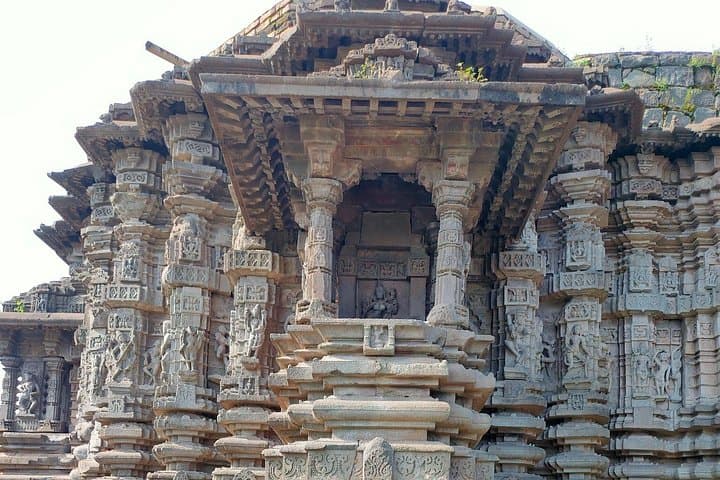
Local guides will point out basalt columns, impact breccia, and the unusual chemistry of the water while recounting legends recorded in regional texts. Caves and temple carvings offer compact examples of medieval architecture juxtaposed against a raw geological feature.
Practically, expect easy to moderate walking: a rim stroll gives panoramic views; descending into the crater involves uneven trails and loose rock. Bring plenty of water, sun protection, and comfortable shoes. Lunch is typically in a small local eatery; facilities are basic. Photography at sunrise or late afternoon softens the harsh plateau light, while cooler months make exploring more pleasant.
This is a full-day outing from Aurangabad (about 2–3 hours each way by car). Respect temple customs, pack out any trash, and follow your guide’s route to protect fragile soils and archaeological features.
moderate.
11–12 hours.
Suitable for travelers with basic fitness who can manage several hours of walking on uneven ground and short elevation changes.
The trip is roughly 120–130 km each way and typically takes 2–3 hours depending on traffic and stops.
Some monuments and protected areas may charge small local entrance fees; your guide can handle payments or advise in advance.
Yes—most routes are family-friendly but expect uneven paths; those with mobility issues should remain on the rim and avoid steep descents.
You can spot migratory and resident birds, occasional reptiles, and small mammals near the shoreline and scrub.
Lonar is referenced in regional literature and has served as a sacred site for centuries; the temples around the rim date to medieval periods built into the crater’s edge.
The crater’s fragile soils and unique water chemistry are sensitive to pollution and unmanaged tourism; follow leave-no-trace practices and stick to established paths.
Agora Voyages Pvt. Ltd. operates guided outdoor trips and adventures with an emphasis on safety, stewardship, and memorable experiences.
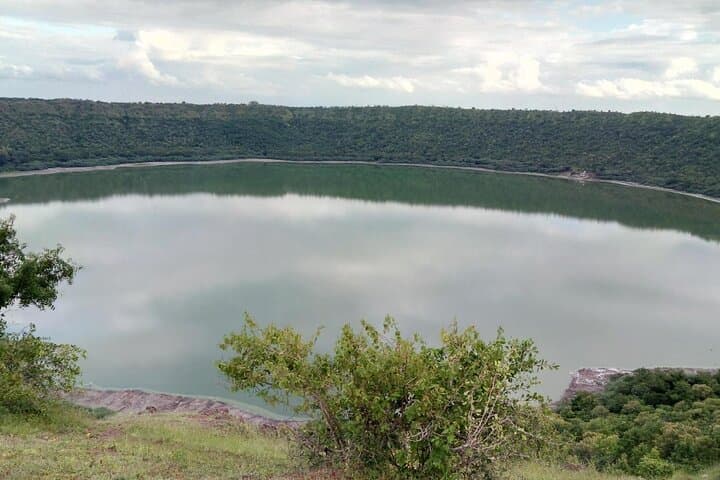
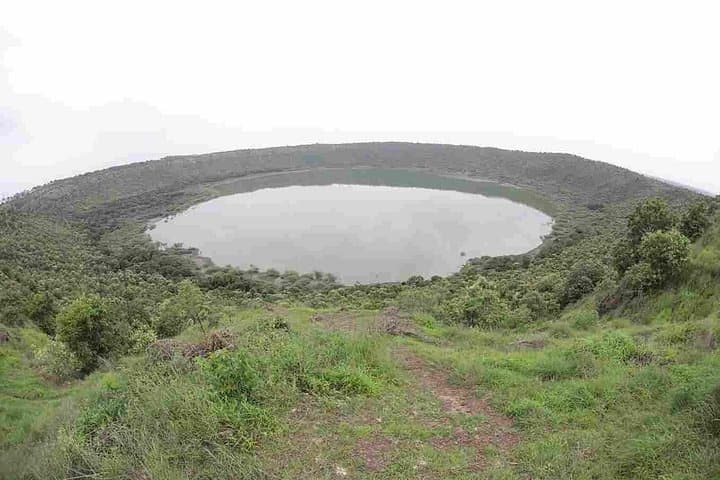
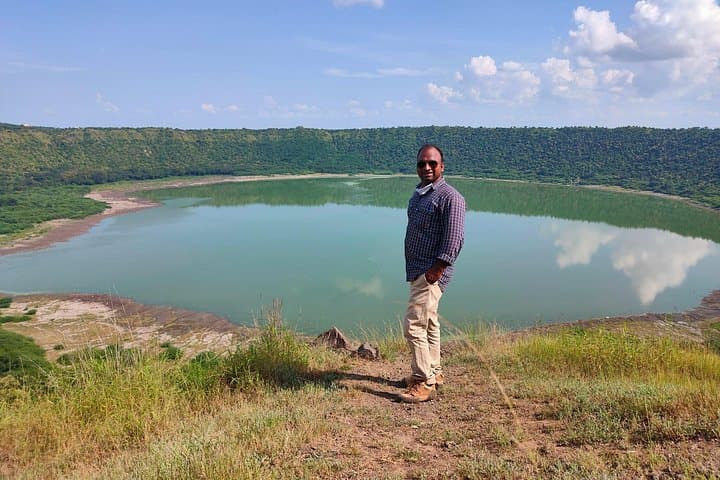
You arrive to a rim that curves like a deliberate cut into the Deccan plains, the crater wall stepping down to a bowl of blue-green water. Dusty fields give way to acacia and scrub as the road narrows; the lake opens suddenly, its circular shore framed by steep slopes and temple towers that have watched the basin for centuries.
You arrive to a rim that curves like a deliberate cut into the Deccan plains, the crater wall stepping down to a bowl of blue-green water. Dusty fields give way to acacia and scrub as the road narrows; the lake opens suddenly, its circular shore framed by steep slopes and temple towers that have watched the basin for centuries.
Lonar Lake is a geological oddity: an approximately 50,000-year-old meteorite crater carved into basalt, one of the few hypervelocity impact sites in volcanic rock. The crater’s steep walls and its saline-alkaline lake create localized microhabitats; migratory birds take brief refuge here while ancient Hindu temples—Daitya Sudan and Gomukh among them—anchor the site’s cultural life.
Local guides will point out basalt columns, impact breccia, and the unusual chemistry of the water while recounting legends recorded in regional texts. Caves and temple carvings offer compact examples of medieval architecture juxtaposed against a raw geological feature.
Practically, expect easy to moderate walking: a rim stroll gives panoramic views; descending into the crater involves uneven trails and loose rock. Bring plenty of water, sun protection, and comfortable shoes. Lunch is typically in a small local eatery; facilities are basic. Photography at sunrise or late afternoon softens the harsh plateau light, while cooler months make exploring more pleasant.
This is a full-day outing from Aurangabad (about 2–3 hours each way by car). Respect temple customs, pack out any trash, and follow your guide’s route to protect fragile soils and archaeological features.