THE ADVENTURE COLLECTIVE® · Independent discovery and booking for outdoor travel

Cross a mangrove fringe by traditional canoe and follow local guides into Nosy Be’s last original rainforest, where dwarf chameleons, playful lemurs and a fishing-village lunch define a full-day private tour. Practical tips and on-the-trail expectations included.
Cross a mangrove fringe by traditional canoe and follow local guides into Nosy Be’s last original rainforest, where dwarf chameleons, playful lemurs and a fishing-village lunch define a full-day private tour. Practical tips and on-the-trail expectations included.
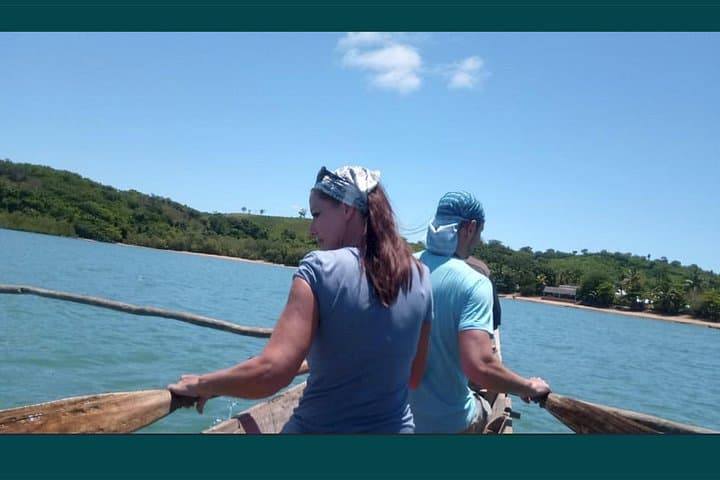
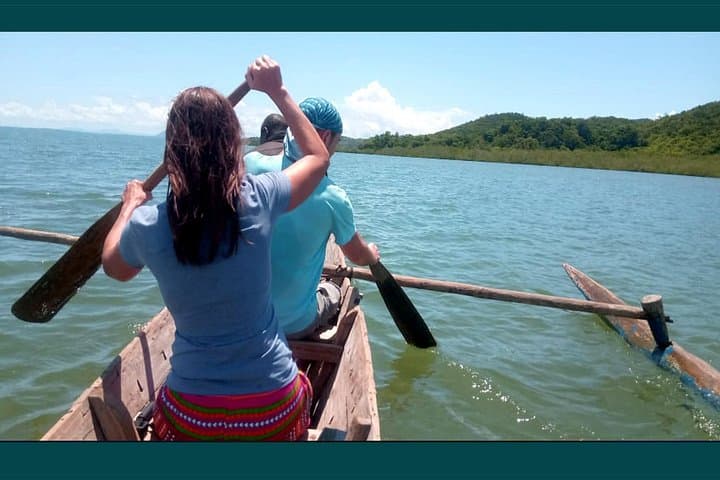
You step out of a low wooden canoe as mangrove roots brace the shallow water and the island exhales humidity and insect song. The paddle click fades and the forest takes over — a dense, low-canopy pocket of true tropical jungle that survives on the southeast corner of Nosy Be.
Verified experiences and guided adventures in the surrounding area.
Operated by Fossa Travel · Andoany (Hell-Ville), Diana
You step out of a low wooden canoe as mangrove roots brace the shallow water and the island exhales humidity and insect song. The paddle click fades and the forest takes over — a dense, low-canopy pocket of true tropical jungle that survives on the southeast corner of Nosy Be.
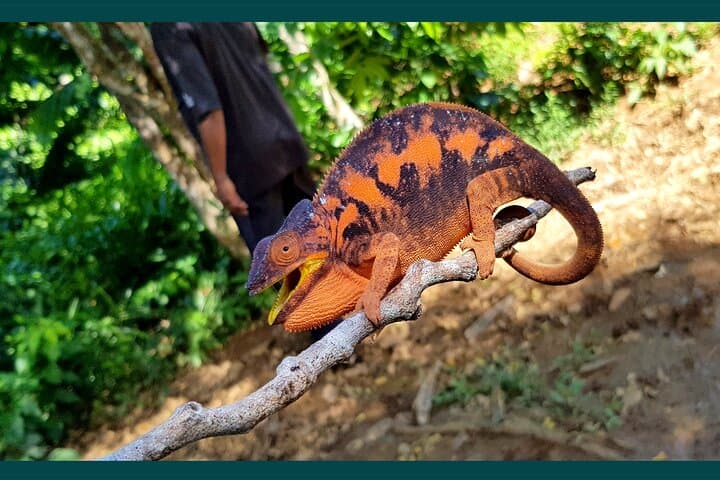
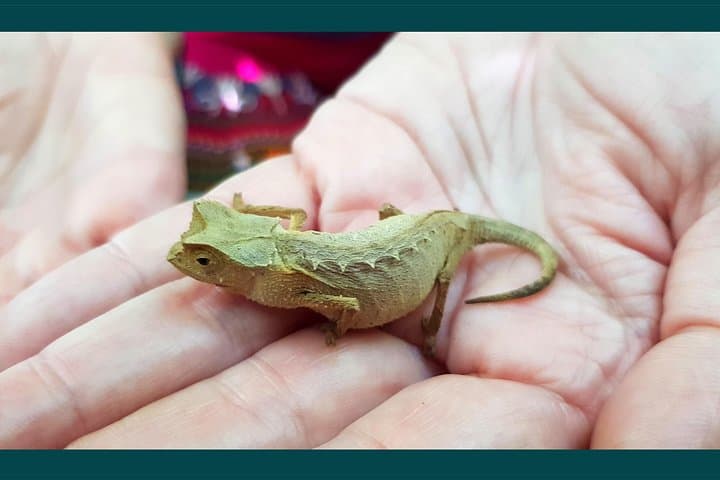
Lokobe Reserve is the island’s last fragment of original rainforest, formed on basalt and volcanic soils from the Comoros hotspot. Its understory shelters one of the world’s smallest chameleons, several broader-bodied species, ghostly leaf-tailed geckos and at least five species of wild lemur that hop and forage in the mid-canopy. Local Sakalava and Malagasy fishing villages fringe the reserve; their daily rhythms of canoeing, net mending and ritual song are as much a part of the visit as the wildlife.
The experience blends a calm ocean approach by traditional canoe, a village break for fruit and refreshments, and a guided 2–4 hour forest walk focused on close wildlife encounters and interpretation by community guides. Expect humid trails, muddy sections and low branches; the forest is compact, with sudden sunlit clearings revealing pandanus and towering palms.
Practicalities: tours run full-day (7–9 hours) with lunch in a fishing village; bring insect repellent, sun protection for the boat crossing, and sturdy, grippy shoes for wet jungle trails. Go early in the day for cooler air and more active wildlife; follow your guide’s lead near lemurs and chameleons to limit disturbance. Lokobe rewards slow observation — the forest moves with you if you move deliberately.
moderate.
7–9 hours.
Moderate endurance for a 2–4 hour jungle walk and short canoe crossings; comfortable on your feet for multiple hours.
Expect a guided forest walk of about 2–4 hours depending on wildlife sightings and group pace, plus boat transit and village time for a full-day excursion.
Local guides specialize in locating endemic species; sightings are common but not guaranteed—they depend on time of day, season and animal behavior.
The tour is described as physically easy to moderate; children and older adults can participate but should be steady on uneven, sometimes muddy terrain.
Yes — the tour includes a traditional Malagasy lunch in the fishing village and cooled soft drinks; alcoholic options may be available for adults.
Lokobe Reserve preserves one of Nosy Be’s last tracts of indigenous forest; the reserve has long been integral to local Sakalava livelihoods and traditional practices.
Community-based guiding and strict trail management limit disturbance; visitors should avoid littering, stay on paths and support local operators to fund protection.
Fossa Travel operates guided outdoor trips and adventures with an emphasis on safety, stewardship, and memorable experiences.
You step out of a low wooden canoe as mangrove roots brace the shallow water and the island exhales humidity and insect song. The paddle click fades and the forest takes over — a dense, low-canopy pocket of true tropical jungle that survives on the southeast corner of Nosy Be.
You step out of a low wooden canoe as mangrove roots brace the shallow water and the island exhales humidity and insect song. The paddle click fades and the forest takes over — a dense, low-canopy pocket of true tropical jungle that survives on the southeast corner of Nosy Be.
Lokobe Reserve is the island’s last fragment of original rainforest, formed on basalt and volcanic soils from the Comoros hotspot. Its understory shelters one of the world’s smallest chameleons, several broader-bodied species, ghostly leaf-tailed geckos and at least five species of wild lemur that hop and forage in the mid-canopy. Local Sakalava and Malagasy fishing villages fringe the reserve; their daily rhythms of canoeing, net mending and ritual song are as much a part of the visit as the wildlife.
The experience blends a calm ocean approach by traditional canoe, a village break for fruit and refreshments, and a guided 2–4 hour forest walk focused on close wildlife encounters and interpretation by community guides. Expect humid trails, muddy sections and low branches; the forest is compact, with sudden sunlit clearings revealing pandanus and towering palms.
Practicalities: tours run full-day (7–9 hours) with lunch in a fishing village; bring insect repellent, sun protection for the boat crossing, and sturdy, grippy shoes for wet jungle trails. Go early in the day for cooler air and more active wildlife; follow your guide’s lead near lemurs and chameleons to limit disturbance. Lokobe rewards slow observation — the forest moves with you if you move deliberately.