THE ADVENTURE COLLECTIVE® · Independent discovery and booking for outdoor travel

A full-day guided tour of Lokobe Reserve on Nosy Be pairs a traditional canoe crossing with rainforest hikes to find black lemurs and tiny leaf chameleons. Expect muddy trails, lowland rainforest, and a village lunch as part of a physically engaging day trip.
A full-day guided tour of Lokobe Reserve on Nosy Be pairs a traditional canoe crossing with rainforest hikes to find black lemurs and tiny leaf chameleons. Expect muddy trails, lowland rainforest, and a village lunch as part of a physically engaging day trip.
You step off a low wooden pirogue and the forest seems to inhale—humid, green, immediate. The canoe deposits you on the black-sand edge of Ampasipohy, then a narrow trail pushes inland into Lokobe Reserve, one of the last patches of lowland rainforest on Nosy Be. Birdsong and the rustle of leaf litter set the tempo as your guide threads you toward the understory where tiny chameleons and furtive lemurs move through the shadows.
Verified experiences and guided adventures in the surrounding area.
Operated by Yemaya · Hell-Ville (Andoany), Diana
You step off a low wooden pirogue and the forest seems to inhale—humid, green, immediate. The canoe deposits you on the black-sand edge of Ampasipohy, then a narrow trail pushes inland into Lokobe Reserve, one of the last patches of lowland rainforest on Nosy Be. Birdsong and the rustle of leaf litter set the tempo as your guide threads you toward the understory where tiny chameleons and furtive lemurs move through the shadows.
Lokobe sits on volcanic soils shaped by the island's geologic past; coastal plains give way quickly to thick, humid forest dominated by ebony and pandanus. The area has long been used by local Sakalava communities and borders fields of ylang-ylang that scent the approach. Culturally, visits are often tied to community guides and village lunches—an exchange that supports local stewardship.
On the trail expect 2–6 km of walking on narrow, often muddy tracks with minimal elevation gain (generally under 200 m). Wildlife highlights include black lemurs, leaf chameleons (Brookesia-type species), and a host of endemic frogs and birds; sightings depend on quiet movement and time of day. The canoe crossing is short but requires balance; guides handle paddling and logistics.
Practical guidance: wear grippy, closed-toe shoes, bring at least 2 liters of water, insect repellent, and a lightweight rain shell. Morning departures increase chances of active lemurs; late afternoon returns often deliver dramatic light along the mangrove fringe. Expect a full 9‑hour day with hotel pickup and a village lunch included—physical fitness and comfort with sustained walking are important for enjoying the reserve.
challenging.
9 hours.
Good to high level of fitness—tour involves several hours of walking on uneven, sometimes muddy terrain and a short canoe transfer.
The traditional canoe crossing from Ambatozavavy to Ampasipohy is short—typically 10–20 minutes—handled by local boatmen and included in the tour.
Lokobe hosts tiny leaf chameleons (Brookesia-type species); sightings are possible but depend on quiet, slow searching and good luck—guides know likely microhabitats.
Yes—this full-day tour includes hotel pickup, private transport to the trailhead, the canoe transfer, a village lunch, and all fees and taxes as listed in the itinerary.
No—trails are narrow, uneven, and may be slippery; the tour is not recommended for travelers with spinal, heart, or other mobility-related conditions.
Lokobe is one of the few remaining tracts of Nosy Be’s original lowland rainforest; long-associated with local Sakalava communities, the area sits beside traditional ylang-ylang plantations.
The reserve is sensitive to development and invasive species; using local guides and sticking to paths helps limit impact and directs tourism revenue back into community conservation efforts.
Yemaya operates guided outdoor trips and adventures with an emphasis on safety, stewardship, and memorable experiences.
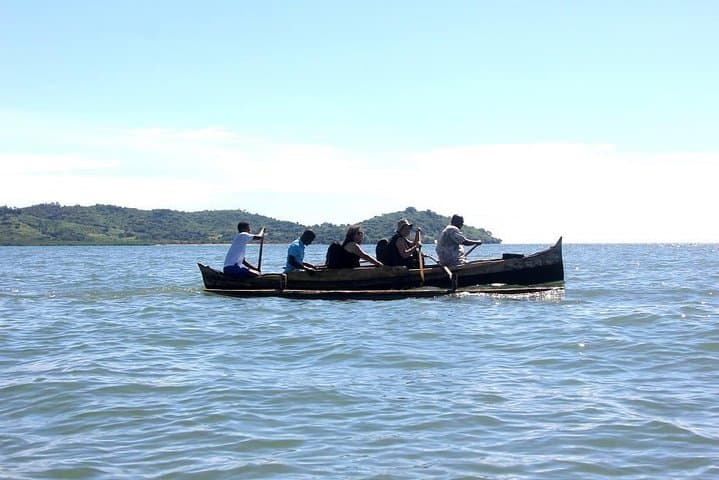
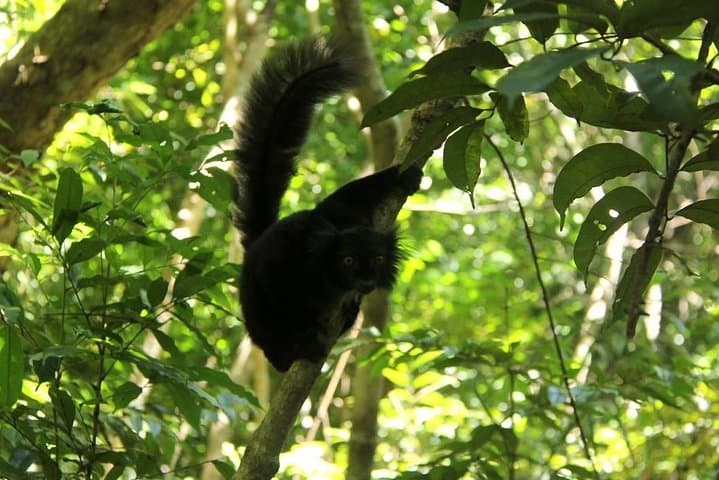
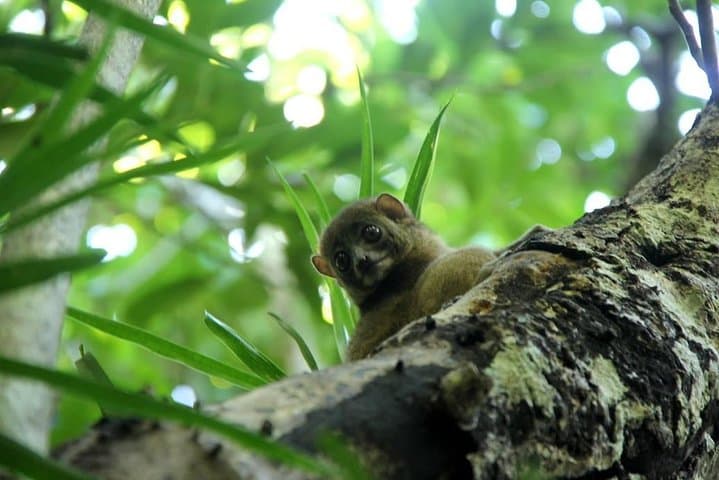
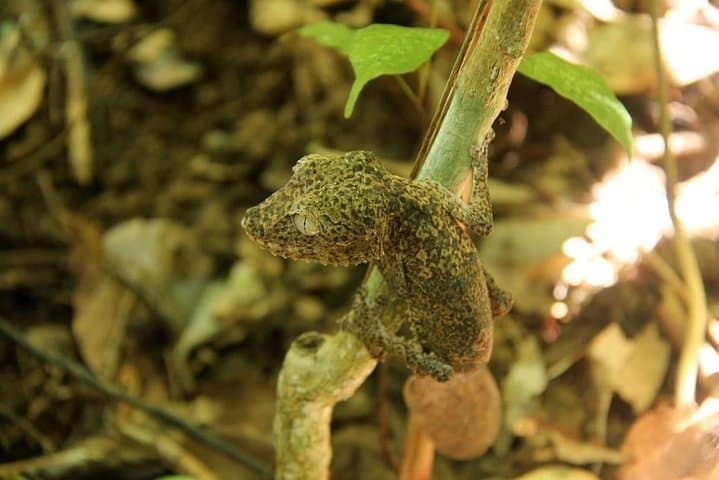
You step off a low wooden pirogue and the forest seems to inhale—humid, green, immediate. The canoe deposits you on the black-sand edge of Ampasipohy, then a narrow trail pushes inland into Lokobe Reserve, one of the last patches of lowland rainforest on Nosy Be. Birdsong and the rustle of leaf litter set the tempo as your guide threads you toward the understory where tiny chameleons and furtive lemurs move through the shadows.
You step off a low wooden pirogue and the forest seems to inhale—humid, green, immediate. The canoe deposits you on the black-sand edge of Ampasipohy, then a narrow trail pushes inland into Lokobe Reserve, one of the last patches of lowland rainforest on Nosy Be. Birdsong and the rustle of leaf litter set the tempo as your guide threads you toward the understory where tiny chameleons and furtive lemurs move through the shadows.
Lokobe sits on volcanic soils shaped by the island's geologic past; coastal plains give way quickly to thick, humid forest dominated by ebony and pandanus. The area has long been used by local Sakalava communities and borders fields of ylang-ylang that scent the approach. Culturally, visits are often tied to community guides and village lunches—an exchange that supports local stewardship.
On the trail expect 2–6 km of walking on narrow, often muddy tracks with minimal elevation gain (generally under 200 m). Wildlife highlights include black lemurs, leaf chameleons (Brookesia-type species), and a host of endemic frogs and birds; sightings depend on quiet movement and time of day. The canoe crossing is short but requires balance; guides handle paddling and logistics.
Practical guidance: wear grippy, closed-toe shoes, bring at least 2 liters of water, insect repellent, and a lightweight rain shell. Morning departures increase chances of active lemurs; late afternoon returns often deliver dramatic light along the mangrove fringe. Expect a full 9‑hour day with hotel pickup and a village lunch included—physical fitness and comfort with sustained walking are important for enjoying the reserve.