THE ADVENTURE COLLECTIVE® · Independent discovery and booking for outdoor travel

Cross mangrove channels into Lokobe Reserve, meet Sakalava fishermen in Ambatozavavy, and spend a day spotting black lemurs and chameleons. Expect a full-day, guide-led mix of easy forest trails, a traditional canoe crossing, and a beachfront lunch of freshly caught fish.
Cross mangrove channels into Lokobe Reserve, meet Sakalava fishermen in Ambatozavavy, and spend a day spotting black lemurs and chameleons. Expect a full-day, guide-led mix of easy forest trails, a traditional canoe crossing, and a beachfront lunch of freshly caught fish.
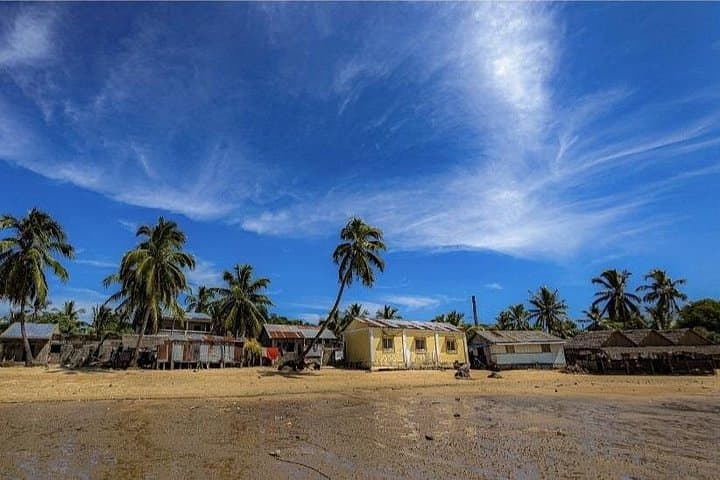
The morning opens over the Mozambique Channel in low, golden light as a small boat slips from Nosy Be toward Ambatozavavy. Mangrove roots claw at the shallows while fishermen sort nets; the water seems to push you forward toward Lokobe, where rainforest meets the sea.
Verified experiences and guided adventures in the surrounding area.
Operated by Ambatozavavy Tour · Andoany (Hell-Ville), Diana
The morning opens over the Mozambique Channel in low, golden light as a small boat slips from Nosy Be toward Ambatozavavy. Mangrove roots claw at the shallows while fishermen sort nets; the water seems to push you forward toward Lokobe, where rainforest meets the sea.
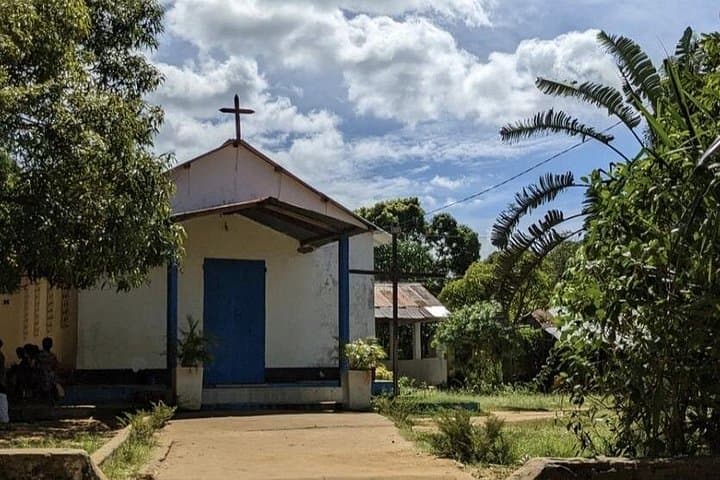
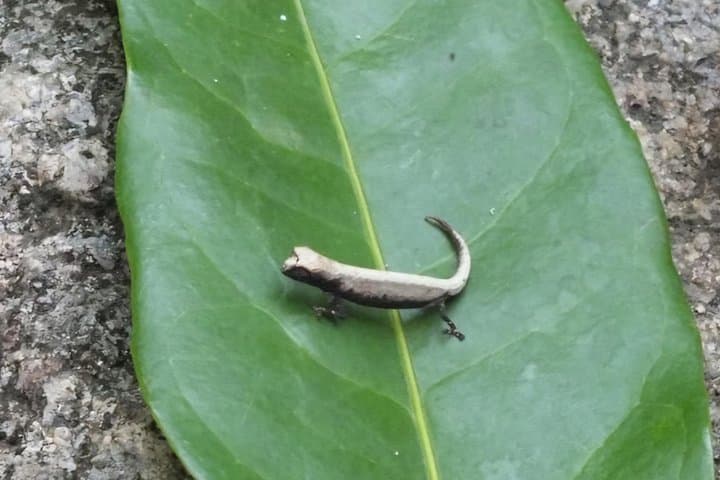
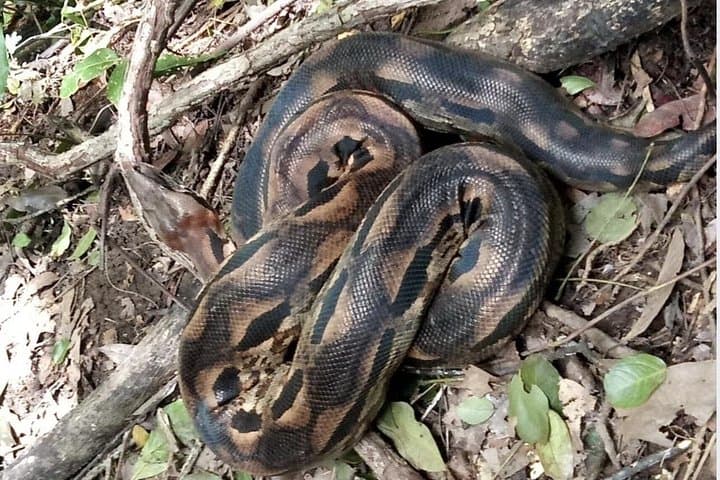
Lokobe is one of Madagascar’s last lowland rainforests on Nosy Be, formed on ancient volcanic rock and shaped by coastal tides. The reserve protects endemic black lemurs, colorful chameleons, and dense stands of hardwoods that the Sakalava people have long used for medicine and craft. Ambatozavavy village preserves Sakalava coastal traditions—fishing, canoe building, and seasonal celebrations tied to the sea.
A local guide leads the crossing—by motorized skiff or traditional pirogue—then a forest walk that ranges from packed sandy shorelines to root-laced trails. Wildlife moves deliberately here; look and listen for lemurs calling and chameleons pausing like living jewels on branches. Midday brings a lunch of the catch of the day and fresh local juices with feet in the sand and views back toward Nosy Be.
Practicalities: plan for a full-day outing (about 8 hours door-to-door), insect repellent, sun protection, and sturdy shoes with grip for wet roots and sand. Bring a small daypack with water and a rain layer—tropical showers are fast and fierce. Respect the village—ask before photographing people and follow your guide’s lead on wildlife approach distances. The trip balances gentle cultural immersion with forest exploration, ideal for travelers seeking accessible nature and authentic island life.
easy.
8 hours.
Suitable for most fitness levels; involves gentle walking on uneven forest paths and short boat transfers.
Most tours include a short transfer to Ambatozavavy bay followed by a traditional or motorized canoe crossing to the reserve entrance.
No—paths are generally short and lowland, suitable for most visitors though surfaces can be uneven and slippery after rain.
Typical inclusions are guide, bottled water, lunch (often local fish), entrance to Lokobe, and boat transfer—confirm specifics when booking.
Facilities are basic—bring essentials; some village stops may have small shops but expect limited infrastructure.
The Sakalava coastal communities have fished and navigated these waters for centuries, with local knowledge woven into reserve stewardship.
Lokobe protects endemic lowland rainforest and relies on community-based tourism; stick to trails, avoid feeding wildlife, and support local guides.
Ambatozavavy Tour operates guided outdoor trips and adventures with an emphasis on safety, stewardship, and memorable experiences.
The morning opens over the Mozambique Channel in low, golden light as a small boat slips from Nosy Be toward Ambatozavavy. Mangrove roots claw at the shallows while fishermen sort nets; the water seems to push you forward toward Lokobe, where rainforest meets the sea.
The morning opens over the Mozambique Channel in low, golden light as a small boat slips from Nosy Be toward Ambatozavavy. Mangrove roots claw at the shallows while fishermen sort nets; the water seems to push you forward toward Lokobe, where rainforest meets the sea.
Lokobe is one of Madagascar’s last lowland rainforests on Nosy Be, formed on ancient volcanic rock and shaped by coastal tides. The reserve protects endemic black lemurs, colorful chameleons, and dense stands of hardwoods that the Sakalava people have long used for medicine and craft. Ambatozavavy village preserves Sakalava coastal traditions—fishing, canoe building, and seasonal celebrations tied to the sea.
A local guide leads the crossing—by motorized skiff or traditional pirogue—then a forest walk that ranges from packed sandy shorelines to root-laced trails. Wildlife moves deliberately here; look and listen for lemurs calling and chameleons pausing like living jewels on branches. Midday brings a lunch of the catch of the day and fresh local juices with feet in the sand and views back toward Nosy Be.
Practicalities: plan for a full-day outing (about 8 hours door-to-door), insect repellent, sun protection, and sturdy shoes with grip for wet roots and sand. Bring a small daypack with water and a rain layer—tropical showers are fast and fierce. Respect the village—ask before photographing people and follow your guide’s lead on wildlife approach distances. The trip balances gentle cultural immersion with forest exploration, ideal for travelers seeking accessible nature and authentic island life.