THE ADVENTURE COLLECTIVE® · Independent discovery and booking for outdoor travel

Explore Lofton Creek’s quiet tidal channels with a professional guide—perfect for first-time paddlers and wildlife watchers. This guided kayak trip combines hands-on instruction with close-up views of Northeast Florida’s marshes and estuaries.
Explore Lofton Creek’s quiet tidal channels with a professional guide—perfect for first-time paddlers and wildlife watchers. This guided kayak trip combines hands-on instruction with close-up views of Northeast Florida’s marshes and estuaries.
The paddle begins with the river glassed like pewter at dawn, mangrove roots clawing at the edges while gulls wheel and the guide points out the first flash of an osprey.
Verified experiences and guided adventures in the surrounding area.
Operated by Adventures Up The Creek · Yulee, Florida
The paddle begins with the river glassed like pewter at dawn, mangrove roots clawing at the edges while gulls wheel and the guide points out the first flash of an osprey.
Lofton Creek runs through Nassau County near Amelia Island and Yulee, a low-relief coastal landscape carved by tidal flows and Pleistocene sands. The creek threads through salt marsh and maritime hardwoods; exposed roots and shell middens hint at a history of Indigenous use and later small-scale fishing and shrimping by coastal communities. Geologically it's all recent—broad tidal flats, thin soils and estuarine channels that shift with the seasons.
Culturally the area is quiet, tied to shrimping, coastal recreation and the tourism that springs from nearby Fernandina Beach and Jacksonville. Guides here double as interpreters, pointing out fiddler crabs, native live oaks, and the nonnative species to watch for.
On the trip expect calm, slow water suitable for first-time paddlers, punctuated by narrow bends that invite careful maneuvering. The guide provides instruction on stroke technique, shallow-water etiquette and wildlife viewing protocol so you move quietly without stressing birds or manatees.
Practical notes: wear quick-dry clothing and sun protection, bring hydration and a light dry bag for phones. Timing with the tide makes a difference—lower tides leave broader mudflats, higher tides open quiet side channels. The trip is accessible for most ages and fitness levels, but wear closed sandals or water shoes and ask about weight and health restrictions when booking. This is a low-impact, high-reward paddle that rewards attention and patience.
easy.
2 hours.
Suitable for beginners and families; basic mobility and ability to sit for extended periods required.
No—this guided trip is designed for beginners and includes basic instruction, but you should be comfortable in small watercraft and able to follow safety briefings.
Yes—guides schedule trips with tide and weather in mind; outings may be canceled for severe weather or unsafe conditions.
Meet-and-launch areas are described as accessible; check with the operator about specific mobility needs and assistance during embarkation.
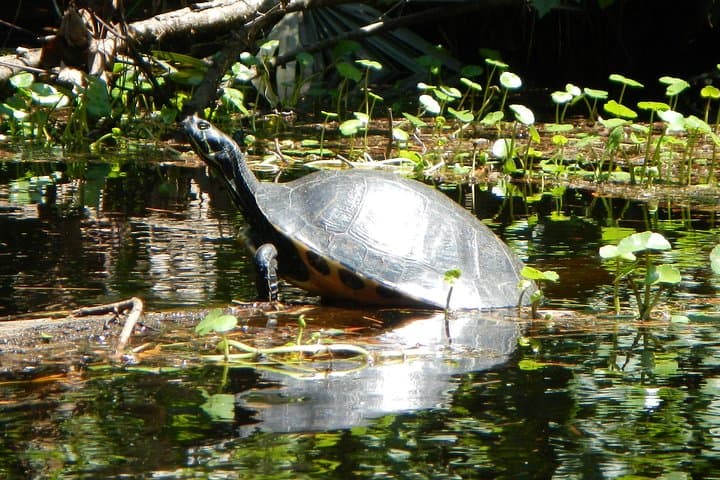
Expect shorebirds, ospreys, and possibly bottlenose dolphins or manatees in certain seasons; wildlife sightings aren't guaranteed but common.
The creek flows through lands long used by native peoples and later by small coastal fishing communities; remnants of shell middens and old fishing camps can be found in the wider region.
The estuary relies on clean freshwater inflows and protected shorelines; avoid disturbing vegetation, pack out trash, and follow guide instructions to minimize impact.
Adventures Up The Creek operates guided outdoor trips and adventures with an emphasis on safety, stewardship, and memorable experiences.
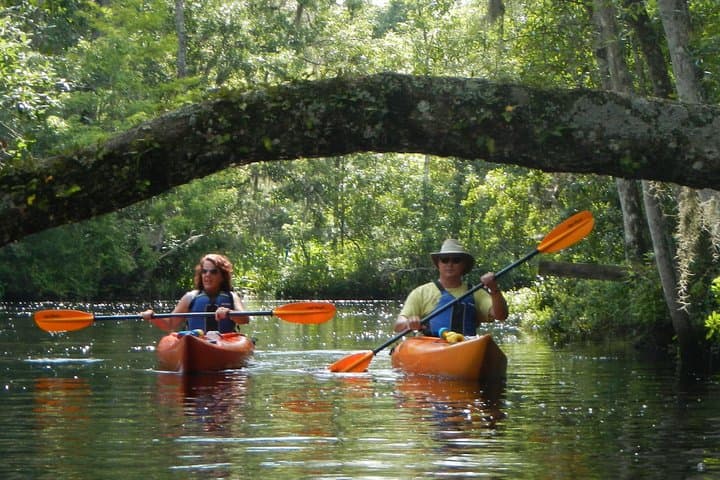
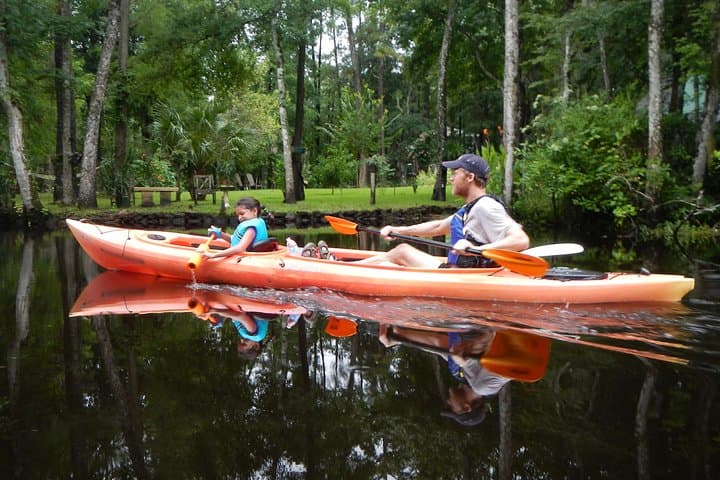
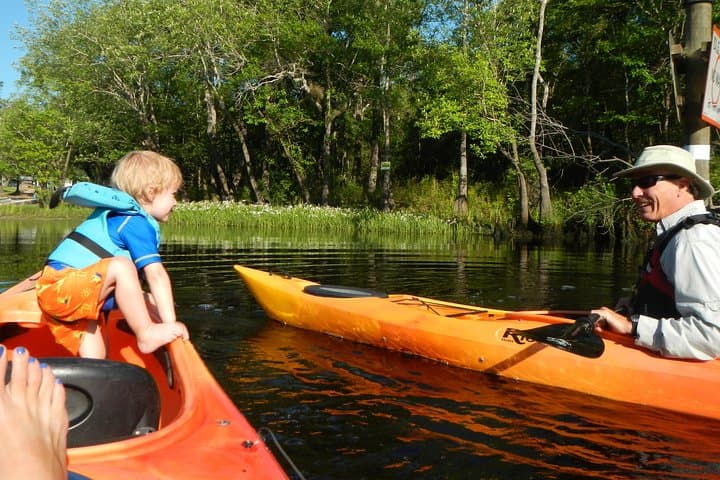
The paddle begins with the river glassed like pewter at dawn, mangrove roots clawing at the edges while gulls wheel and the guide points out the first flash of an osprey.
The paddle begins with the river glassed like pewter at dawn, mangrove roots clawing at the edges while gulls wheel and the guide points out the first flash of an osprey.
Lofton Creek runs through Nassau County near Amelia Island and Yulee, a low-relief coastal landscape carved by tidal flows and Pleistocene sands. The creek threads through salt marsh and maritime hardwoods; exposed roots and shell middens hint at a history of Indigenous use and later small-scale fishing and shrimping by coastal communities. Geologically it's all recent—broad tidal flats, thin soils and estuarine channels that shift with the seasons.
Culturally the area is quiet, tied to shrimping, coastal recreation and the tourism that springs from nearby Fernandina Beach and Jacksonville. Guides here double as interpreters, pointing out fiddler crabs, native live oaks, and the nonnative species to watch for.
On the trip expect calm, slow water suitable for first-time paddlers, punctuated by narrow bends that invite careful maneuvering. The guide provides instruction on stroke technique, shallow-water etiquette and wildlife viewing protocol so you move quietly without stressing birds or manatees.
Practical notes: wear quick-dry clothing and sun protection, bring hydration and a light dry bag for phones. Timing with the tide makes a difference—lower tides leave broader mudflats, higher tides open quiet side channels. The trip is accessible for most ages and fitness levels, but wear closed sandals or water shoes and ask about weight and health restrictions when booking. This is a low-impact, high-reward paddle that rewards attention and patience.