THE ADVENTURE COLLECTIVE® · Independent discovery and booking for outdoor travel

Take a focused two-hour cruise from Dochgarroch Lock onto Loch Ness, passing Urquhart Castle and the engineered locks of the Caledonian Canal. Expect live commentary, wildlife sightings, and dramatic shorelines—dress for wind and bring binoculars.
Take a focused two-hour cruise from Dochgarroch Lock onto Loch Ness, passing Urquhart Castle and the engineered locks of the Caledonian Canal. Expect live commentary, wildlife sightings, and dramatic shorelines—dress for wind and bring binoculars.
The boat slips free at Dochgarroch Lock and the canal narrows into a deliberate corridor of water; reeds brush the hull and the high, glassy face of Loch Ness opens ahead, daring you to look for something ancient beneath. Over two hours you move between engineered locks and the vast, dark lake—passing the crumbled silhouette of Urquhart Castle as the shorelines slide by.
Verified experiences and guided adventures in the surrounding area.
Operated by Loch Ness by Jacobite · Inverness, Highland
The boat slips free at Dochgarroch Lock and the canal narrows into a deliberate corridor of water; reeds brush the hull and the high, glassy face of Loch Ness opens ahead, daring you to look for something ancient beneath. Over two hours you move between engineered locks and the vast, dark lake—passing the crumbled silhouette of Urquhart Castle as the shorelines slide by.
This route follows Thomas Telford’s early 19th-century Caledonian Canal, a feat of engineering meant to link Scotland’s east and west. Geology here is stark: glacially carved depths and schist bedrock give Loch Ness its long, deep basin—the lake reaches over 200 meters in places—while scattered broch-ruins and castle stones mark centuries of Highland history and clan stories.
Onboard commentary frames local culture, pointing out farmsteads, peat-dotted moors and the Victorian-era canal locks. Wildlife is part of the program: otters and wintering ducks are frequent, raptors quarter the updrafts, and the water itself seems to push the boat forward with quiet insistence.
Practicalities: the cruise is two hours, departs from the Dochgarroch basin near Inverness, and is wheelchair-accessible with live narration. Dress in layers and bring a windproof—Loch Ness can be cool and exposed even on a clear day. Binoculars and a charged camera improve your chances of spotting birds and shoreline ruins. If you’re prone to motion sickness, plan ahead with medication or a forward seat. Bookings are typically flexible with 24-hour cancellation; tours run year-round but check seasonal schedules in advance.
easy.
2 hours.
Suitable for all fitness levels; minimal mobility required to board the vessel
The cruise departs from Dochgarroch Lock/basin, a short drive north of central Inverness; meeting instructions are provided at booking.
Yes — the operator lists wheelchair access and provides assistance boarding when needed; notify them at booking.
No — the tour passes Urquhart Castle for viewing from the water but does not include land admission.
You can receive a full refund if you cancel at least 24 hours before the scheduled departure; check your booking confirmation for details.
The Caledonian Canal was built in the early 1800s under engineer Thomas Telford to create a safer maritime route; the corridor passes sites tied to clan history and Victorian-era canal operations.
Loch Ness and the Caledonian Canal are managed to balance recreation with habitat protection—respect no-wake zones and avoid disturbing nesting birds or shoreline wildlife.
Loch Ness by Jacobite operates guided outdoor trips and adventures with an emphasis on safety, stewardship, and memorable experiences.
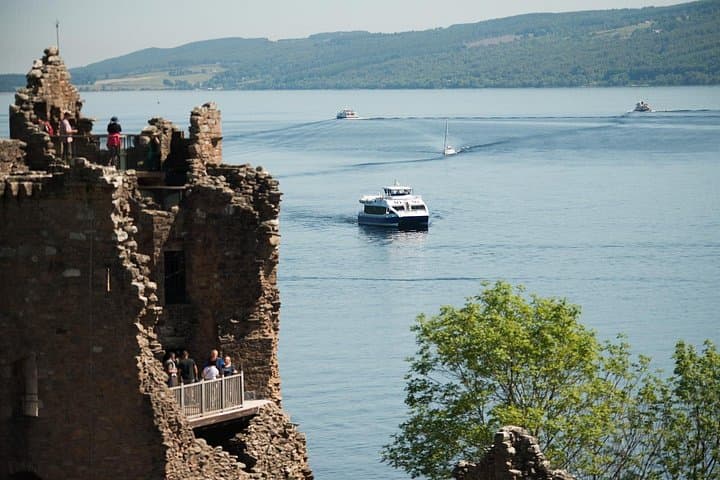
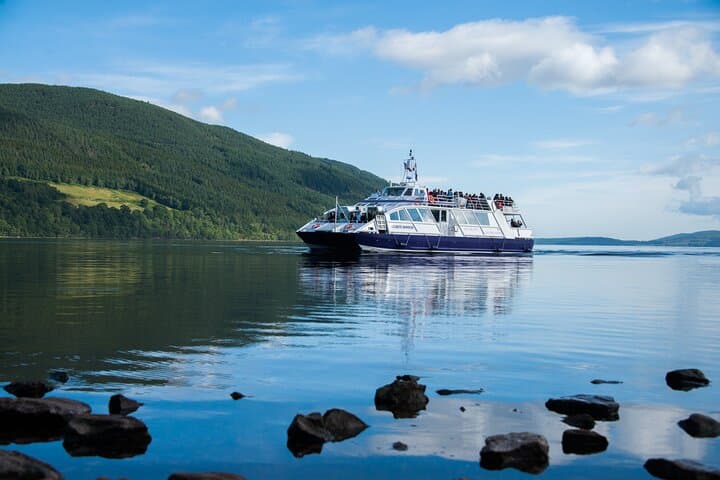
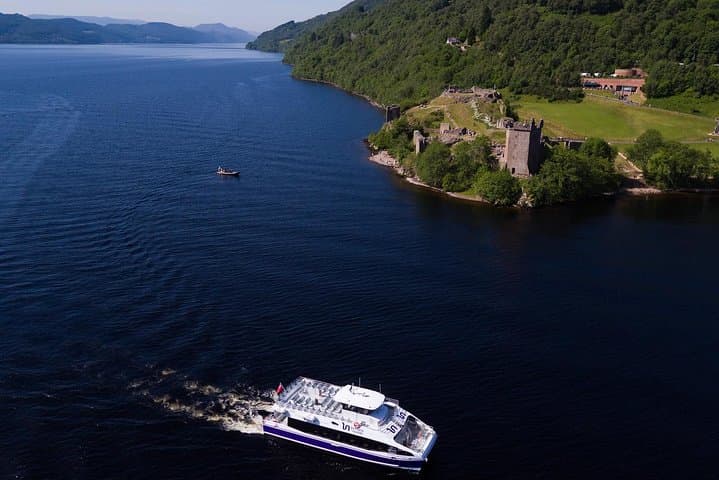
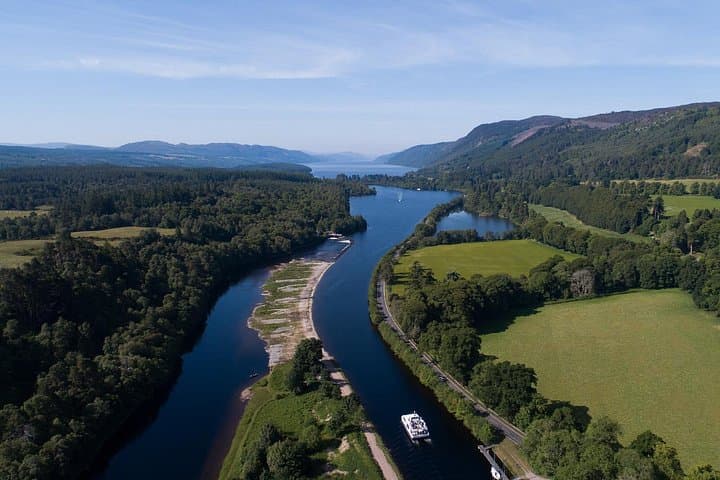
The boat slips free at Dochgarroch Lock and the canal narrows into a deliberate corridor of water; reeds brush the hull and the high, glassy face of Loch Ness opens ahead, daring you to look for something ancient beneath. Over two hours you move between engineered locks and the vast, dark lake—passing the crumbled silhouette of Urquhart Castle as the shorelines slide by.
The boat slips free at Dochgarroch Lock and the canal narrows into a deliberate corridor of water; reeds brush the hull and the high, glassy face of Loch Ness opens ahead, daring you to look for something ancient beneath. Over two hours you move between engineered locks and the vast, dark lake—passing the crumbled silhouette of Urquhart Castle as the shorelines slide by.
This route follows Thomas Telford’s early 19th-century Caledonian Canal, a feat of engineering meant to link Scotland’s east and west. Geology here is stark: glacially carved depths and schist bedrock give Loch Ness its long, deep basin—the lake reaches over 200 meters in places—while scattered broch-ruins and castle stones mark centuries of Highland history and clan stories.
Onboard commentary frames local culture, pointing out farmsteads, peat-dotted moors and the Victorian-era canal locks. Wildlife is part of the program: otters and wintering ducks are frequent, raptors quarter the updrafts, and the water itself seems to push the boat forward with quiet insistence.
Practicalities: the cruise is two hours, departs from the Dochgarroch basin near Inverness, and is wheelchair-accessible with live narration. Dress in layers and bring a windproof—Loch Ness can be cool and exposed even on a clear day. Binoculars and a charged camera improve your chances of spotting birds and shoreline ruins. If you’re prone to motion sickness, plan ahead with medication or a forward seat. Bookings are typically flexible with 24-hour cancellation; tours run year-round but check seasonal schedules in advance.