THE ADVENTURE COLLECTIVE® · Independent discovery and booking for outdoor travel

Spend a full day from Edinburgh tracing Scotland’s high‑ground history: the engineered sweep of the Forth bridges, the volcanic bulwark of Dumbarton Castle, the wind‑tossed shores of Loch Lomond and the hilltop grandeur of Stirling Castle. This private tour balances short walks, storytelling and scenic stops.
Spend a full day from Edinburgh tracing Scotland’s high‑ground history: the engineered sweep of the Forth bridges, the volcanic bulwark of Dumbarton Castle, the wind‑tossed shores of Loch Lomond and the hilltop grandeur of Stirling Castle. This private tour balances short walks, storytelling and scenic stops.
The morning car slips out of Edinburgh and the landscape opens—harsh stone, river lowlands, then the Firth of Forth with its trio of bridges standing like engineered cliffs against the sky. You breathe colder air as the route climbs toward Loch Lomond; the loch’s surface argues with the wind and the village of Luss sits along the shore in compact, stone‑faced rows.
Verified experiences and guided adventures in the surrounding area.
Operated by Ed Private Tours · Edinburgh, Scotland
The morning car slips out of Edinburgh and the landscape opens—harsh stone, river lowlands, then the Firth of Forth with its trio of bridges standing like engineered cliffs against the sky. You breathe colder air as the route climbs toward Loch Lomond; the loch’s surface argues with the wind and the village of Luss sits along the shore in compact, stone‑faced rows.
This route stitches together layers of Scottish history and geology. Dumbarton Rock is an ancient volcanic plug that held strategic control of the Clyde for centuries; its castle records Pictish, medieval and modern military use. Stirling Castle perches on an igneous crag that made it a natural fortress—kings crowned here and armies contested Scotland’s central corridor. Loch Lomond itself is the largest freshwater body in the UK, carved by glacial action and framed by steep, grassy hills.
Along the way local culture surfaces in small ways: village pubs that still pour ale by the pint, Gaelic place names, and craft shops selling tweed and woodwork. Wildlife is discrete—watch for otter tracks along the loch and red deer on distant ridges.
Practical side: this is a full, private day (about 8–9 hours) with short walks at each stop rather than long hikes. Wear sturdy walking shoes, layer for wind and rain, and bring a refillable water bottle. Tickets for Stirling and Dumbarton are often extra—check opening times and consider the Historic Scotland Explorer Pass if you plan multiple castles. Aim to travel outside rush hours to get the most time at each stop and let your driver/guide tailor the pace to your group’s interests.
moderate.
8–9 hours.
Suitable for travelers with moderate fitness—short to medium walks and some stair/climb sections at castle sites.
Default pick‑up and drop‑off are in central Edinburgh (West Register Office area); exact vehicle details are provided the day before.
Admission fees for Stirling and Dumbarton are typically not included—check the tour listing and consider pre‑booking tickets or using a Historic Scotland Explorer Pass.
Yes—children aged 5 and up are welcome; booster seats are provided. Expect moderate walking and some stair climbs at castles.
Yes—this is a private tour and the driver/guide can adjust stops and timings within the day’s schedule subject to opening times and traffic.
Dumbarton Rock served as a strategic stronghold from the early medieval kingdom of Strathclyde, while Stirling Castle guarded Scotland’s central route and was central to royal ceremonies and conflicts.
Loch Lomond sits inside a national park with path maintenance and habitat protections—stick to marked trails, avoid disturbing nesting birds, and pack out litter.
Ed Private Tours operates guided outdoor trips and adventures with an emphasis on safety, stewardship, and memorable experiences.

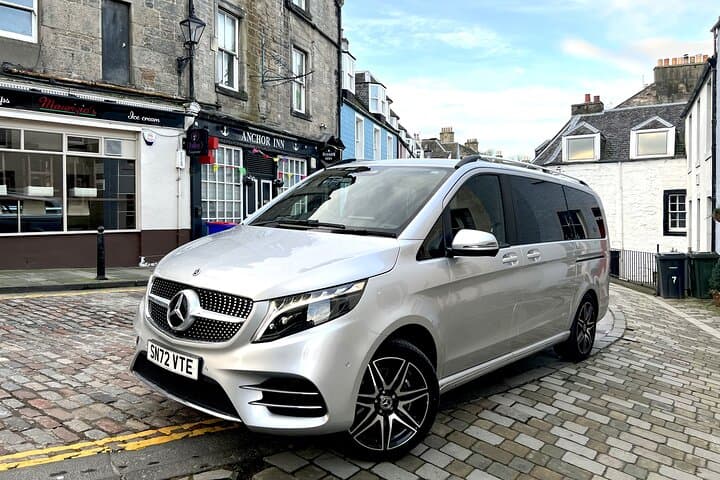


The morning car slips out of Edinburgh and the landscape opens—harsh stone, river lowlands, then the Firth of Forth with its trio of bridges standing like engineered cliffs against the sky. You breathe colder air as the route climbs toward Loch Lomond; the loch’s surface argues with the wind and the village of Luss sits along the shore in compact, stone‑faced rows.
The morning car slips out of Edinburgh and the landscape opens—harsh stone, river lowlands, then the Firth of Forth with its trio of bridges standing like engineered cliffs against the sky. You breathe colder air as the route climbs toward Loch Lomond; the loch’s surface argues with the wind and the village of Luss sits along the shore in compact, stone‑faced rows.
This route stitches together layers of Scottish history and geology. Dumbarton Rock is an ancient volcanic plug that held strategic control of the Clyde for centuries; its castle records Pictish, medieval and modern military use. Stirling Castle perches on an igneous crag that made it a natural fortress—kings crowned here and armies contested Scotland’s central corridor. Loch Lomond itself is the largest freshwater body in the UK, carved by glacial action and framed by steep, grassy hills.
Along the way local culture surfaces in small ways: village pubs that still pour ale by the pint, Gaelic place names, and craft shops selling tweed and woodwork. Wildlife is discrete—watch for otter tracks along the loch and red deer on distant ridges.
Practical side: this is a full, private day (about 8–9 hours) with short walks at each stop rather than long hikes. Wear sturdy walking shoes, layer for wind and rain, and bring a refillable water bottle. Tickets for Stirling and Dumbarton are often extra—check opening times and consider the Historic Scotland Explorer Pass if you plan multiple castles. Aim to travel outside rush hours to get the most time at each stop and let your driver/guide tailor the pace to your group’s interests.