THE ADVENTURE COLLECTIVE® · Independent discovery and booking for outdoor travel

Move through Umrah with confidence: a local guide clarifies rites, manages crowds, and offers cultural context so pilgrims can focus on intention. Learn what to expect, how to prepare, and practical tips for timing, dress, and hydration.
Move through Umrah with confidence: a local guide clarifies rites, manages crowds, and offers cultural context so pilgrims can focus on intention. Learn what to expect, how to prepare, and practical tips for timing, dress, and hydration.
The air around Masjid al-Haram is purposeful—voices rise and fall, sandals whisper on marble, and the Kaaba holds a steady, magnetic focus at the center of human motion. A Local Umrah Guide escorts you through that rhythm, moving from the approach through the courtyard into the precise movements of tawaf and sa’i, translating ritual into clear steps so travelers can concentrate on meaning more than logistics.
Verified experiences and guided adventures in the surrounding area.
Operated by Bakeel Local Umrah Guide · Mecca, Makkah Province
The air around Masjid al-Haram is purposeful—voices rise and fall, sandals whisper on marble, and the Kaaba holds a steady, magnetic focus at the center of human motion. A Local Umrah Guide escorts you through that rhythm, moving from the approach through the courtyard into the precise movements of tawaf and sa’i, translating ritual into clear steps so travelers can concentrate on meaning more than logistics.
Mecca sits in the rocky Hijaz foothills; its stone and wadis shaped trade and pilgrimage routes for centuries. The Kaaba’s role predates modern borders, and Umrah draws on layered practices shaped by Islamic history, Ottoman-era courtyard expansions, and recent Saudi improvements to crowd flow. Local cultural norms—gender-separated facilities, modest dress, and quiet reverence—govern every step inside the mosque and around surrounding markets.
Practical guidance is straightforward: plan timing to avoid peak prayer hours, allow two to four hours for a guided Umrah that includes instruction, and keep documentation and passport info accessible. Wear breathable modest clothing (men performing Ihram should prepare accordingly), shoes that slip off easily, and a small bag for Zamzam water and essentials. Hydrate before entering the mosque; air-conditioned corridors and shaded colonnades help, but Mecca’s heat can be intense in summer.
A knowledgeable local guide speeds movement through security, explains rites clearly, and points to quieter corners for reflection. For non-Muslim travelers, cultural tours of Jeddah or historic Hijaz sites offer context outside the Haram.
This experience is both spiritual and logistical—organized guidance minimizes friction so you can focus on the ritual itself.
moderate.
2–4 hours.
Requires moderate physical fitness: long periods of standing and walking on hard surfaces, plus navigating crowds.
No. Entry to the city of Mecca and performance of Umrah are restricted to Muslims under Saudi regulations; non-Muslims can book cultural tours in other cities like Jeddah.
Guided services usually take between two and four hours depending on crowd levels, instruction depth, and whether the guide includes extra stops for prayer or explanation.
Travelers must hold a valid passport, an appropriate visa (often an Umrah or Hajj visa depending on timing), and any required vaccination certificates; keep originals on hand for checks.
Not recommended for those with serious spinal or cardiovascular conditions—expect standing, walking, and crowded movement; contact the provider about accommodations or alternative arrangements.
Mecca has been a pilgrimage center for centuries; the Kaaba has been the focal point of rites that evolved into today’s Hajj and Umrah, with successive expansions of the Haram altering how crowds circulate.
High visitor volumes strain water and waste systems; follow local guidance on waste disposal, avoid single-use plastics where possible, and respect mosque rules to protect the site.
Bakeel Local Umrah Guide operates guided outdoor trips and adventures with an emphasis on safety, stewardship, and memorable experiences.
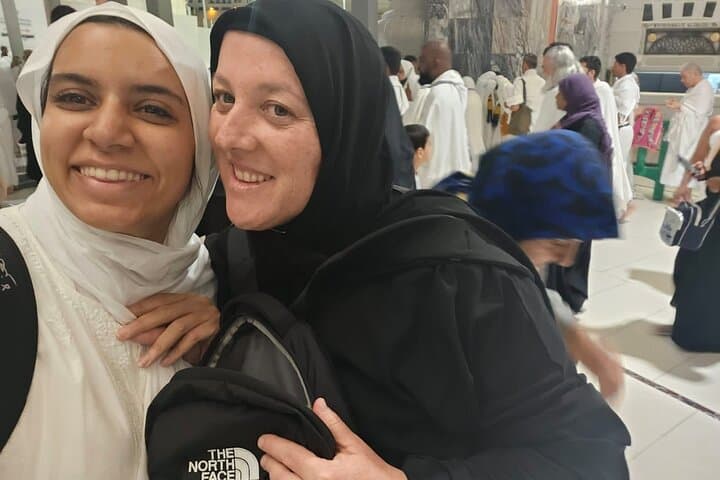
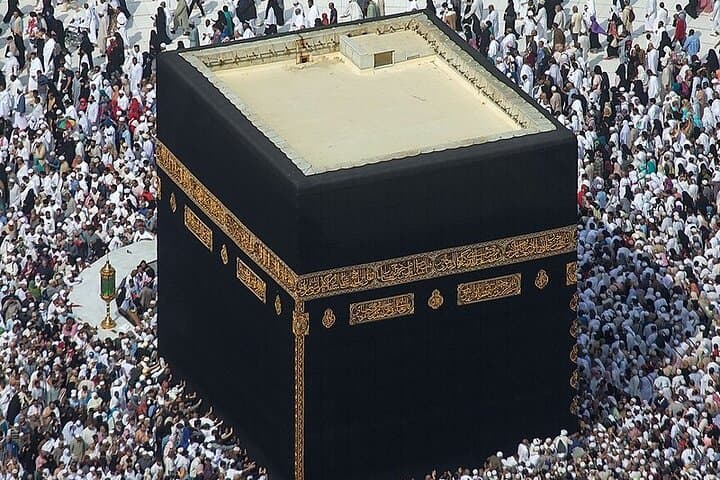
The air around Masjid al-Haram is purposeful—voices rise and fall, sandals whisper on marble, and the Kaaba holds a steady, magnetic focus at the center of human motion. A Local Umrah Guide escorts you through that rhythm, moving from the approach through the courtyard into the precise movements of tawaf and sa’i, translating ritual into clear steps so travelers can concentrate on meaning more than logistics.
The air around Masjid al-Haram is purposeful—voices rise and fall, sandals whisper on marble, and the Kaaba holds a steady, magnetic focus at the center of human motion. A Local Umrah Guide escorts you through that rhythm, moving from the approach through the courtyard into the precise movements of tawaf and sa’i, translating ritual into clear steps so travelers can concentrate on meaning more than logistics.
Mecca sits in the rocky Hijaz foothills; its stone and wadis shaped trade and pilgrimage routes for centuries. The Kaaba’s role predates modern borders, and Umrah draws on layered practices shaped by Islamic history, Ottoman-era courtyard expansions, and recent Saudi improvements to crowd flow. Local cultural norms—gender-separated facilities, modest dress, and quiet reverence—govern every step inside the mosque and around surrounding markets.
Practical guidance is straightforward: plan timing to avoid peak prayer hours, allow two to four hours for a guided Umrah that includes instruction, and keep documentation and passport info accessible. Wear breathable modest clothing (men performing Ihram should prepare accordingly), shoes that slip off easily, and a small bag for Zamzam water and essentials. Hydrate before entering the mosque; air-conditioned corridors and shaded colonnades help, but Mecca’s heat can be intense in summer.
A knowledgeable local guide speeds movement through security, explains rites clearly, and points to quieter corners for reflection. For non-Muslim travelers, cultural tours of Jeddah or historic Hijaz sites offer context outside the Haram.
This experience is both spiritual and logistical—organized guidance minimizes friction so you can focus on the ritual itself.