THE ADVENTURE COLLECTIVE® · Independent discovery and booking for outdoor travel

Walk Tashkent with a local guide who adapts the route to your interests — from the bustling Chorsu Bazaar to ornate metro stations and Independence Square. In 2–3 hours you’ll get market flavors, Soviet-era architecture, and rooftop views not on standard itineraries.
Walk Tashkent with a local guide who adapts the route to your interests — from the bustling Chorsu Bazaar to ornate metro stations and Independence Square. In 2–3 hours you’ll get market flavors, Soviet-era architecture, and rooftop views not on standard itineraries.
You step out into Chorsu Bazaar and the market presses forward like a living map: piles of dried fruit, bakers shaping oval loaves, tea steam curling over samosas. The guide — a local with routes tailored to your interests — threads alleys where vendors know your name in two minutes and the city’s layered history peeks from behind plaster and tile.
Verified experiences and guided adventures in the surrounding area.
Operated by Tashkent Free Walking Tour · Tashkent, Tashkent Region
You step out into Chorsu Bazaar and the market presses forward like a living map: piles of dried fruit, bakers shaping oval loaves, tea steam curling over samosas. The guide — a local with routes tailored to your interests — threads alleys where vendors know your name in two minutes and the city’s layered history peeks from behind plaster and tile.
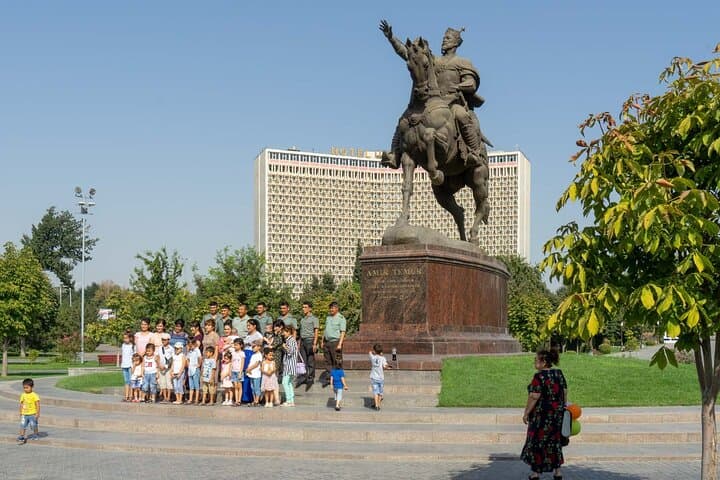
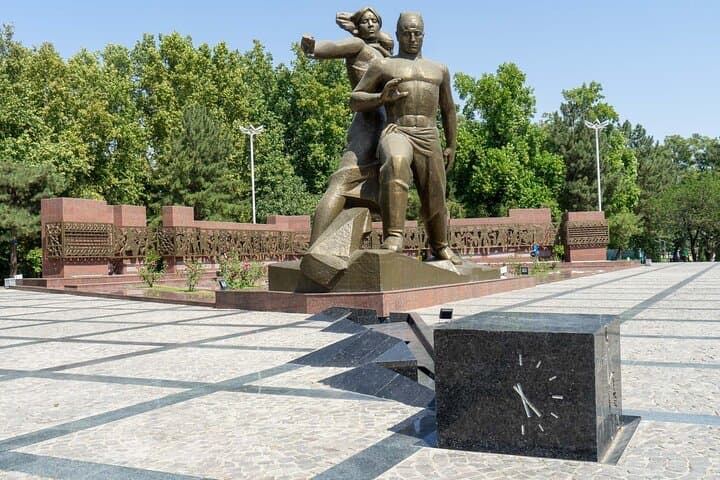
Tashkent sits on the Chirchiq plain at the western edge of the Tien Shan foothills; it’s a crossroads of Silk Road trade, Soviet-era reconstruction after the 1966 earthquake, and contemporary Uzbek life. The subway stations, opened in the late 1970s, still wear their Soviet-era tilework and chandeliers, while Independence Square and Memorials recall twentieth-century upheavals and national revival.
Culture here moves at market pace: strong black tea, hand-pressed breads, and crafts shaped by centuries of caravan exchange. Small alleys reveal craftsmen’s benches where painters and potters work without fanfare.
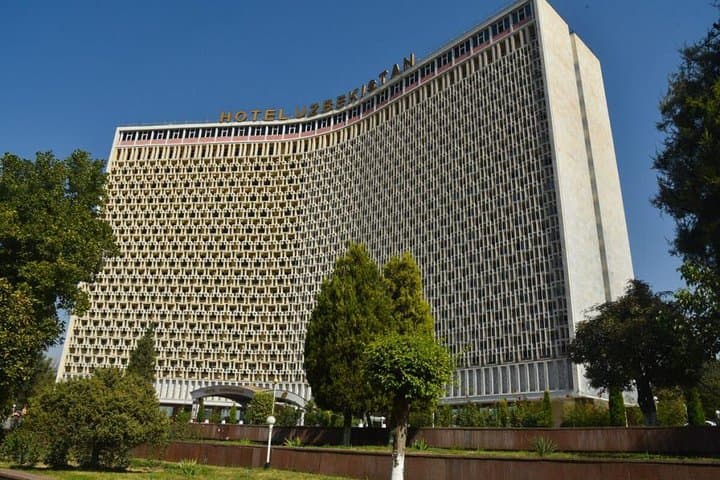
Practically, expect a 2–3 hour, mostly flat walk on city sidewalks with short steps on stairs to select metro stations and viewpoints. Bring small bills for market purchases, a bottle of water, and a flexible schedule — the best moments are often unplanned stops at a bakery or a viewpoint from a hotel roof.
Timing matters: mornings are cooler and livelier at Chorsu, afternoons suit square-side cafés, and early evening reveals street performers and local musicians. This tour is low-impact, easy on fitness, and high on local color — a practical, human-scaled introduction to Uzbekistan’s capital.
easy.
2–3 hours.
Suitable for most fitness levels; expect walking on paved and uneven market surfaces for up to three hours.
The guide adapts the itinerary to your interests and hotel location, focusing on popular sights and hidden local spots.
Many areas and transport options are wheelchair accessible; inform the operator of requirements when booking to confirm specific route adjustments.
Bring local currency (Uzbek som) for small purchases and tipping; card acceptance varies, so cash is recommended for markets and street food.
Yes — infants can sit on laps and stroller access is available; specialized infant seats can be provided on request.
Tashkent blends Silk Road heritage with Soviet-era rebuilding after a major 1966 earthquake; its metro stations and public squares reflect that layered past.
Support local artisans by purchasing directly and minimize waste in busy markets; respect vendors’ displays and avoid single-use plastics when possible.
Tashkent Free Walking Tour operates guided outdoor trips and adventures with an emphasis on safety, stewardship, and memorable experiences.
You step out into Chorsu Bazaar and the market presses forward like a living map: piles of dried fruit, bakers shaping oval loaves, tea steam curling over samosas. The guide — a local with routes tailored to your interests — threads alleys where vendors know your name in two minutes and the city’s layered history peeks from behind plaster and tile.
You step out into Chorsu Bazaar and the market presses forward like a living map: piles of dried fruit, bakers shaping oval loaves, tea steam curling over samosas. The guide — a local with routes tailored to your interests — threads alleys where vendors know your name in two minutes and the city’s layered history peeks from behind plaster and tile.
Tashkent sits on the Chirchiq plain at the western edge of the Tien Shan foothills; it’s a crossroads of Silk Road trade, Soviet-era reconstruction after the 1966 earthquake, and contemporary Uzbek life. The subway stations, opened in the late 1970s, still wear their Soviet-era tilework and chandeliers, while Independence Square and Memorials recall twentieth-century upheavals and national revival.
Culture here moves at market pace: strong black tea, hand-pressed breads, and crafts shaped by centuries of caravan exchange. Small alleys reveal craftsmen’s benches where painters and potters work without fanfare.
Practically, expect a 2–3 hour, mostly flat walk on city sidewalks with short steps on stairs to select metro stations and viewpoints. Bring small bills for market purchases, a bottle of water, and a flexible schedule — the best moments are often unplanned stops at a bakery or a viewpoint from a hotel roof.
Timing matters: mornings are cooler and livelier at Chorsu, afternoons suit square-side cafés, and early evening reveals street performers and local musicians. This tour is low-impact, easy on fitness, and high on local color — a practical, human-scaled introduction to Uzbekistan’s capital.