THE ADVENTURE COLLECTIVE® · Independent discovery and booking for outdoor travel

Board a working lobster boat in Plymouth Harbor and watch (or help) as traps are hauled and marine life examined. This 75-minute eco tour mixes hands-on learning with local fishing history and sustainable practices.
Board a working lobster boat in Plymouth Harbor and watch (or help) as traps are hauled and marine life examined. This 75-minute eco tour mixes hands-on learning with local fishing history and sustainable practices.
You step onto the low-slung deck at Plymouth Cruises, salt spray popping against the rail as gulls wheel overhead. The harbor hums — engines, an old rope creak, and the faint clack of wooden traps stacked like small seaside crates. Within minutes the captain eases out of the slip and the water opens, the current nudging the boat toward a line of baited pots.
Verified experiences and guided adventures in the surrounding area.
Operated by Plymouth Cruises aboard Lobster Tales · Plymouth, Massachusetts
You step onto the low-slung deck at Plymouth Cruises, salt spray popping against the rail as gulls wheel overhead. The harbor hums — engines, an old rope creak, and the faint clack of wooden traps stacked like small seaside crates. Within minutes the captain eases out of the slip and the water opens, the current nudging the boat toward a line of baited pots.
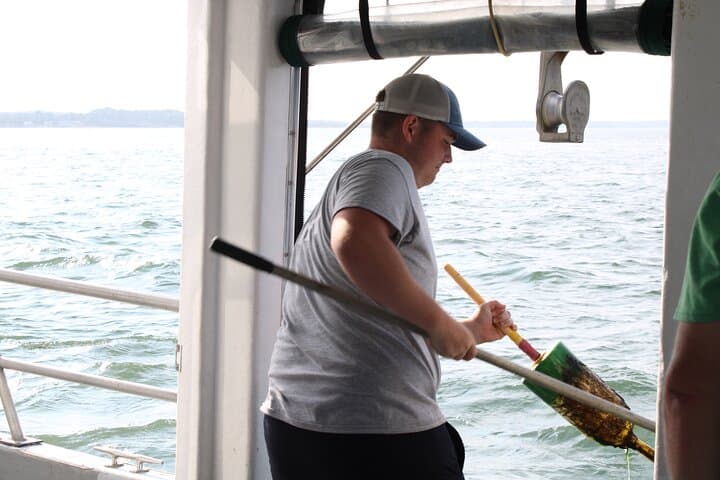
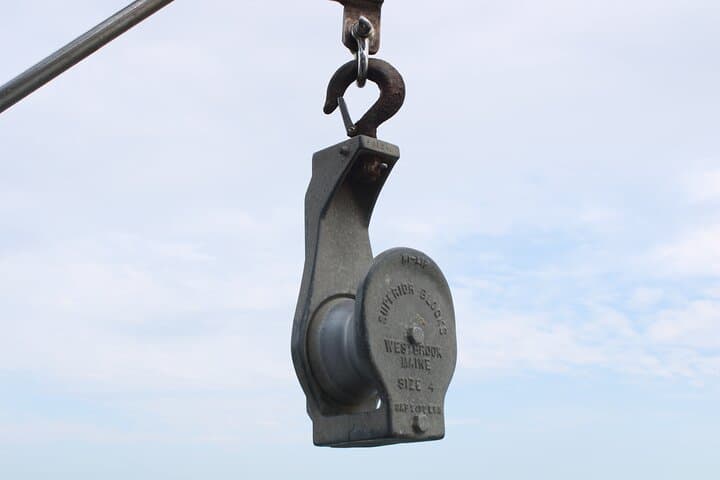
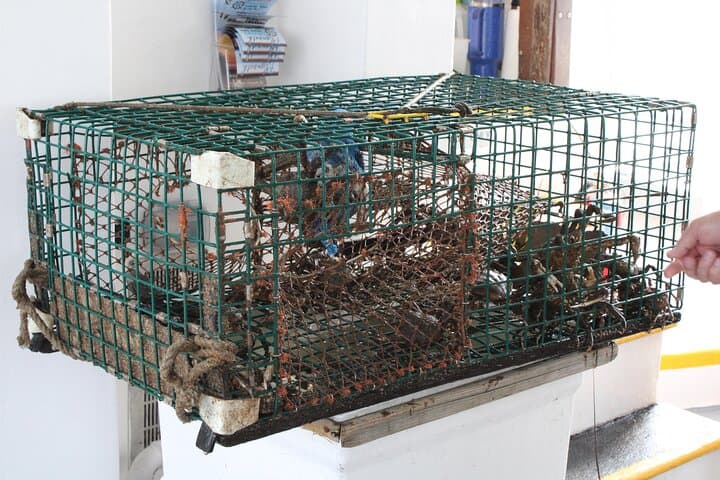
Plymouth Harbor has been a working waterfront since the 17th century, its bed carved by glacial ice and dotted with rocky shoals that shape productive lobster grounds. Lobstering here is both a livelihood and a local ritual: traps set on mixed substrate, hauled by hand or hydraulic winch, checked against state size and sex rules before anything is kept. On a short 75-minute cruise you'll learn trap rigging, see how lobsters are measured and returned, and handle small crabs and snails under crew supervision.
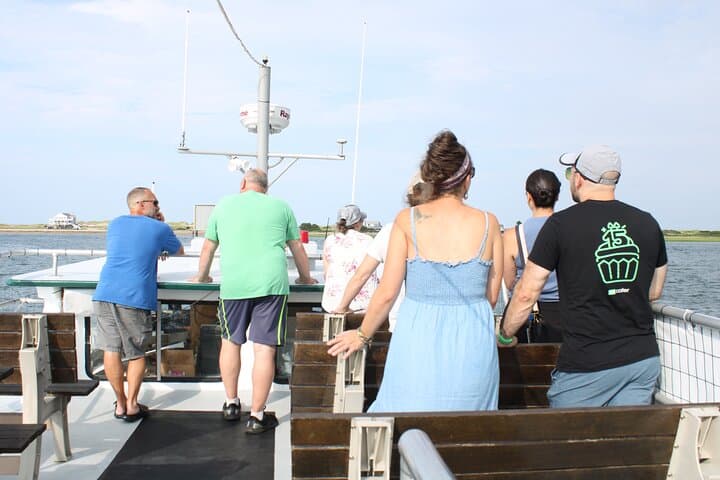
This tour balances show-and-tell with real sea work — volunteers help haul a trap; everyone gets a close look at the marine life before it's released. The trip runs roughly 10 minutes each way to the grounds, has on-board restrooms, and a short presentation about sustainable harvest practices enforced by Massachusetts regulators.
Practical prep: dress in layers and wear non-slip shoes, stow valuables in a dry bag, and take motion-sickness medicine if you're prone. Expect cool breezes even on sunny days and bring a camera with a fast shutter for hauling shots. The experience is family-friendly, informative, and a direct way to see how coastal communities fish while protecting the resource.
easy.
1–1.5 hours.
Minimal fitness required—able to stand for short periods and step on and off a small boat.
Yes—families are welcome; children should be supervised and follow crew instructions when handling marine life.
Layered clothing, a windproof jacket, and non-slip shoes are recommended; bring a hat and sunscreen on sunny days.
Under crew supervision you may handle small lobsters, crabs, and snails; all animals are released according to regulations.
All sales are final per the operator; tours may be canceled for bad weather or insufficient travelers and are non-refundable.
Plymouth Harbor has served as a port since the 1600s; commercial fishing and lobstering developed over centuries and remain central to local identity.
The tour emphasizes returning non-target and undersized animals and explains Massachusetts' lobster regulations to reduce overharvest and bycatch.
Plymouth Cruises aboard Lobster Tales operates guided outdoor trips and adventures with an emphasis on safety, stewardship, and memorable experiences.
You step onto the low-slung deck at Plymouth Cruises, salt spray popping against the rail as gulls wheel overhead. The harbor hums — engines, an old rope creak, and the faint clack of wooden traps stacked like small seaside crates. Within minutes the captain eases out of the slip and the water opens, the current nudging the boat toward a line of baited pots.
You step onto the low-slung deck at Plymouth Cruises, salt spray popping against the rail as gulls wheel overhead. The harbor hums — engines, an old rope creak, and the faint clack of wooden traps stacked like small seaside crates. Within minutes the captain eases out of the slip and the water opens, the current nudging the boat toward a line of baited pots.
Plymouth Harbor has been a working waterfront since the 17th century, its bed carved by glacial ice and dotted with rocky shoals that shape productive lobster grounds. Lobstering here is both a livelihood and a local ritual: traps set on mixed substrate, hauled by hand or hydraulic winch, checked against state size and sex rules before anything is kept. On a short 75-minute cruise you'll learn trap rigging, see how lobsters are measured and returned, and handle small crabs and snails under crew supervision.
This tour balances show-and-tell with real sea work — volunteers help haul a trap; everyone gets a close look at the marine life before it's released. The trip runs roughly 10 minutes each way to the grounds, has on-board restrooms, and a short presentation about sustainable harvest practices enforced by Massachusetts regulators.
Practical prep: dress in layers and wear non-slip shoes, stow valuables in a dry bag, and take motion-sickness medicine if you're prone. Expect cool breezes even on sunny days and bring a camera with a fast shutter for hauling shots. The experience is family-friendly, informative, and a direct way to see how coastal communities fish while protecting the resource.