THE ADVENTURE COLLECTIVE® · Independent discovery and booking for outdoor travel

A short, sea-swept cruise along Mallorca’s northeastern coast that pairs cliff-carved sea caves with two long snorkeling stops. Ideal for swimmers of all levels, the trip mixes geology, marine life, and easy paddleboarding on a three-hour loop from Artà.
A short, sea-swept cruise along Mallorca’s northeastern coast that pairs cliff-carved sea caves with two long snorkeling stops. Ideal for swimmers of all levels, the trip mixes geology, marine life, and easy paddleboarding on a three-hour loop from Artà.
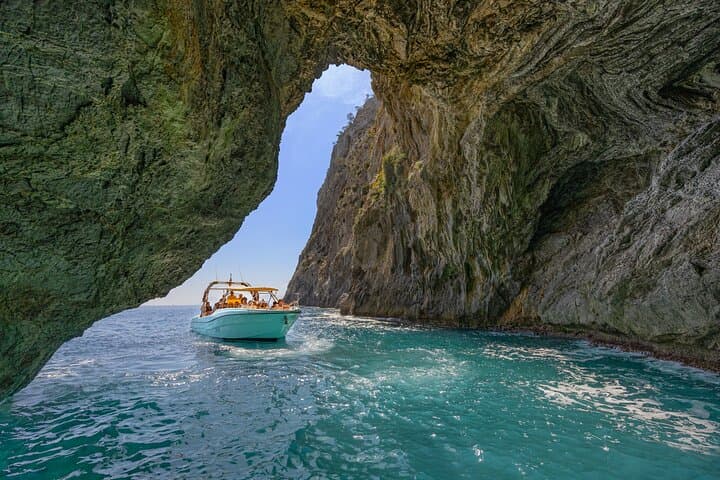
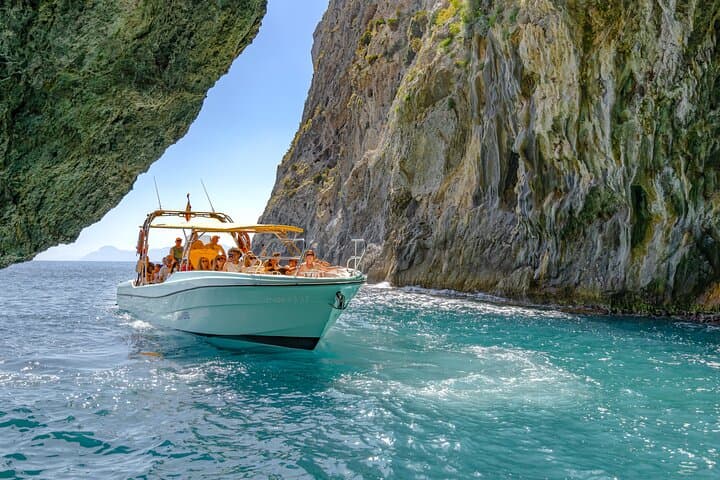
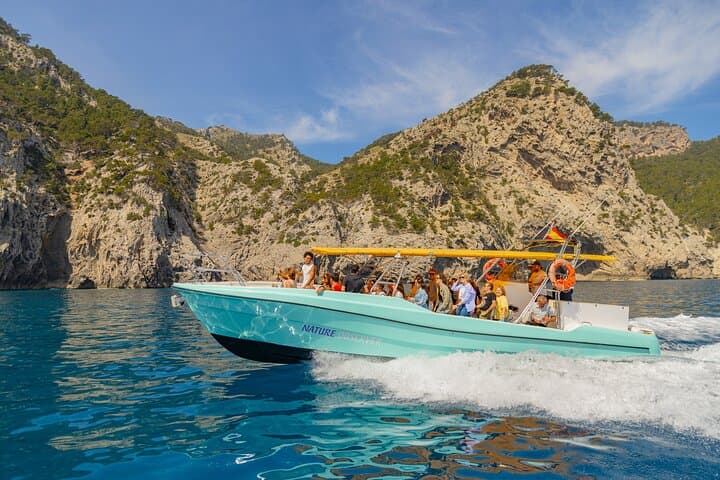
Salt spray tangles with Mediterranean sun as the boat eases away from the harbor and the cliffs of Llevant rise into view—sheer limestone faces dipping into aquamarine depths that dare you to dive in.
Verified experiences and guided adventures in the surrounding area.
Operated by Nofrills Excursions · Artà, Balearic Islands
Salt spray tangles with Mediterranean sun as the boat eases away from the harbor and the cliffs of Llevant rise into view—sheer limestone faces dipping into aquamarine depths that dare you to dive in.
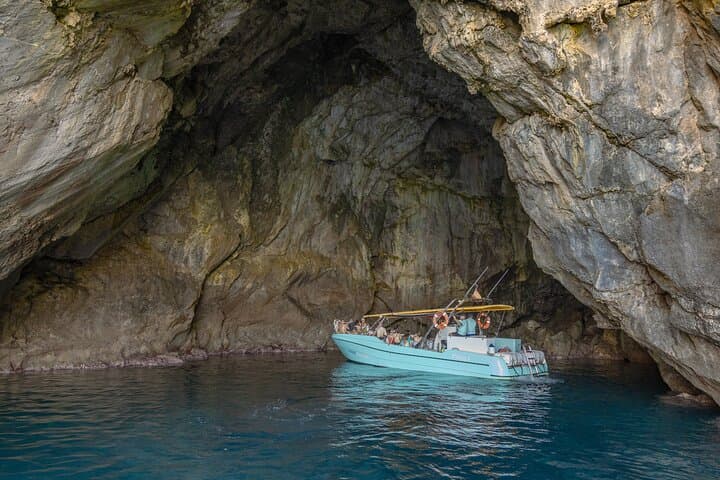
The three-hour loop threads past sea caves carved over millennia, drops anchor at Es Caló for 45 minutes of snorkeling, then slips into the sheltered Arenalet de Aubarca for a second swim. Geology here is coarse limestone and karst, quarried by wind and waves into vertical cliffs and narrow coves that focus currents and concentrate fish life. Human history is quiet—shepherd tracks and ruined watchposts from Mallorca’s coastal past—while modern culture is small-town hospitality in Artà and Cala Ratjada, where boat skippers learned these coves by eye.
Expect clear water, rocky seabeds, Posidonia seagrass meadows that sustain the marine ecosystem, and pockets of sand framed by limestone. The crew provides masks, snorkels and paddleboards; skill level is low but sea conditions matter.
Practical guidance: arrive with reef-safe sunscreen, a light cover-up, and a waterproof bag for phone and wallet. If you’re prone to motion sickness, take medication beforehand—open water crossings can be choppy. Morning departures often mean calmer seas and clearer visibility for snorkeling. Respect marine life, avoid stepping on seagrass beds, and follow crew briefing for safe entry and exit. This short, well-supported outing is accessible and rich in coastal geology and marine encounters—an efficient way to sample Mallorca’s wild northeast from the sea.
easy.
3 hours.
Suitable for most fitness levels—requires basic swimming ability for snorkeling and water entries.
No—masks and snorkels are provided, but you may bring personal equipment for a custom fit.
Currents vary by weather and location; the crew plans stops in sheltered coves for safe swimming, but open crossings can be brief and exposed.
Non-swimmers can remain on board during swim stops; life jackets and crew assistance are available for those entering the water.
The tour cancels in poor sea conditions with full refunds if weather prevents safe operation—confirm timing with the operator.
Llevant’s coastline bears traces of past maritime watchposts and subsistence fishing communities; the park protects both natural and cultural landscapes.
The area includes Posidonia seagrass meadows—vital carbon sinks—so visitors are asked to avoid anchoring on seagrass and to use reef-safe products.
Nofrills Excursions operates guided outdoor trips and adventures with an emphasis on safety, stewardship, and memorable experiences.
Salt spray tangles with Mediterranean sun as the boat eases away from the harbor and the cliffs of Llevant rise into view—sheer limestone faces dipping into aquamarine depths that dare you to dive in.
Salt spray tangles with Mediterranean sun as the boat eases away from the harbor and the cliffs of Llevant rise into view—sheer limestone faces dipping into aquamarine depths that dare you to dive in.
The three-hour loop threads past sea caves carved over millennia, drops anchor at Es Caló for 45 minutes of snorkeling, then slips into the sheltered Arenalet de Aubarca for a second swim. Geology here is coarse limestone and karst, quarried by wind and waves into vertical cliffs and narrow coves that focus currents and concentrate fish life. Human history is quiet—shepherd tracks and ruined watchposts from Mallorca’s coastal past—while modern culture is small-town hospitality in Artà and Cala Ratjada, where boat skippers learned these coves by eye.
Expect clear water, rocky seabeds, Posidonia seagrass meadows that sustain the marine ecosystem, and pockets of sand framed by limestone. The crew provides masks, snorkels and paddleboards; skill level is low but sea conditions matter.
Practical guidance: arrive with reef-safe sunscreen, a light cover-up, and a waterproof bag for phone and wallet. If you’re prone to motion sickness, take medication beforehand—open water crossings can be choppy. Morning departures often mean calmer seas and clearer visibility for snorkeling. Respect marine life, avoid stepping on seagrass beds, and follow crew briefing for safe entry and exit. This short, well-supported outing is accessible and rich in coastal geology and marine encounters—an efficient way to sample Mallorca’s wild northeast from the sea.