THE ADVENTURE COLLECTIVE® · Independent discovery and booking for outdoor travel

A short guided trek on Cerro Llao Llao through native Patagonian forest to a panoramic lookout over Nahuel Huapi Lake. Ideal for travelers who want big Andes views without a full-day climb.
A short guided trek on Cerro Llao Llao through native Patagonian forest to a panoramic lookout over Nahuel Huapi Lake. Ideal for travelers who want big Andes views without a full-day climb.
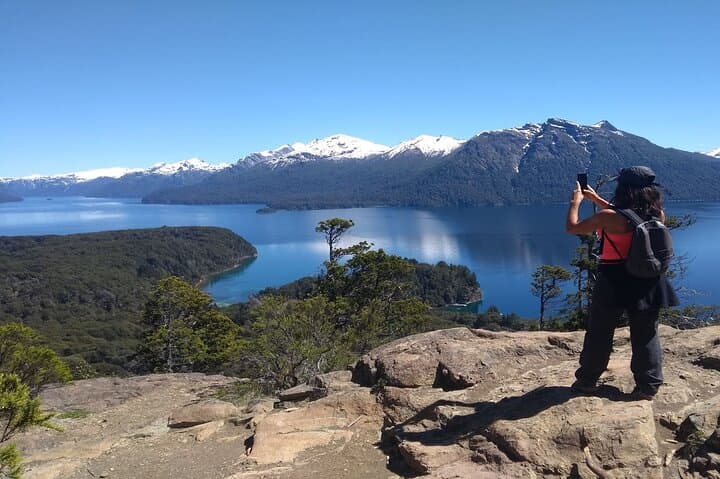
You step off the minivan onto a moss-soft trail and the city’s hum falls away. The wind here smells of cold water and resin; lenga and coihue trees lean together like old friends. Your guide folds a map into their pocket and points up—just beyond the next stand of beech is a lookout that opens onto Nahuel Huapi Lake, its arms named Triste, Blest and North reaching into the Andes. The ascent is patient rather than punishing: a well-formed path, roots and stone to negotiate, with patches of sun that warm cheeks even in the shoulder seasons.
Verified experiences and guided adventures in the surrounding area.
Operated by Tangol · San Carlos de Bariloche, Río Negro
You step off the minivan onto a moss-soft trail and the city’s hum falls away. The wind here smells of cold water and resin; lenga and coihue trees lean together like old friends. Your guide folds a map into their pocket and points up—just beyond the next stand of beech is a lookout that opens onto Nahuel Huapi Lake, its arms named Triste, Blest and North reaching into the Andes. The ascent is patient rather than punishing: a well-formed path, roots and stone to negotiate, with patches of sun that warm cheeks even in the shoulder seasons.
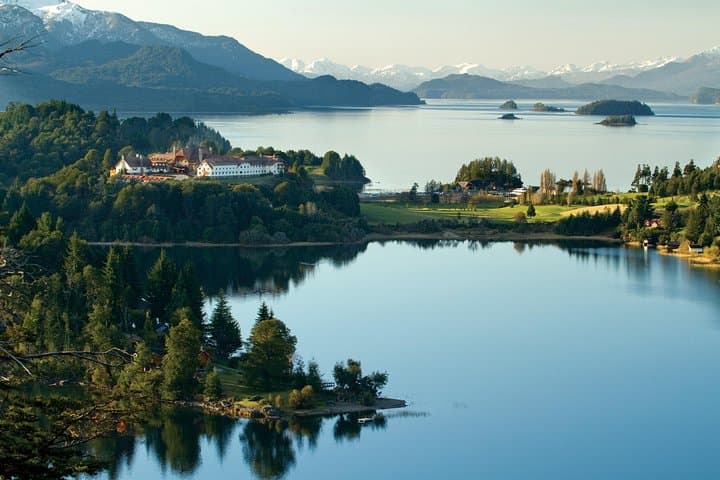
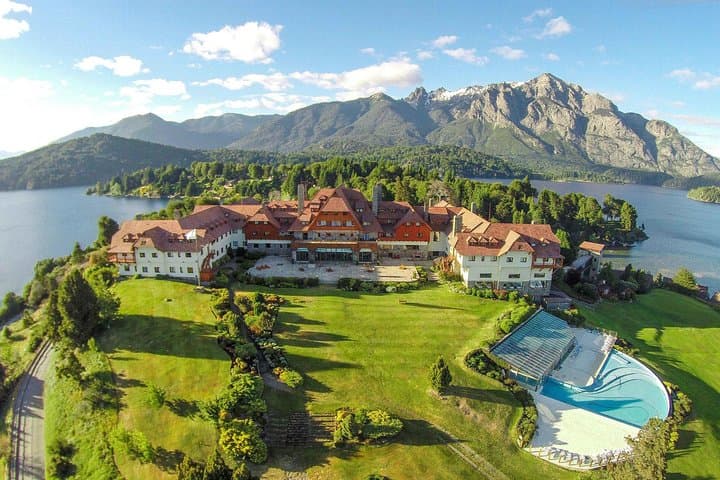
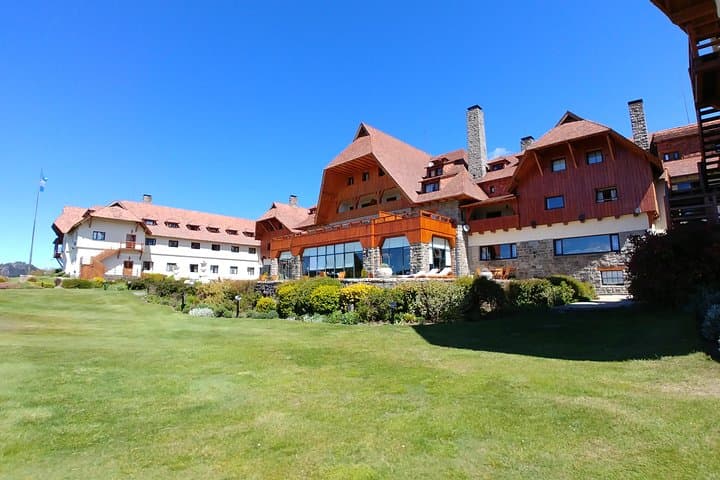
Cerro Llao Llao sits on the lake’s northwestern side and has anchored Bariloche’s outdoor life for more than a century. The peninsula that gives the hill its name became a crossroads between indigenous Mapuche use of the lake’s resources and the wave of European settlers and early 20th-century tourism—most famously the Llao Llao Hotel—that reshaped access to these shores. Geologically the ridge is carved from ancient glacial action: rounded slopes, erratic boulders and moraine hummocks give way to polished lookout slabs where the lake reflects glacially scoured valleys.
Culture here is as much about pace as place; guides tell stories of early fishermen and of how the lenga forest regenerates after the winter snow. Wildlife watches from the margins—goshawks or condors circle thermals, and along the water you might glimpse a coipo slipping into the reeds.
Practicalities are simple: the shared tour runs about three hours door-to-door with roughly 1–1.5 hours of walking on trails that cover about 3–4 km round-trip and roughly 150–250 m of elevation gain. The trail is non-technical but uneven; roots and loose rock require steady footing. Small-group limits (around 10–12 participants) and a multilingual guide make it accessible to families and seasoned hikers alike. A light snack and hotel pickup are included; bring a 1–1.5 L water bottle and dress in layers—the lake creates quick temperature shifts.
Timing matters: morning brings crisper air and clearer views; late afternoon softens the light on the lake and tints the southern peaks rose. The route pairs well with nearby activities—kayaking in Moreno Lake or a short cultural walk through Bariloche’s centro—if you have more time.
From a preparation standpoint, wear sturdy shoes with grip, sun protection, and a windproof layer. If visiting in winter, add an insulating mid-layer and sturdy trekking poles to steady icy sections. Above all, give yourself the slow rhythm the forest asks for: listen for woodpeckers, watch for sudden lake panoramas, and let the scale of Nahuel Huapi pull the day into perspective.
moderate.
2–3 hours.
Suitable for travelers with moderate fitness who can walk 3–4 km on uneven trails and manage a steady 150–250 m climb.
The full experience is about 2–3 hours including transport; expect 1–1.5 hours of walking on the trail.
Yes—families and active older travelers can do this route, though everyone should be comfortable on uneven terrain and modest climbs.
Groups are small, typically capped around 10–12 participants to preserve the experience.
Service animals are allowed; check with the operator beforehand for specifics about other pets.
A light snack is included; you should still bring your own water and any additional snacks you prefer.
The supplier may cancel tours in poor weather; bookings are final but tours are called off for safety in high winds or heavy rain.
The Llao Llao peninsula has long been a meeting place between indigenous Mapuche use of the lake and later European-led tourism developments, including the iconic Llao Llao hotel that helped popularize the area.
This trek runs inside Nahuel Huapi National Park—stay on designated trails, pack out waste, and avoid disturbing native flora to limit human impact.
Tangol operates guided outdoor trips and adventures with an emphasis on safety, stewardship, and memorable experiences.
You step off the minivan onto a moss-soft trail and the city’s hum falls away. The wind here smells of cold water and resin; lenga and coihue trees lean together like old friends. Your guide folds a map into their pocket and points up—just beyond the next stand of beech is a lookout that opens onto Nahuel Huapi Lake, its arms named Triste, Blest and North reaching into the Andes. The ascent is patient rather than punishing: a well-formed path, roots and stone to negotiate, with patches of sun that warm cheeks even in the shoulder seasons.
You step off the minivan onto a moss-soft trail and the city’s hum falls away. The wind here smells of cold water and resin; lenga and coihue trees lean together like old friends. Your guide folds a map into their pocket and points up—just beyond the next stand of beech is a lookout that opens onto Nahuel Huapi Lake, its arms named Triste, Blest and North reaching into the Andes. The ascent is patient rather than punishing: a well-formed path, roots and stone to negotiate, with patches of sun that warm cheeks even in the shoulder seasons.
Cerro Llao Llao sits on the lake’s northwestern side and has anchored Bariloche’s outdoor life for more than a century. The peninsula that gives the hill its name became a crossroads between indigenous Mapuche use of the lake’s resources and the wave of European settlers and early 20th-century tourism—most famously the Llao Llao Hotel—that reshaped access to these shores. Geologically the ridge is carved from ancient glacial action: rounded slopes, erratic boulders and moraine hummocks give way to polished lookout slabs where the lake reflects glacially scoured valleys.
Culture here is as much about pace as place; guides tell stories of early fishermen and of how the lenga forest regenerates after the winter snow. Wildlife watches from the margins—goshawks or condors circle thermals, and along the water you might glimpse a coipo slipping into the reeds.
Practicalities are simple: the shared tour runs about three hours door-to-door with roughly 1–1.5 hours of walking on trails that cover about 3–4 km round-trip and roughly 150–250 m of elevation gain. The trail is non-technical but uneven; roots and loose rock require steady footing. Small-group limits (around 10–12 participants) and a multilingual guide make it accessible to families and seasoned hikers alike. A light snack and hotel pickup are included; bring a 1–1.5 L water bottle and dress in layers—the lake creates quick temperature shifts.
Timing matters: morning brings crisper air and clearer views; late afternoon softens the light on the lake and tints the southern peaks rose. The route pairs well with nearby activities—kayaking in Moreno Lake or a short cultural walk through Bariloche’s centro—if you have more time.
From a preparation standpoint, wear sturdy shoes with grip, sun protection, and a windproof layer. If visiting in winter, add an insulating mid-layer and sturdy trekking poles to steady icy sections. Above all, give yourself the slow rhythm the forest asks for: listen for woodpeckers, watch for sudden lake panoramas, and let the scale of Nahuel Huapi pull the day into perspective.