THE ADVENTURE COLLECTIVE® · Independent discovery and booking for outdoor travel

Walk Llantrisant’s stone streets with a local guide and uncover medieval churches, the Guildhall and the curious Mary Llwyd tradition. This two-hour guided route combines civic history, local legends and easy walking through the town’s most photogenic corners.
Walk Llantrisant’s stone streets with a local guide and uncover medieval churches, the Guildhall and the curious Mary Llwyd tradition. This two-hour guided route combines civic history, local legends and easy walking through the town’s most photogenic corners.
A damp spring morning finds the group gathering by the sign that declares Llantrisant twinned with Crécy — stone streets glinting, church spire pointing like a compass needle. The guide leads past the Cross Keys, down lanes that tilt toward Castle Green, stopping for photos at the stocks and for stories at the Guildhall where local voices shaped civic life.
Verified experiences and guided adventures in the surrounding area.
Operated by Crocels Travel, Sports & Leisure · Llantrisant, Wales
A damp spring morning finds the group gathering by the sign that declares Llantrisant twinned with Crécy — stone streets glinting, church spire pointing like a compass needle. The guide leads past the Cross Keys, down lanes that tilt toward Castle Green, stopping for photos at the stocks and for stories at the Guildhall where local voices shaped civic life.
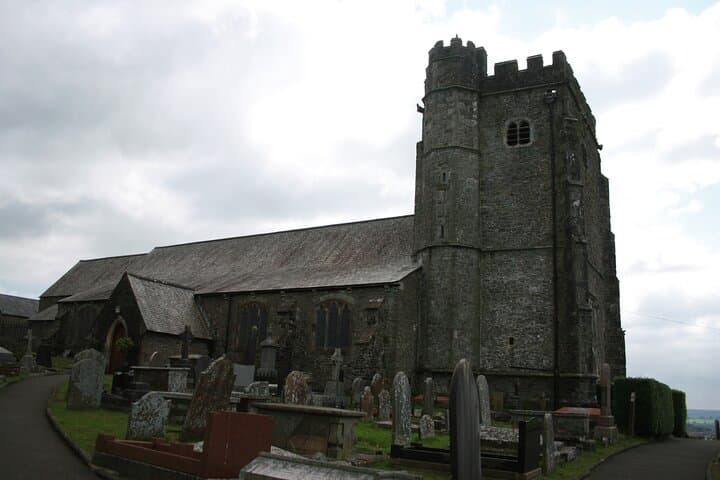
Llantrisant’s streets preserve layers of Welsh civic and ecclesiastical history: a medieval parish church rebuilt and refitted through centuries, a castle mound that marks Norman control, and a Guildhall that once governed the customs of freemen. Geologically the town sits on Carboniferous sandstones and coal measures that powered the region’s later industrial boom; cultural threads include the Mary Llwyd tradition—an enigmatic hooded horse figure of processional folklore tied to mumming and communal identity.
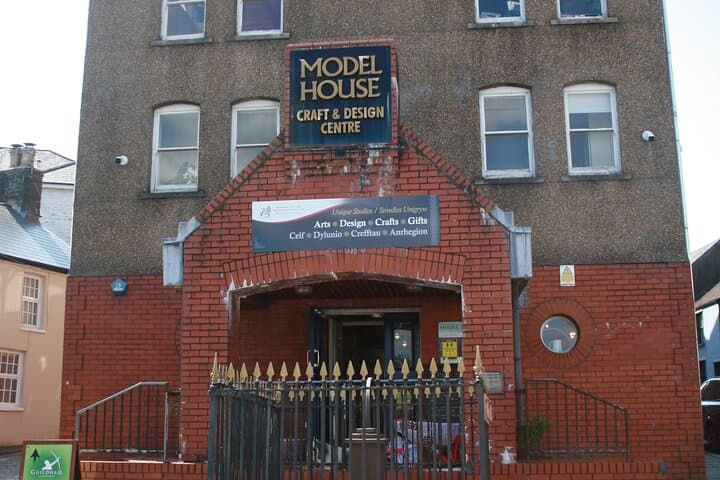
The tour moves at a walking-pace rhythm: photo stops, a short visit to the Model House craft centre, and accessible narration in the former courthouse-turned-visitor centre. Expect cobbles, short flights of public steps, and a couple of gentle uphill segments to viewpoints on Castle Green.
Practical guidance: wear sturdy shoes with good grip for uneven flags and cobbles; bring a light waterproof layer and a small daypack. Allow two hours, arrive by public transport or car (limited town parking), and pick a morning slot to avoid peak visitor crowds. The tour suits anyone with moderate mobility looking to connect with local traditions and the lived landscape of South Wales.
moderate.
2 hours.
Suitable for people with moderate fitness who can walk on uneven ground for short periods
The guided tour runs approximately two hours with several short stops for photos and narration.
Parts of the tour include cobbles and short steps; infants in strollers are allowed but the route is only partially accessible for wheelchairs.
Admission fees noted in the listing are included where specified; general visits to public sites on the route are usually free.
Tours are offered as private bookings with instant confirmation; advance booking is recommended to secure your preferred time.
Llantrisant grew around a medieval parish and a castle green; its freemen institutions and Guildhall reflect centuries of local self-governance and ceremonial traditions such as the Mary Llwyd mummers.
Visitors are encouraged to stick to paved paths, avoid disturbing churchyard plantings, and support local heritage centres that fund conservation and community programs.
Crocels Travel, Sports & Leisure operates guided outdoor trips and adventures with an emphasis on safety, stewardship, and memorable experiences.
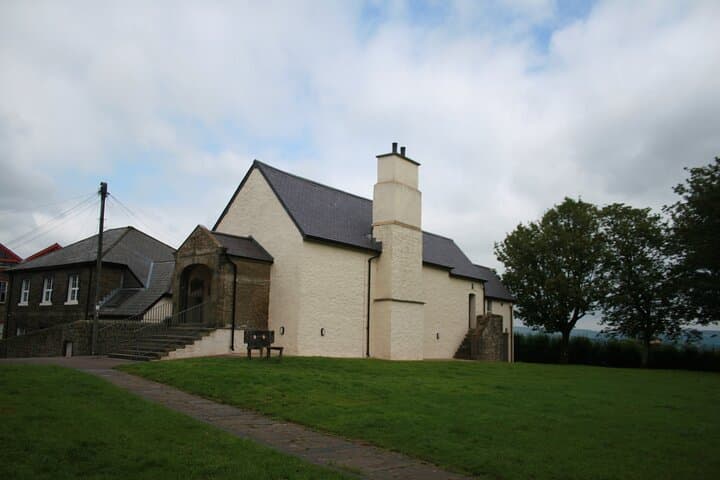
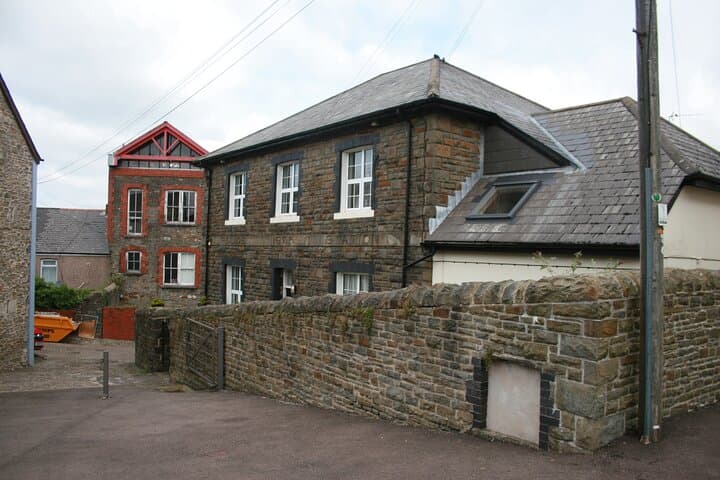
A damp spring morning finds the group gathering by the sign that declares Llantrisant twinned with Crécy — stone streets glinting, church spire pointing like a compass needle. The guide leads past the Cross Keys, down lanes that tilt toward Castle Green, stopping for photos at the stocks and for stories at the Guildhall where local voices shaped civic life.
A damp spring morning finds the group gathering by the sign that declares Llantrisant twinned with Crécy — stone streets glinting, church spire pointing like a compass needle. The guide leads past the Cross Keys, down lanes that tilt toward Castle Green, stopping for photos at the stocks and for stories at the Guildhall where local voices shaped civic life.
Llantrisant’s streets preserve layers of Welsh civic and ecclesiastical history: a medieval parish church rebuilt and refitted through centuries, a castle mound that marks Norman control, and a Guildhall that once governed the customs of freemen. Geologically the town sits on Carboniferous sandstones and coal measures that powered the region’s later industrial boom; cultural threads include the Mary Llwyd tradition—an enigmatic hooded horse figure of processional folklore tied to mumming and communal identity.
The tour moves at a walking-pace rhythm: photo stops, a short visit to the Model House craft centre, and accessible narration in the former courthouse-turned-visitor centre. Expect cobbles, short flights of public steps, and a couple of gentle uphill segments to viewpoints on Castle Green.
Practical guidance: wear sturdy shoes with good grip for uneven flags and cobbles; bring a light waterproof layer and a small daypack. Allow two hours, arrive by public transport or car (limited town parking), and pick a morning slot to avoid peak visitor crowds. The tour suits anyone with moderate mobility looking to connect with local traditions and the lived landscape of South Wales.