THE ADVENTURE COLLECTIVE® · Independent discovery and booking for outdoor travel

Spend a day tracking sloths in the treetops, wading near the broad Llanos de Cortés waterfall and tasting farm‑fresh cocoa on a guided nature tour. This full‑day experience combines easy trails, wildlife viewing, and a hands‑on look at local cacao production.
Spend a day tracking sloths in the treetops, wading near the broad Llanos de Cortés waterfall and tasting farm‑fresh cocoa on a guided nature tour. This full‑day experience combines easy trails, wildlife viewing, and a hands‑on look at local cacao production.
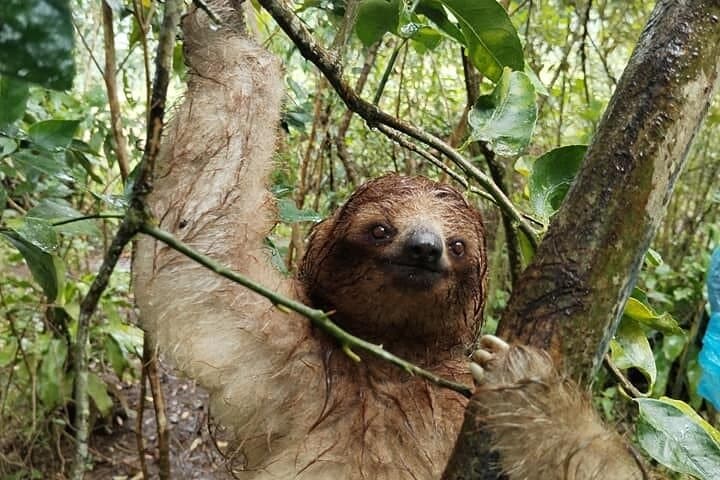
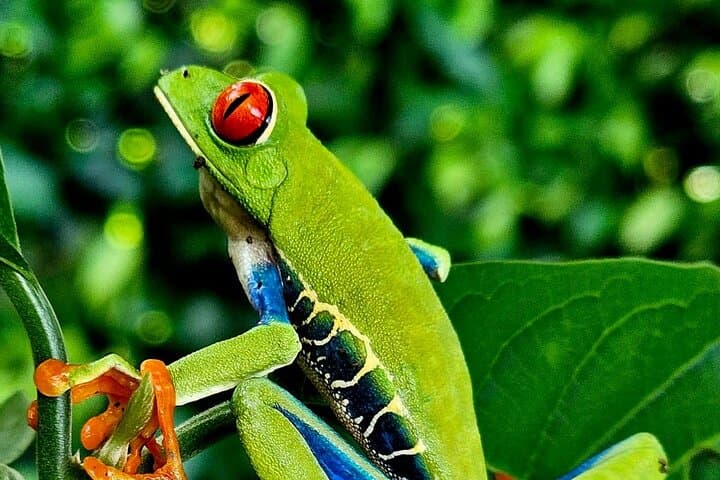
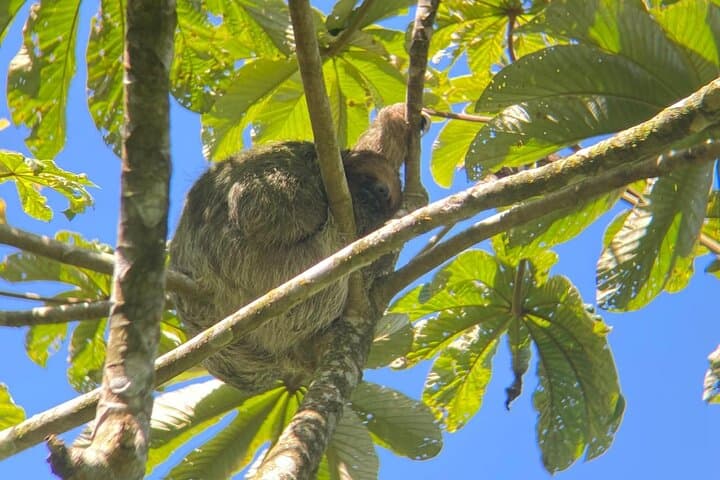
A narrow dirt road opens onto a farm track and the forest breathes cool, humid air — ferns brushing your calves, tree frogs flitting through the understory, and sloths folded like slow knots high in the canopy. The Llanos de Cortés tour threads through working farmland into patches of lowland rainforest and finishes at the wide, ribboned waterfall where plunge pools cut through volcanic rock.
Verified experiences and guided adventures in the surrounding area.
Operated by JM Ride · Bagaces, Guanacaste
A narrow dirt road opens onto a farm track and the forest breathes cool, humid air — ferns brushing your calves, tree frogs flitting through the understory, and sloths folded like slow knots high in the canopy. The Llanos de Cortés tour threads through working farmland into patches of lowland rainforest and finishes at the wide, ribboned waterfall where plunge pools cut through volcanic rock.
This corner of Guanacaste sits on the dry–wet ecotone of northwestern Costa Rica; soils are the product of ancient volcanic flows and seasonal rivers that carved shallow canyons. Cattle ranching and small-scale cacao cultivation shape local culture—visit a family-run cocoa plot to see fermentation, drying and a hands-on chocolate tasting that ties agriculture to regional history.
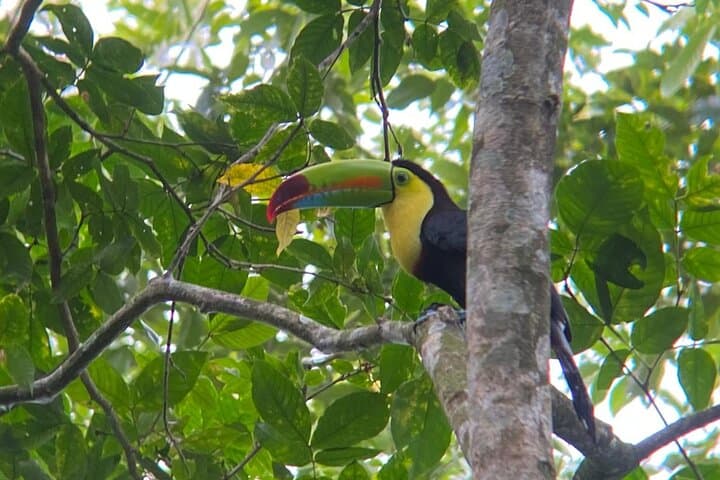
Wildlife sighting here focuses on arboreal species: two- and three-toed sloths, howler or capuchin monkeys, and an array of birds and frogs that thrive along riparian corridors. The waterfall itself is geologically young by human standards and swells dramatically with the rains, offering different experiences by season.
Practical guidance: expect 6–8 hours total with mostly flat farm tracks and some muddy trails; footwear with traction is essential. Bring insect repellent, sun protection, and a lightweight rain layer for sudden downpours. Photography is rewarding but fast-moving animals require patience and a telephoto lens. Respect distance from wildlife—guides will point out sloths in the canopy and explain local conservation practices. The full-day rhythm combines easy walking, wildlife spotting, and a culturally rich cocoa demonstration—an accessible immersion into Guanacaste’s natural and agricultural landscapes.
easy.
6–8 hours.
Suitable for most fitness levels—short, mostly flat walks with occasional uneven ground
Guides know local trees where sloths regularly rest and sightings are common, but wildlife cannot be guaranteed—patience improves chances.
No—Costa Rica hosts two‑ and three‑toed sloths, not sloth bears; the tour title is a misnomer but focuses on observing native sloth species.
Trails are mostly flat farm roads and short forest paths; expect moderate walking with some uneven, potentially muddy sections.
Yes—this tour is family‑friendly; infants typically sit on laps and guides can adjust pace for younger participants.
Guanacaste blends indigenous Chorotega roots with Spanish colonial and cattle‑ranch traditions; smallholder cacao farms reflect a longstanding agricultural thread in the region.
Protect riparian corridors and avoid trampling understory—sustainable farm practices and regulated visitor access help preserve wildlife habitat and water quality.
JM Ride operates guided outdoor trips and adventures with an emphasis on safety, stewardship, and memorable experiences.
A narrow dirt road opens onto a farm track and the forest breathes cool, humid air — ferns brushing your calves, tree frogs flitting through the understory, and sloths folded like slow knots high in the canopy. The Llanos de Cortés tour threads through working farmland into patches of lowland rainforest and finishes at the wide, ribboned waterfall where plunge pools cut through volcanic rock.
A narrow dirt road opens onto a farm track and the forest breathes cool, humid air — ferns brushing your calves, tree frogs flitting through the understory, and sloths folded like slow knots high in the canopy. The Llanos de Cortés tour threads through working farmland into patches of lowland rainforest and finishes at the wide, ribboned waterfall where plunge pools cut through volcanic rock.
This corner of Guanacaste sits on the dry–wet ecotone of northwestern Costa Rica; soils are the product of ancient volcanic flows and seasonal rivers that carved shallow canyons. Cattle ranching and small-scale cacao cultivation shape local culture—visit a family-run cocoa plot to see fermentation, drying and a hands-on chocolate tasting that ties agriculture to regional history.
Wildlife sighting here focuses on arboreal species: two- and three-toed sloths, howler or capuchin monkeys, and an array of birds and frogs that thrive along riparian corridors. The waterfall itself is geologically young by human standards and swells dramatically with the rains, offering different experiences by season.
Practical guidance: expect 6–8 hours total with mostly flat farm tracks and some muddy trails; footwear with traction is essential. Bring insect repellent, sun protection, and a lightweight rain layer for sudden downpours. Photography is rewarding but fast-moving animals require patience and a telephoto lens. Respect distance from wildlife—guides will point out sloths in the canopy and explain local conservation practices. The full-day rhythm combines easy walking, wildlife spotting, and a culturally rich cocoa demonstration—an accessible immersion into Guanacaste’s natural and agricultural landscapes.