THE ADVENTURE COLLECTIVE® · Independent discovery and booking for outdoor travel

Drive the Callejón de Huaylas from Huaraz to Chinancocha (Llanganuco) for dramatic glacial lakes beneath Huascarán and Huandoy. This easy, full-day tour mixes short lakeside walks, cultural stops in Yungay and Carhuaz, and protected high-Andean scenery.
Drive the Callejón de Huaylas from Huaraz to Chinancocha (Llanganuco) for dramatic glacial lakes beneath Huascarán and Huandoy. This easy, full-day tour mixes short lakeside walks, cultural stops in Yungay and Carhuaz, and protected high-Andean scenery.
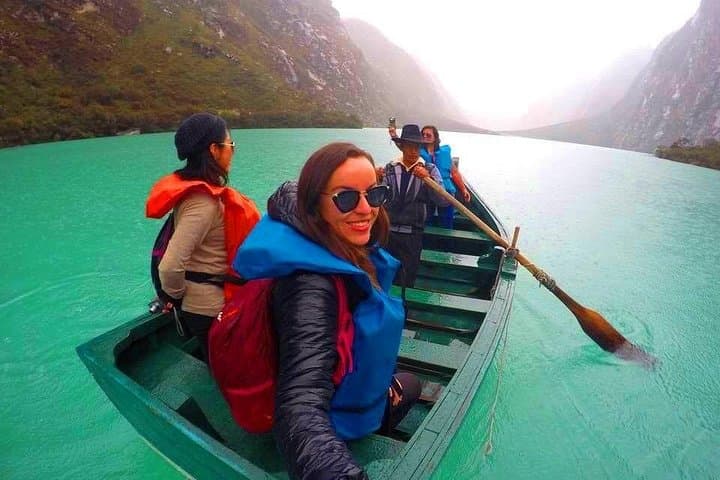
A low diesel bus rounds a switchback and the valley opens: a pair of ice-blue lakes sits below serrated peaks, Huascarán and Huandoy towering like folded stone above. The guide steps down for a brisk walk on gravel paths that skirt Chinancocha (Llanganuco Lake) at about 3,850 m, the water reflecting snowbands and the flicker of wind-driven ripples.
Verified experiences and guided adventures in the surrounding area.
Operated by Scheler Artizon Trek · Huaraz, Ancash
A low diesel bus rounds a switchback and the valley opens: a pair of ice-blue lakes sits below serrated peaks, Huascarán and Huandoy towering like folded stone above. The guide steps down for a brisk walk on gravel paths that skirt Chinancocha (Llanganuco Lake) at about 3,850 m, the water reflecting snowbands and the flicker of wind-driven ripples.
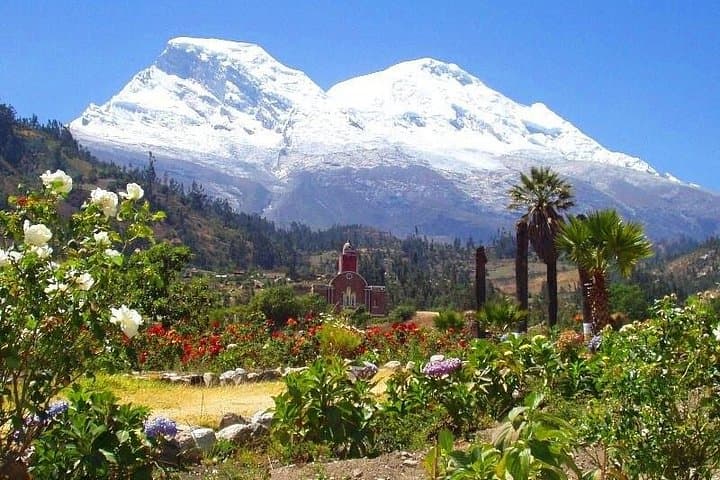
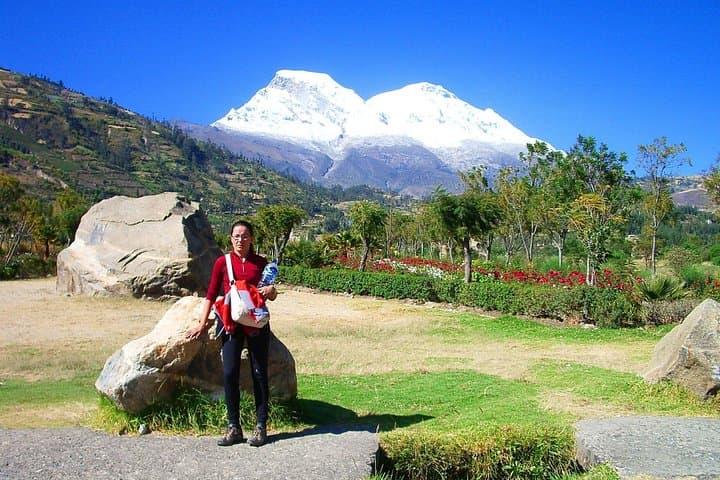
This is the Callejón de Huaylas, carved by glacial action and rivers that have shaped Ancash for millennia. The route threads through traditional towns — Carhuaz with its colonial square and fruit gelato, the Campo Santo at Yungay where the 1970 avalanche from Huascarán flattened a city — and into Huascarán National Park, a protected landscape of high-Andean wetlands, moraines and fragile grasslands.
Visitors will see local craft stalls in Tarica, Andean stonework, and traces of Quechua culture in market offerings. Geologically the basin is a textbook glacial cirque; cirque walls and U-shaped valleys tell of ice that retreated only centuries ago, leaving polished bedrock and moraine ridges.
Practically: this is a full-day shared tour from Huaraz (about 1–1.5 hours each way). Expect paved and gravel roads, short lakeside walks, and high-altitude exposure — even easy itineraries demand acclimatization. Pack layered outerwear, sun protection, sturdy shoes, and water. National park fees and transport are typically included; mornings deliver the clearest light on the lakes and calmer winds. Take time at viewpoints, be respectful of memorial sites in Yungay, and leave no trace on fragile puna grasslands.
easy.
10 hours.
Suitable for most fitness levels but requires basic mobility for short walks and ability to tolerate high altitude (3,850 m).
Yes — Chinancocha sits around 3,850 m; acclimatize in Huaraz for 24–48 hours, stay hydrated, avoid alcohol, and inform your guide of any symptoms.
Most organized tours include National Park entrance fees, but confirm at booking; bring small cash just in case.
Walks are short and optional — plan for 20–60 minutes on easy, sometimes uneven trails around viewpoints.
Tours usually stop in Carhuaz for a short break where local snacks and ice cream are available; bring snacks if you have dietary restrictions.
The area is part of Huascarán National Park; the nearby town of Yungay was destroyed in the 1970 avalanche from Huascarán in 1970, and the Campo Santo memorial marks that event.
Huascarán National Park protects fragile puna ecosystems and glaciers; stick to trails, pack out waste, and support local guides to benefit community stewardship.
Scheler Artizon Trek operates guided outdoor trips and adventures with an emphasis on safety, stewardship, and memorable experiences.
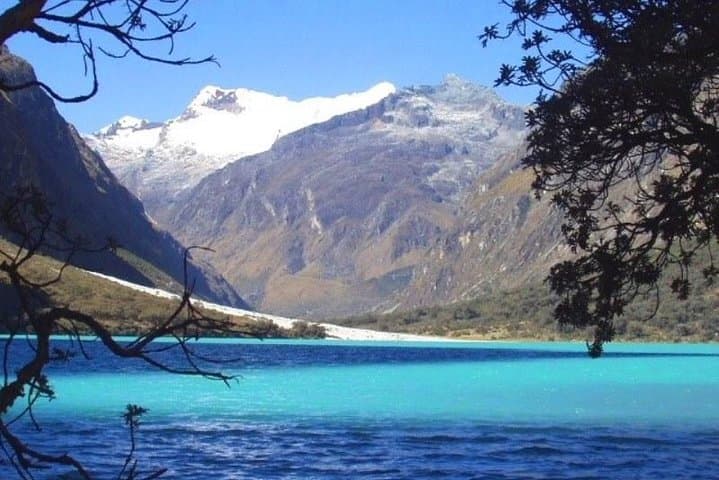
A low diesel bus rounds a switchback and the valley opens: a pair of ice-blue lakes sits below serrated peaks, Huascarán and Huandoy towering like folded stone above. The guide steps down for a brisk walk on gravel paths that skirt Chinancocha (Llanganuco Lake) at about 3,850 m, the water reflecting snowbands and the flicker of wind-driven ripples.
A low diesel bus rounds a switchback and the valley opens: a pair of ice-blue lakes sits below serrated peaks, Huascarán and Huandoy towering like folded stone above. The guide steps down for a brisk walk on gravel paths that skirt Chinancocha (Llanganuco Lake) at about 3,850 m, the water reflecting snowbands and the flicker of wind-driven ripples.
This is the Callejón de Huaylas, carved by glacial action and rivers that have shaped Ancash for millennia. The route threads through traditional towns — Carhuaz with its colonial square and fruit gelato, the Campo Santo at Yungay where the 1970 avalanche from Huascarán flattened a city — and into Huascarán National Park, a protected landscape of high-Andean wetlands, moraines and fragile grasslands.
Visitors will see local craft stalls in Tarica, Andean stonework, and traces of Quechua culture in market offerings. Geologically the basin is a textbook glacial cirque; cirque walls and U-shaped valleys tell of ice that retreated only centuries ago, leaving polished bedrock and moraine ridges.
Practically: this is a full-day shared tour from Huaraz (about 1–1.5 hours each way). Expect paved and gravel roads, short lakeside walks, and high-altitude exposure — even easy itineraries demand acclimatization. Pack layered outerwear, sun protection, sturdy shoes, and water. National park fees and transport are typically included; mornings deliver the clearest light on the lakes and calmer winds. Take time at viewpoints, be respectful of memorial sites in Yungay, and leave no trace on fragile puna grasslands.